

I knew the call would come, like the expectation of a winter storm.
My oncologist forecasted that my body would eventually build up a resistance to my medication for chronic myeloid leukemia (CML) after going off of it 3 times to have 3 miracle babies.
That dreaded call came the day after Christmas in the middle of a family movie. The nurse dictated dates for blood tests and biopsies. It was clear as I fumbled for a pen while running out of the darkened theatre that she didn’t care which dates worked for my grad school class schedule, my teaching hours, or my family life.
Bottom line, I needed to rewrite my priority list—ASAP!
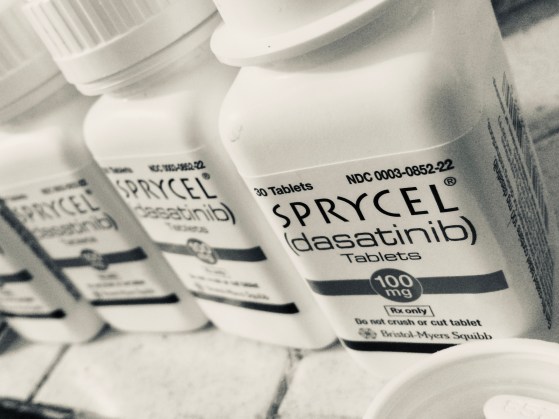
I was thankful for a short commute between hospital and university in the heart of Detroit. I naively thought I could change medications and not skip a beat in class. I didn’t account for the unexpected toxicities of Sprycel, my new miracle medication. It was super effective in treating cancer. But my fatigued body could barely make it through a day.
5 Steps of Energy Budgeting
I know what it’s like to live on a tight financial budget. I’ve been stretching dollars for decades. Taking Sprycel syphoned off a significant portion of my energy each day. It was clear that I drastically needed to rebalance my energy budget to account for success within my new limitations of fatigue.
1. Set Goals
Set clear, attainable goals. Identify the most important places to spend limited resources of energy. For me it was: Finish grad school. Aspire to excellence—as a mom, wife and student. As I pushed forward with my Master’s degree, I became a goal-setting master.
2. Prioritize
Show up wholeheartedly
Decide the most important ways to expend mental, emotional and spiritual energy, and then let go of the other stuff.
If I aspired to excellence as a mom, wife, and graduate student, I couldn’t also be an excellent teacher. I quit my teaching job, and we creatively rebalanced an even tighter financial budget.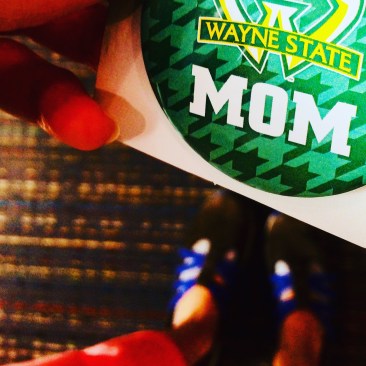
3. Eliminate Excess
Identify and get rid of unnecessary energy drains. It’s like knowing you’re going to shipwreck if you don’t throw stuff overboard. Learn to say “NO” to superfluous obligations and to excess noise in your head.
Nursing a grudge or second-guessing good decisions were luxuries I couldn’t afford. Instead, I learned the energy-rejuvenating power of clear thinking cultivated by a rhythm of rest, walks, and intimate times in prayer.
4. Show Up Wholeheartedly
Once goals are set, priorities are clear, and junk has been eliminated, be present in your priorities. Embrace them fully and generously.
It was costly to be a mother of three and a non-traditional, cancer fighting grad student. I wasn’t going to miss any of those prioritized moments. I studied hard. I also learned to set studies aside and wholeheartedly cherish puppy movies with my feverish 4th grader as the privileged place of being a mom.
5. Celebrate Success
Find joy in the things that contribute to success. Setbacks and shortcomings are ingredients for grit when it comes to celebrating achievement.
I regularly thanked my amazing professors. When my worn out body ached, I thanked God for my cozy bed as I crawled into it. I cried tears of gratefulness as my husband picked up my slack at home.
When I finally finished graduate school, debt free, after 5 ½ years, celebrations of success were the sweetest.
I learned to thank God for my miracle medication.
It keeps my body cancer-free. It has afforded me peace of mind, power in weakness, freedom in limitations, and grace in weariness. I have learned to live more lightly and freely as I regularly surrender all my priorities to my highest priority of all—loving God with all my heart, soul, mind, and strength.

This article was published in a series of articles for the Yemeni American News, September, 2019, p. 10:
Georgia Coats is a Language & Culture Learning Coach, freelance writer, educator, wife, and mother of three who is passionate about healthy mind-body-spirit living. Chronic Hope is Georgia’s collection of stories, lessons, and life adventures of living alongside chronic leukemia, cancer of the white blood cells, for two decades. She often shares what’s on her mind at: www.onmymindbygeorgia.wordpress.com


 This article was published as the second in a series of articles for the
  On My Mind