
“How dare you be so irresponsible with your wife’s health? Don’t you understand the risks you’re putting her through by getting her pregnant in her condition?”
I watched my husband’s face change from shock to anger as the nurse unleashed her stern lecture on him.
Five years into marriage and four years into my cancer diagnosis, I was nearing my 30th birthday. We had given up on making long-term life goals. I let go of the dream of living abroad for language and cultural studies, and I quit graduate school.
But the dream of being a mom got stronger.
My super-effective miracle medication for chronic myeloid leukemia (CML) extended both my quality and quantity of life. Aside from 3-month check ups, an annual bone marrow biopsy, and my daily meds, I lived a normal life. But normal life made me hope for normal things, like a family of my own.
Truth: In this world we all face struggles.
My doctor was STUBBORNLY clear: pregnancy was out of the question. It was too risky to subject a fetus to the potentially hazardous effects of my miracle meds. And it was too risky for me to go off my miracle meds for any reason.
After multiple heart-wrenching conversations, desperate prayers, and seeking counsel from others who had faced life’s storms and held on to hope, my husband and I felt like it was risky NOT to start a family.
Two significant things happened:
- We learned that we must calculate our risk and take the first step into the storm; and expect God’s reassuring presence to show up along the way.
- My stubborn doctor left. His replacement was willing to treat me as a whole person, instead of just treating my disease. We needed someone to champion for the fullness of life.
Hope is a function of struggle.
 “Hope is a function of struggle,” affirms Brené Brown, author of Daring Greatly: How the Courage to be Vulnerable Transforms the Way We Live, Love, Parent & Lead.
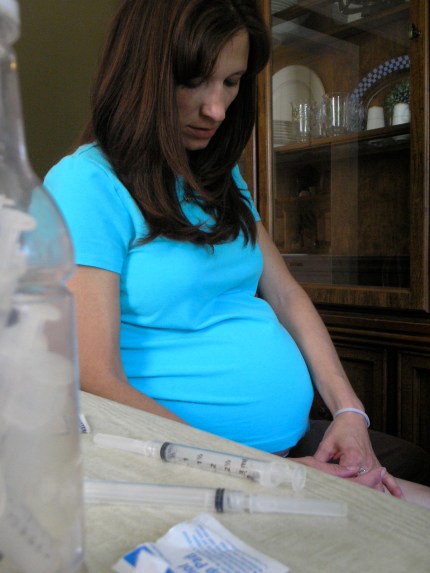
Eighteen months of chemotherapy injections were considered “safe” for growing three wondrous new lives, but they left me feverish and weak. As I lay limp on the couch, I regularly recalculated our risk.
Giving up a safe miserable life without big dreams, for the opportunity to cultivate new life, changed something in me forever. Ultimately, wherever beauty and life-giving possibilities exist, they are worth the pursuit.
Brené Brown reminds us that, “the willingness to show up changes us. It makes us a little braver each time.”
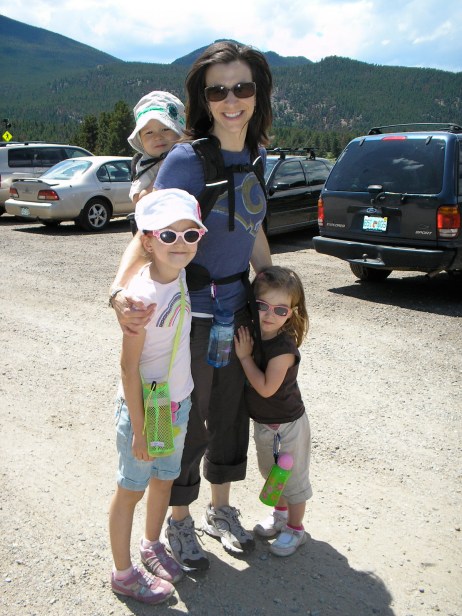 My desire to be a mom dared me to set 9-month goals. Three times. That led me to reconsider the daunting goal of graduate school to become a Language and Culture Learning Coach—this time as a non-traditional, cancer-fighting, mother of three.
Chronic struggles forged profound hope that pushed me higher and deeper in mind, body, and spiritual potential. And, in setting an example for my miracle children to live courageous lives.
The ongoing challenge is to keep hands open while living courageously—to never close in on the great gifts of life we’ve been given. I’ve been given 20 years to cultivate chronic hope. 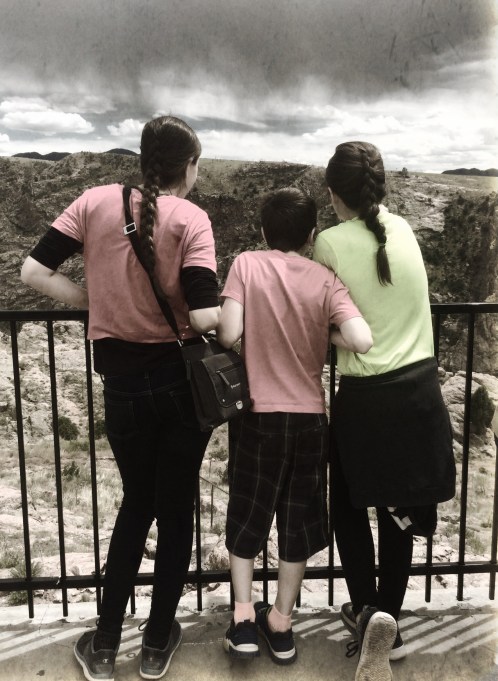 I find myself in a privileged place to champion others. My heart is for those who face war, leave home, and migrate across cultural and linguistic barriers in search of the fullness of what life can be. To these souls I hold out small offerings with open hands.
What are your dreams, forged in struggle?
Who are your champions?
What are the little offerings in your hands?
This article was published in a series of articles for the Yemeni American News, August, 2019:
Georgia Coats is a Language & Culture Learning Coach, freelance writer, educator, wife, and mother of three who is passionate about healthy mind-body-spirit living. Chronic Hope is Georgia’s collection of stories, lessons, and life adventures of living alongside chronic leukemia, cancer of the white blood cells, for two decades. She often shares what’s on her mind at: www.onmymindbygeorgia.wordpress.com

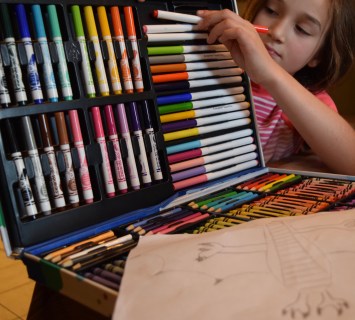 For her 9th birthday, Ella received an incredible Inspiration Case. It has every color in various forms to create unlimited possibilities. It’s where the tools meet the paper to draw out anything her imagination can fathom. Language is my inspiration case. I get giddy over the possibilities of punctuation or the playing on of words. It’s the place where form and meaning come together to express profundity.
 On My Mind