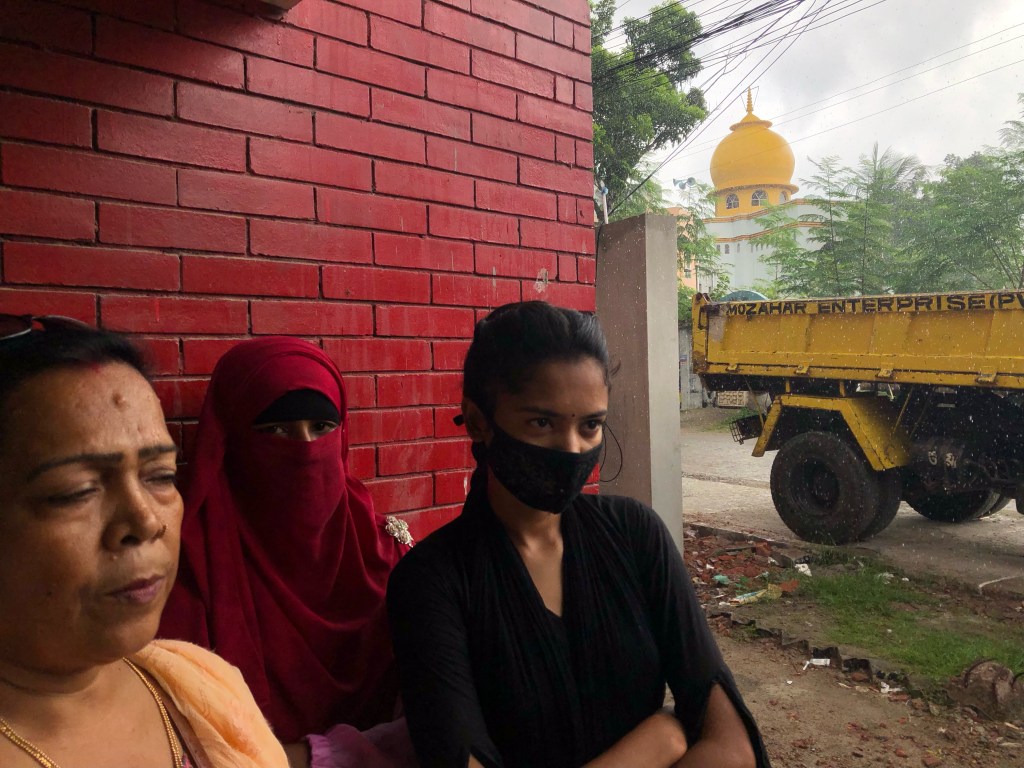
I weave stories in my field as a Language & Culture Empowerment Specialist—a learner, a teacher, and a seeker of hidden treasures in Diaspora spaces…
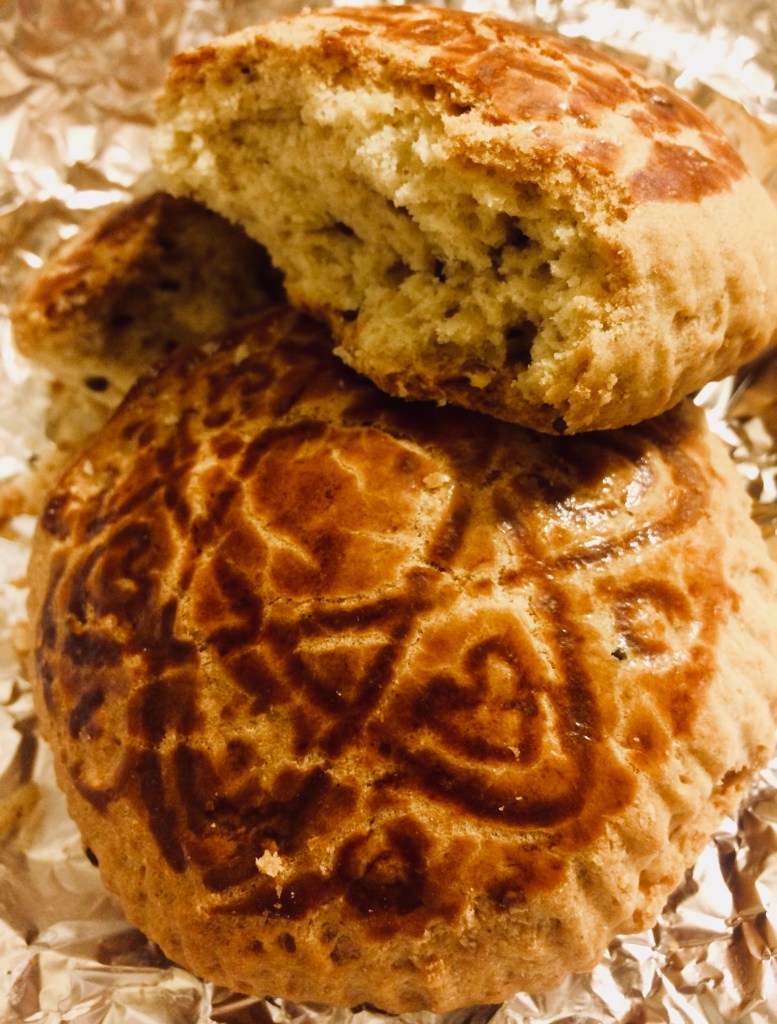
How to consume my words: They pair well with a comfort beverage and a reflective space. They are crafted with wholesome, layered complexity, freshly selected thoughtfulness, signature & rhythmic repetitions, punctuated with a unique blend of precious perspective found in diverse and often marginalized corners of the globe and of human hearts. Each ingredient is prayed through, wrestled with, & marinated in the life-giving words of Jesus. Not to say I always get it right. I have definitely ruined a few recipes along the way—over seasoned, over cooked, too dry, too sappy.
My Greek-rootedness has taught me to love nuance and embrace implicitly. I live among multilingual language learners, educators and linguists, but find joy in playing with and playing on words. I respect lists and laws but express myself in parables and poetry. In my mind I’m painting pictures worth about 1000+ words. Polysemy is a fabulous Greek word that invites multiple possible meanings. It’s a blend of intentional wordplay to create open and personalized interpretations—to come away from my reflections with your own challenges, questions, thoughts and aspirations—to taste for yourself what is simmering.
I aspire to ethically sourced storytelling, marbled with brave, vulnerable introspection…
My relational connections are a profoundly significant part of my life. As a beloved friend, daughter, mother, teacher, mentor, wife, neighbor…I seek to honor the bold and distinct flavors others bring into my life. I prayerfully invite the people who have inspired my stories to get a taste of them first—and receive their feedback. In an effort to honor the impact of others and not to tell their stories without invitation, I write introspectively and share vulnerably.
I am scattered…
I am privileged to have my hands in many pots filled with deliciously diverse delicacies. I embrace scattered as a defining characteristic of living in diaspora—from the Greek—those who are scattered from their homeland. I find clarity and satisfaction when I simmer my curiosities, empathies, studies, & unique cultural experiences, and serve them in written form. My writing gathers the scattered parts into sense and meaning.
I am faith-based…
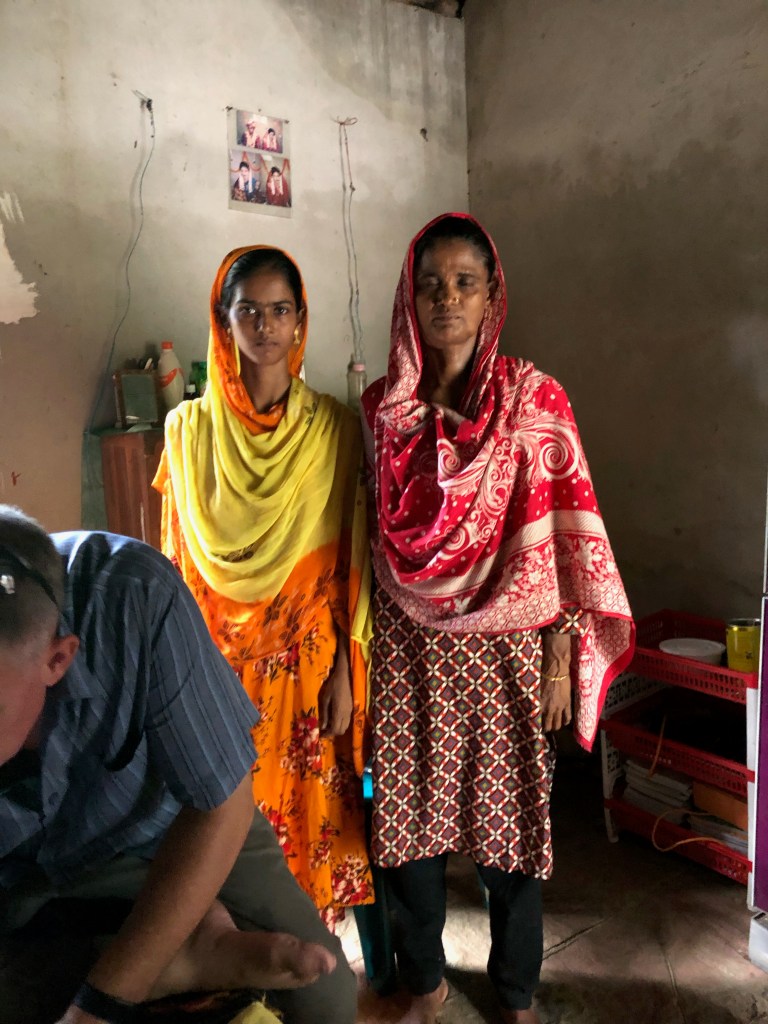
My faith has led to flourishing and compelled me on magnificent and tragic adventures I have lovingly and courageously followed my good, good Father into. To express the deep things of the soul at a base level always contains elements of faith stirred in. I live and love in diverse contexts, and I love because God first loved me.
I am not thick-skinned…
I am wired to be receptive and perceptive to linguistic patterns, human hearts, and cultural expressions. Attention to detail requires heightened sensitivities—noticing people and rhythms and hidden treasures that could easily get overlooked.
I flourish when I walk in my strengths of empathy and connectedness…
Like stillness and a steeping cup of tea—daily walks are a prayerful ritual for me to make sacred connections. Much of what I take in around me percolates and eventually spills out of these regular rhythms as I continue to figure out my blend of storytelling that truthfully reflects the joys and sorrows my heart has carried.
Not all who wander are lost—but I probably am…
I’m gifted more with metaphors than with maps. I don’t stay in my lane, because I’m buzzing from flower to glorious flower. I’m often lost in thought or following rabbits down little trails while chewing on connected ideas. I go out of my way to collect rocks from the places I’ve traversed in solidarity with the people I’ve shared meals and stories with there. As I wander, I’m simultaneously pondering the moral of the children’s story of Stone Soup and wondering how my global rock collection connects to what it means to inherit the earth as Jesus said—maybe it’s one treasured stone at a time.
I continually feed live, active cultures of chronic hope…
I live in the brokenness of my body and the brokenness of this world while clinging to the promise that the fullness of life is available for all people. In this tension, resilience is activated, yielding a leaven of hope, ultimately rising to freshly baked bread—intended to be broken and shared in community.
I embrace health-nuttiness and a small spoon….
I don’t need to take up more space than I do. My sweet spot involves nutrient-dense, small portions of something deliciously inviting and often spontaneous—which is why I treasure the small spoon I carry with me. Chronically living with leukemia has freed me up to embrace both my health-nut tendencies and a lean budget, while seeking out culinary adventures among neighbors, and in community. It’s often over meals that neighbors become friends and community becomes family—when we share a part of ourselves.
I serve generous portions…
Through unsuccessfully aspiring to succinctness, I am learning not to let word counts be my definitive limitation. I am the only one with my unique perspective. So, I invite you to savor my signature blend of detail like a delicately and expertly prepared dish made for you to taste and share. I pray that it may satisfy the souls of those who choose to break bread with me. You are welcome.
A senior trip. A gathering of global perspectives. An opportunity to lift up other girls in their education…
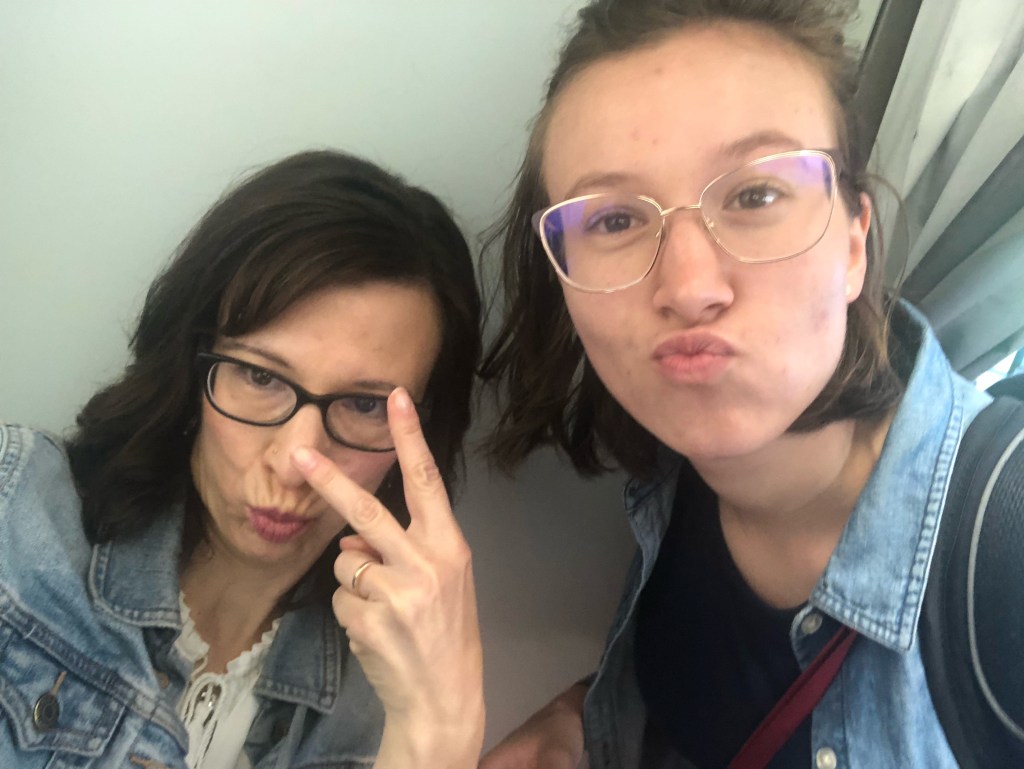
For 20 days in July, my daughter, Zoe, and I had the incredible privilege of traveling to three countries, each with unique language, culture, and learning dynamics. As a Language and Culture Learning Coach, navigating new cultures is my sweet spot. On the other hand, navigating the physical world is a challenge for me, and getting lost is something I’ve learned to factor into life. This dynamic provided ample opportunity for Zoe and me to problem solve together in new places.
The overall goal of our trip was for Zoe and me to be empowered together through the joys and trials of traveling adventures—before Zoe sets out on her independent college journey. For a girl who lingered in Narnia most of her childhood, and then graduated into Harry Potter’s world, Zoe would have enrolled at Hogwart’s post high school if she could. Instead, she settled on sauntering through Parisian chateaus for her summer between high school and college. Germany was a place to meet incredible world travelers and rub shoulders with their love for language and culture and adventure. Bangladesh was a window into a world so far outside our own–a place where we could encourage the empowerment of others.
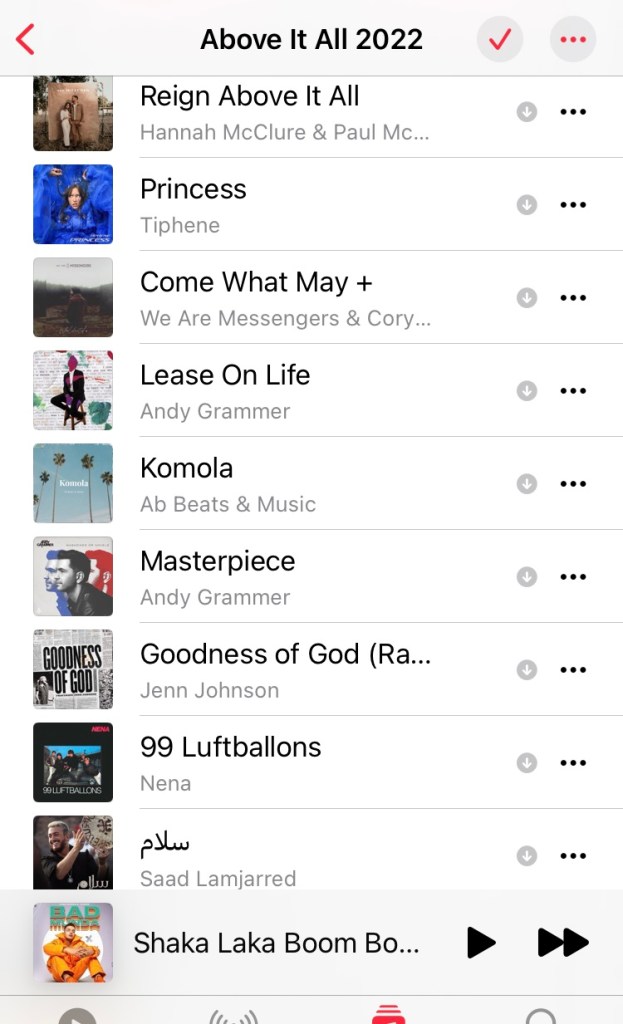
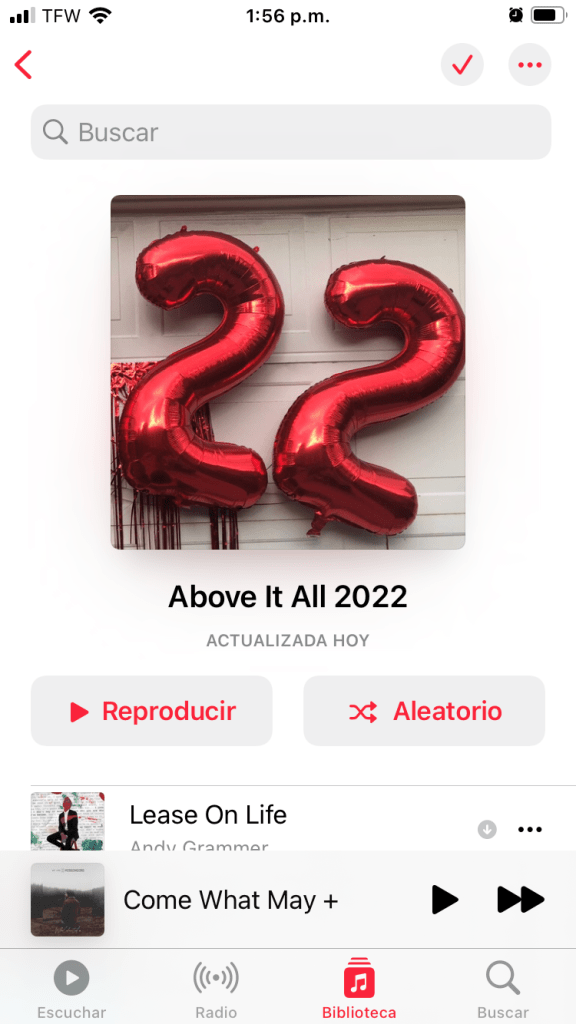
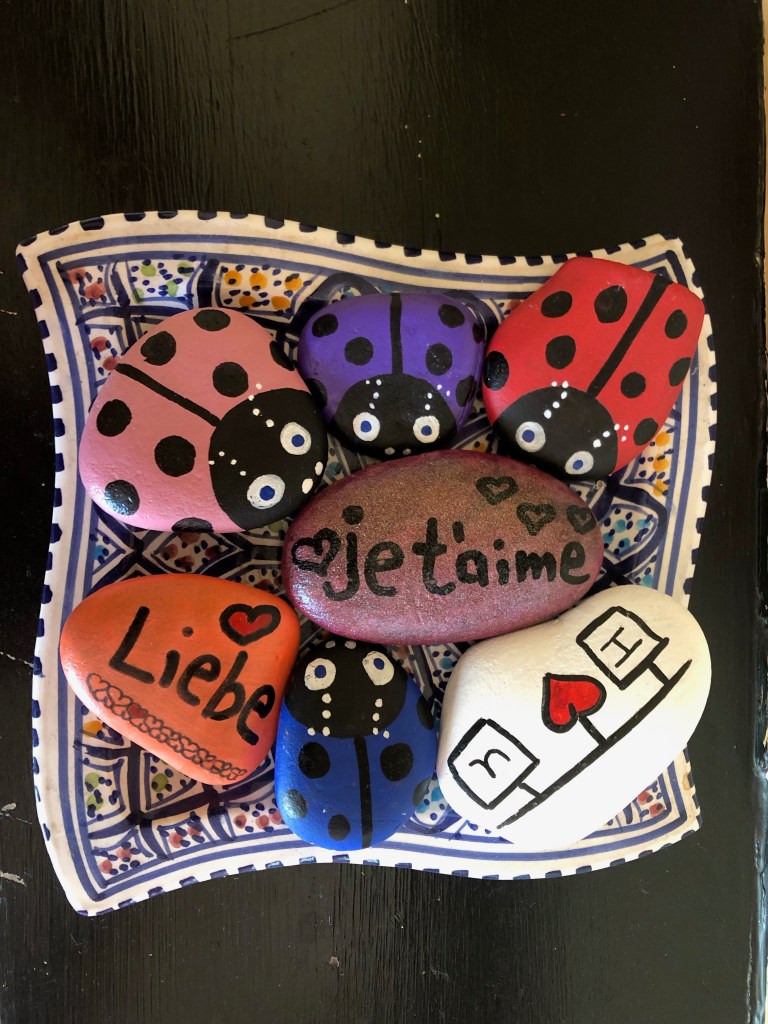
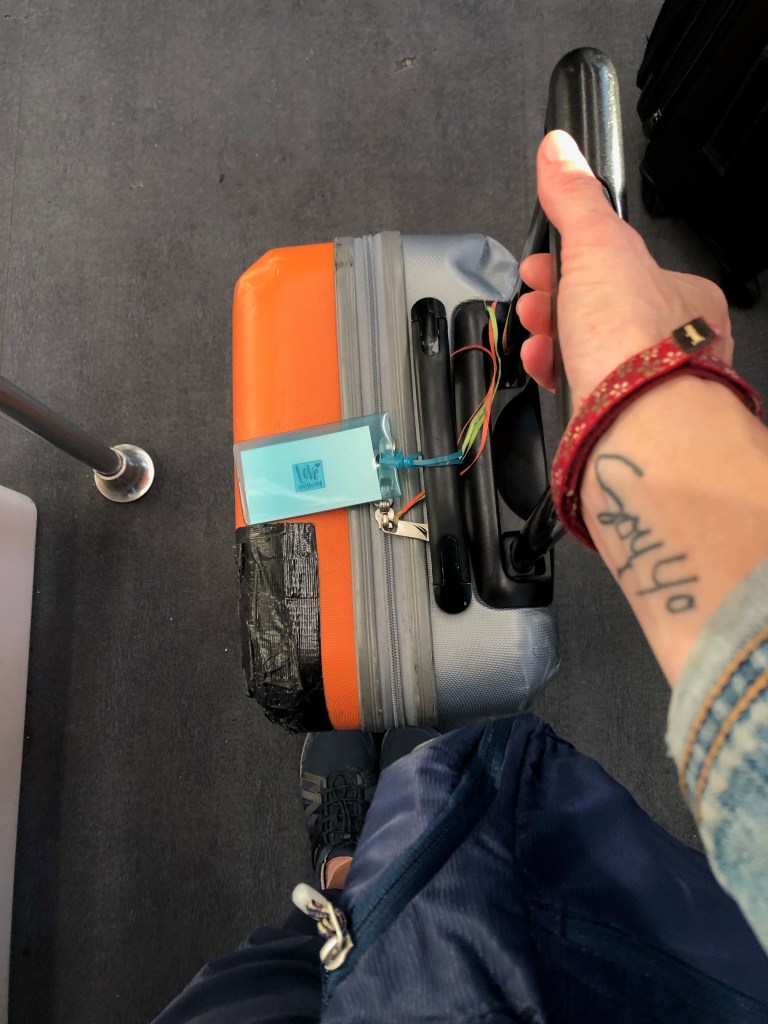
We strategically embarked on our expedition equipped with only a backpack and a carry-on—to avoid losing luggage amidst multiple strikes in various European airports. A few other essentials for our journey included a 2022 multilingual playlist and 3 painted rocks…
July 4, 2022:
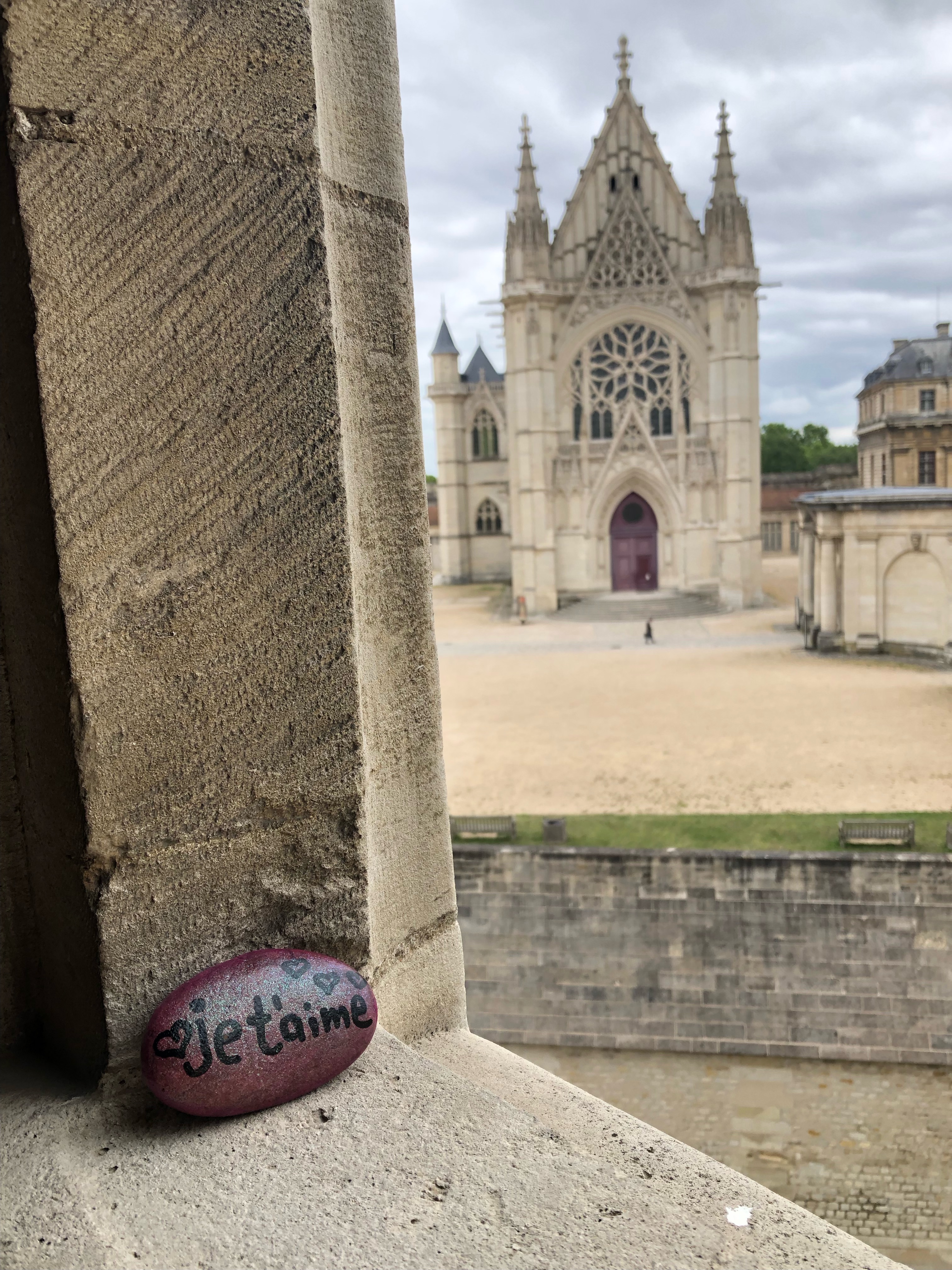
In the security line at the Denver airport: It turns out, if you travel with multiple painted rocks in your carry-on, your bag WILL get searched. Before we left, we committed to a mini-mission of helping my cousin spread her Colorado rocks around the world—I channeled my inner Amelie as we ventured out to deposit a hand-painted rock in each of our three destinations.
July 5:
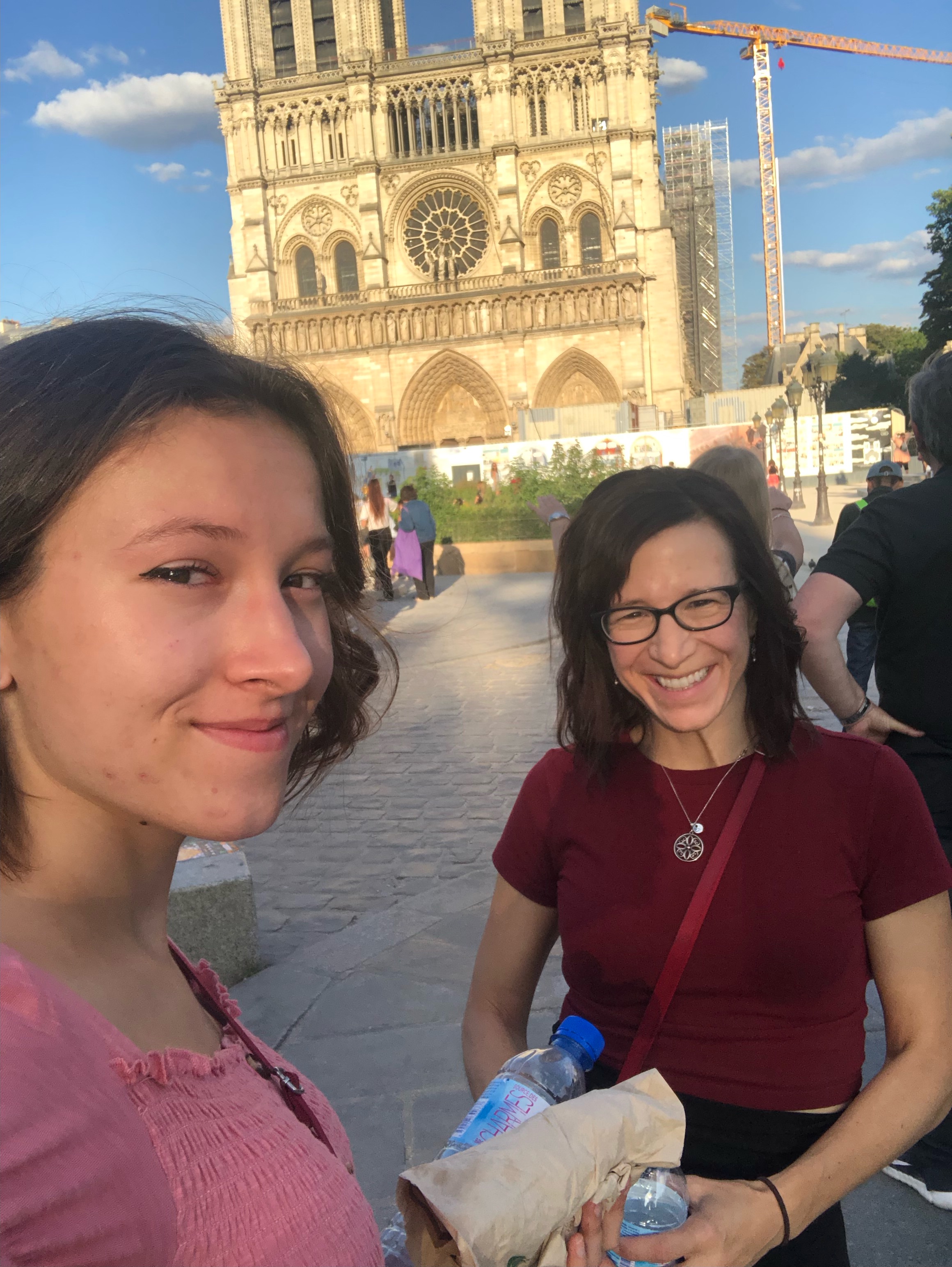
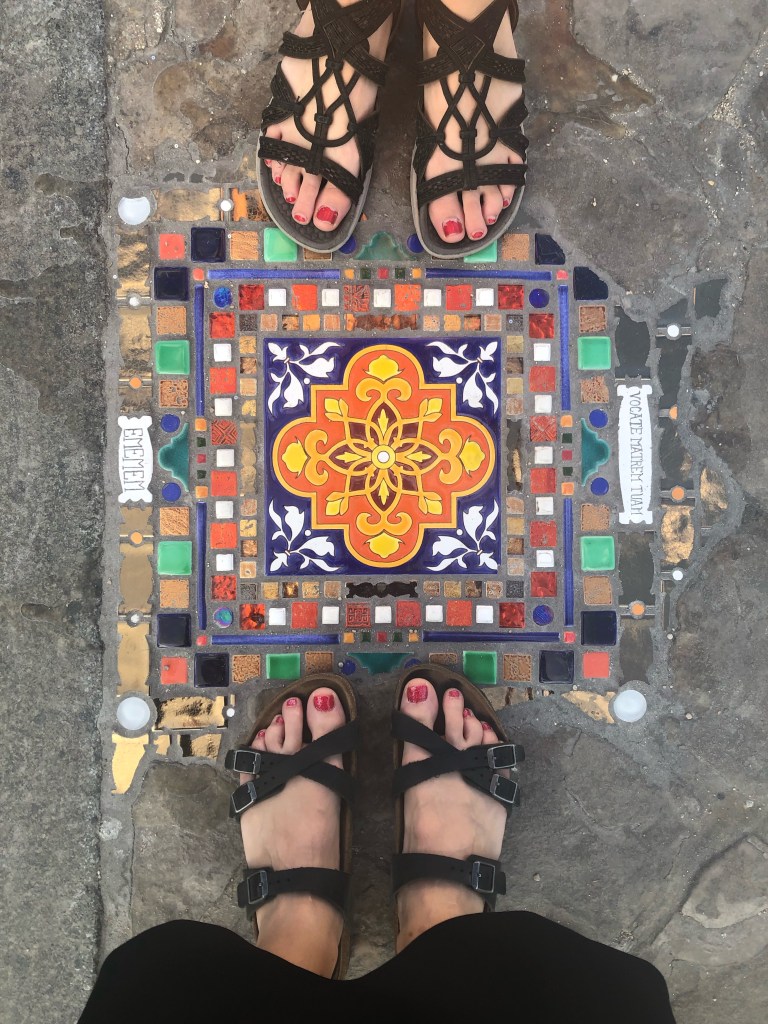
We landed in Paris and successfully navigated our way to our hotel. We enjoyed dinner and an evening walk… by the river, past the cathedral, through the medieval gardens.
July 7:
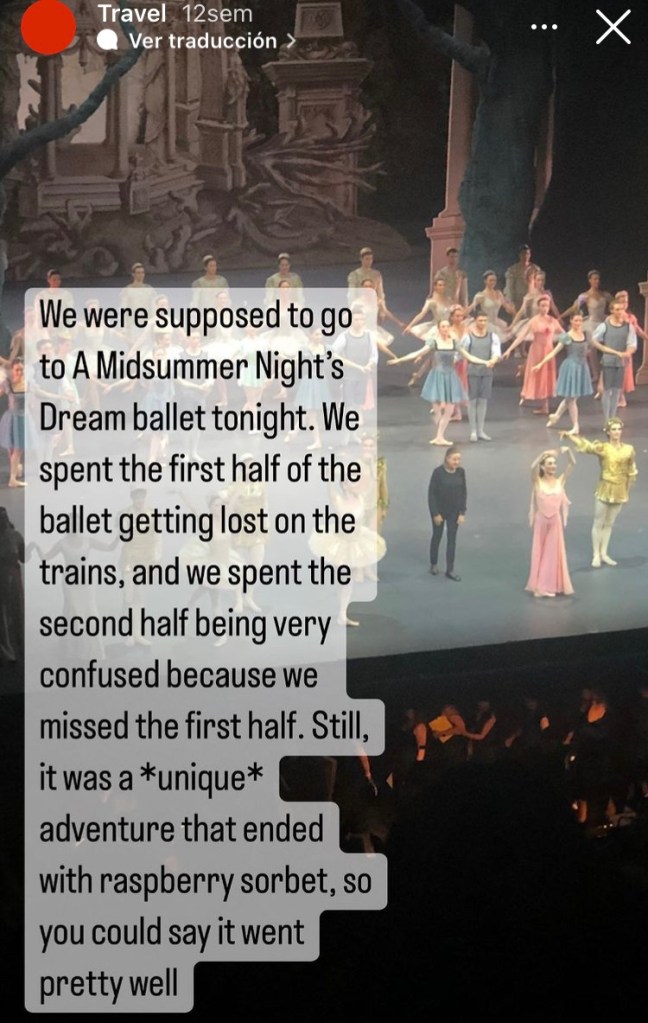
Lessons from today’s excursions in Paris:
Trains take longer than you think they will
Half a ballet is better than no ballet at all
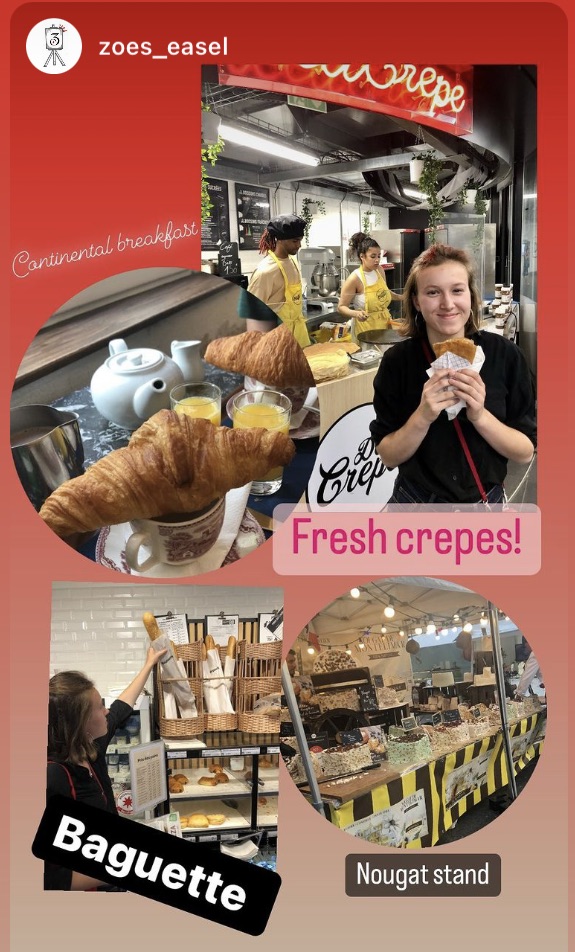
Raspberry sorbet is the perfect Parisian comfort food
Rock #1: We strategically deposited the first Colorado rock in a French castle windowsill. I hope they let it stay there.
July 8:
We learned some essential French vocabulary…
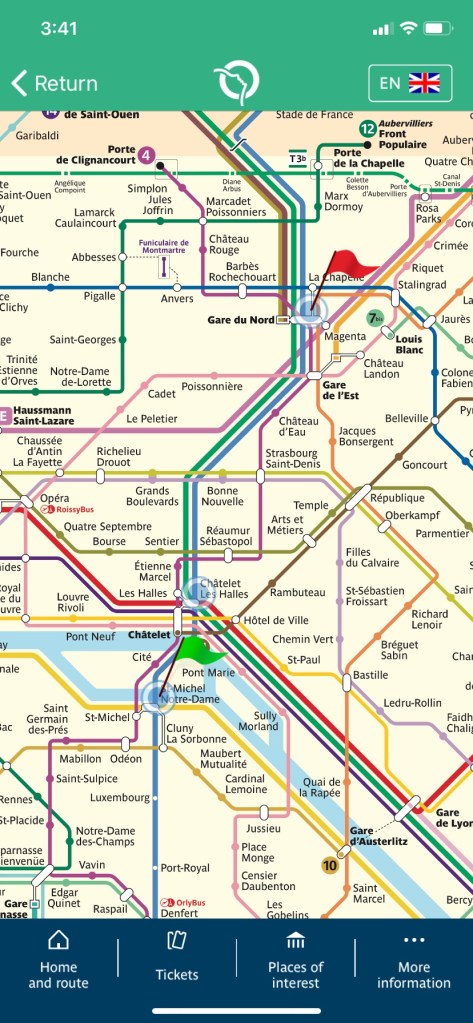
Navigating trains:
Sortie = exit
Gare = station
Navigating treats:
café crème = latte
confiture de framboise = raspberry jam
fromage = cheese
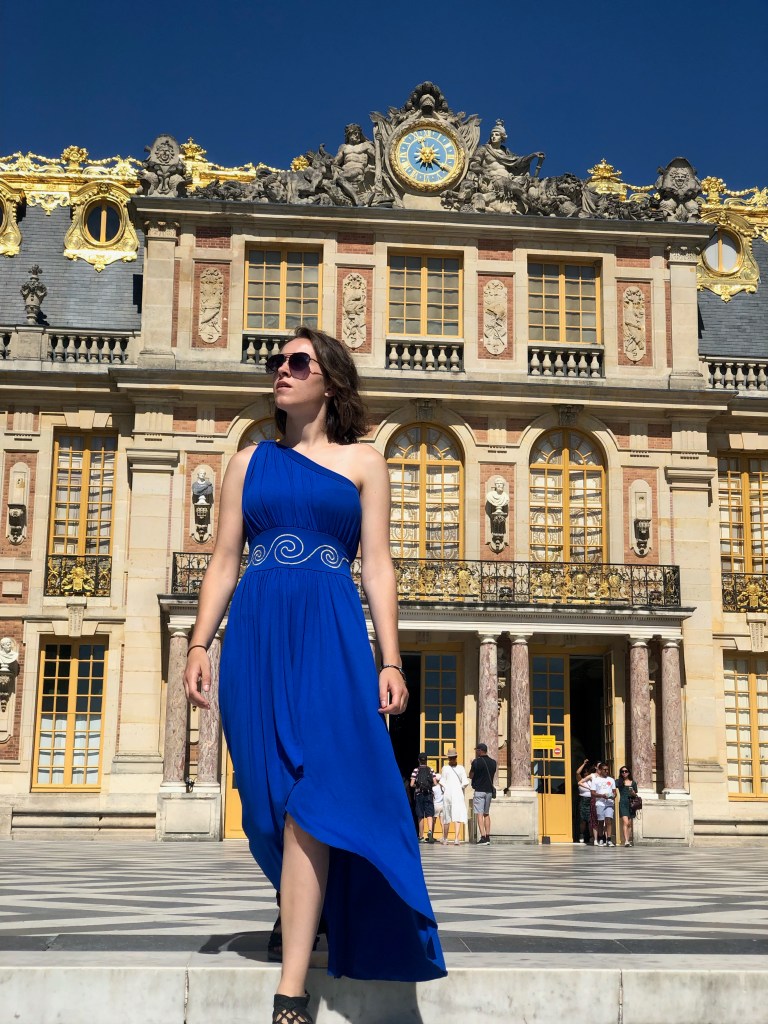
Zoe and I felt so empowered as we navigated the train system together and took in all the fancy palaces, castles, and chateaus Zoe had planned for us to see.
I’m a princеss of 2022… Dancing all night, wеaring vintage dresses
(Princess, Tiphene)
July 9:
Ever since Zoe was 5 years old, she wanted to be in charge of planning parties. My husband, Steve, and I would give her a budget, help her make shopping lists, and work out the details of her vision together. At 18, her goal was a senior trip to Paris—to get castles out of her system before heading off to college. She’s been working, saving, budgeting, and planning for months.
My joy has been to accompany her in realizing her vision…
to learn to navigate new places
to problem-solve the unexpected
to figure things out even when we don’t understand the language, or the way things work
to adapt and enjoy the simple wonders of another culture
And to make amazing memories along the way
NEXT STOP: Germany—via train
July 10:
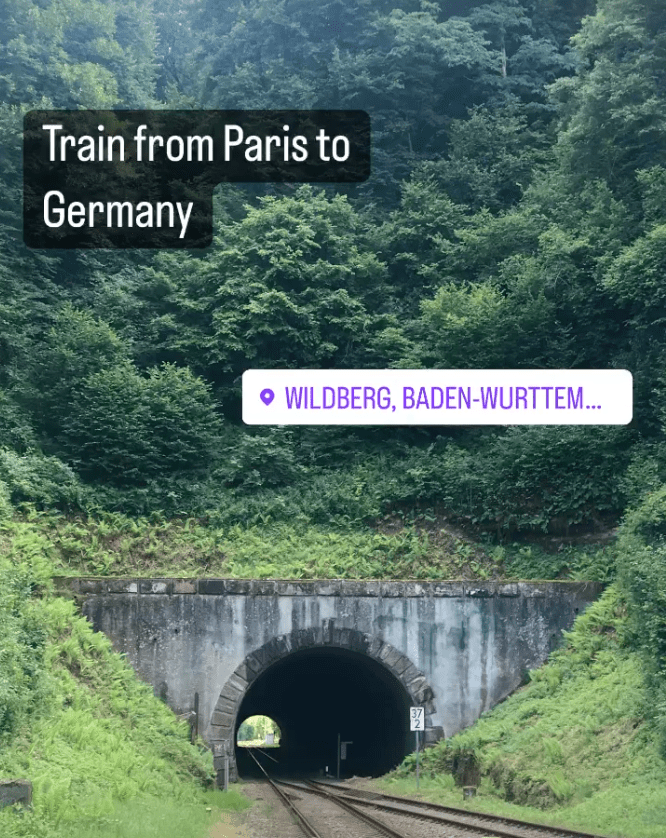
We put our train navigation skills to the ultimate test when we took 6 different trains from Paris to a small German town and met up with Steve and our SIL International colleagues. When my sweet husband met us at the final station, he quickly snatched up our carry-ons and led us to our cozy accommodations. Zoe and I gladly relinquished some of our powerful independence, and received Steve’s loving care for us on this middle stint of our journey.
After settling in, Steve and I enjoyed dinner and an evening walk together… by the river, past the village, through the forest.
July 12:
The Lord is my shepherd, I shall not want;
He makes me lie down in green pastures
The Lord is my shepherd, leads me to still waters. And He restores my soul
(Come What May, We Are Messengers)
July 13:
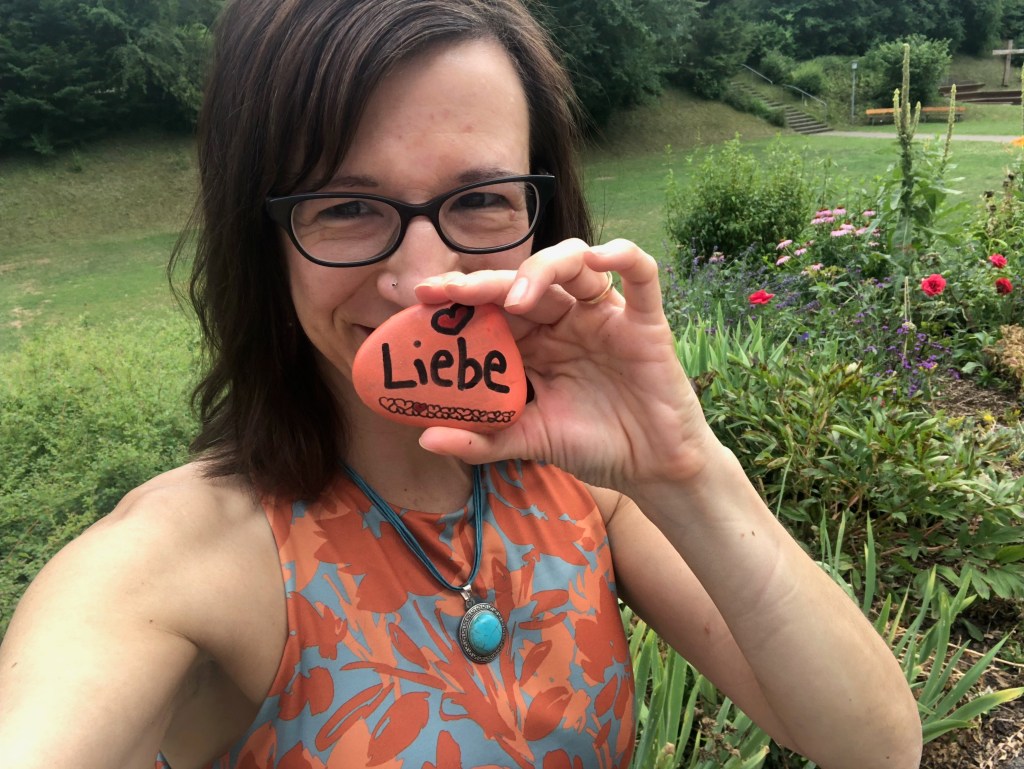
Rock #2: Spreading theLiebe… We delicately deposited our second Colorado rock in a German flower garden at the conference center where we gathered.
July 14:
Steve and I work with incredible, multilingual people of deep faith who live and travel all over the world. It always lifts our hearts to be together. And I’m super grateful Zoe connected with some amazing third culture teens who widen global possibilities and perspectives for her.
NEXT STOP: Zoe and I to Bangladesh.
Steve back home to Colorado. Really hoping for no unexpected overnights in Frankfurt or Istanbul or anywhere else.
Like a sunrise on the longest night,
Like a rescue coming just in time.
Yeah, you save me when I cannot see the light.
(Lease on Life, Andy Grammer)
July 15:
Some first moments in Bangladesh…
Intro to language and culture with Troy Uncle
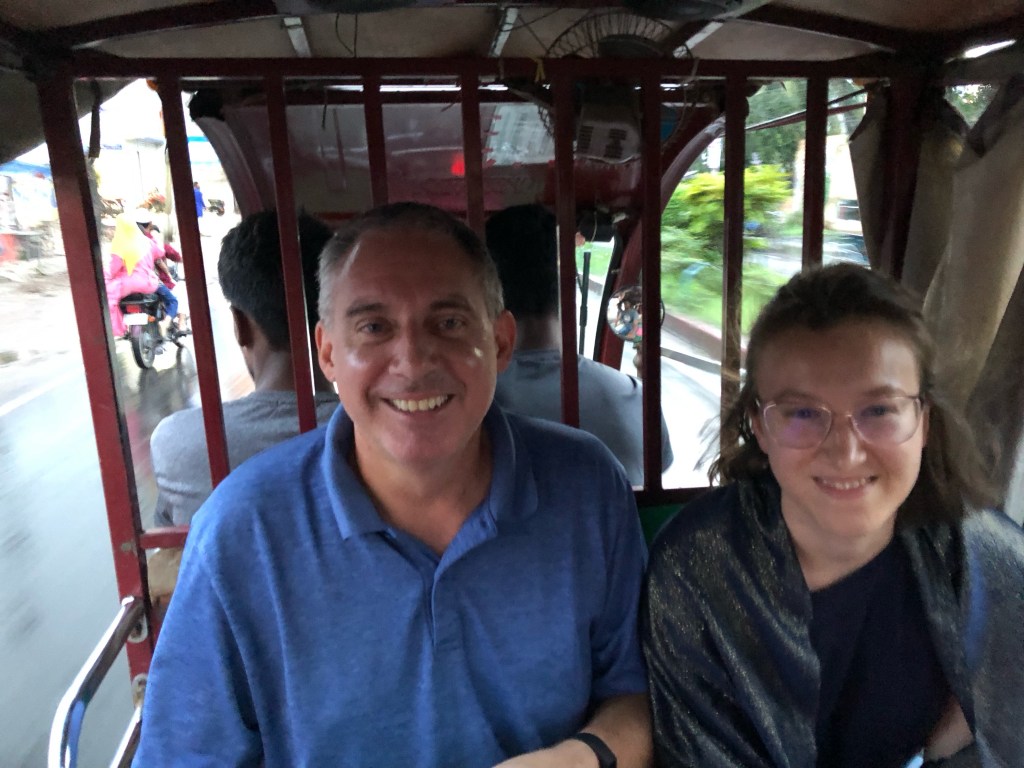
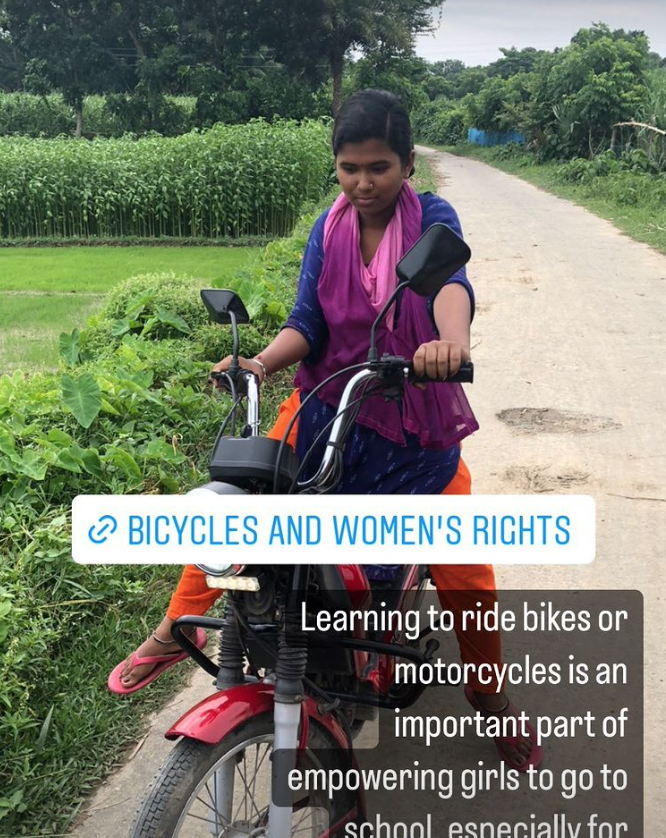
Riding in an easy bike
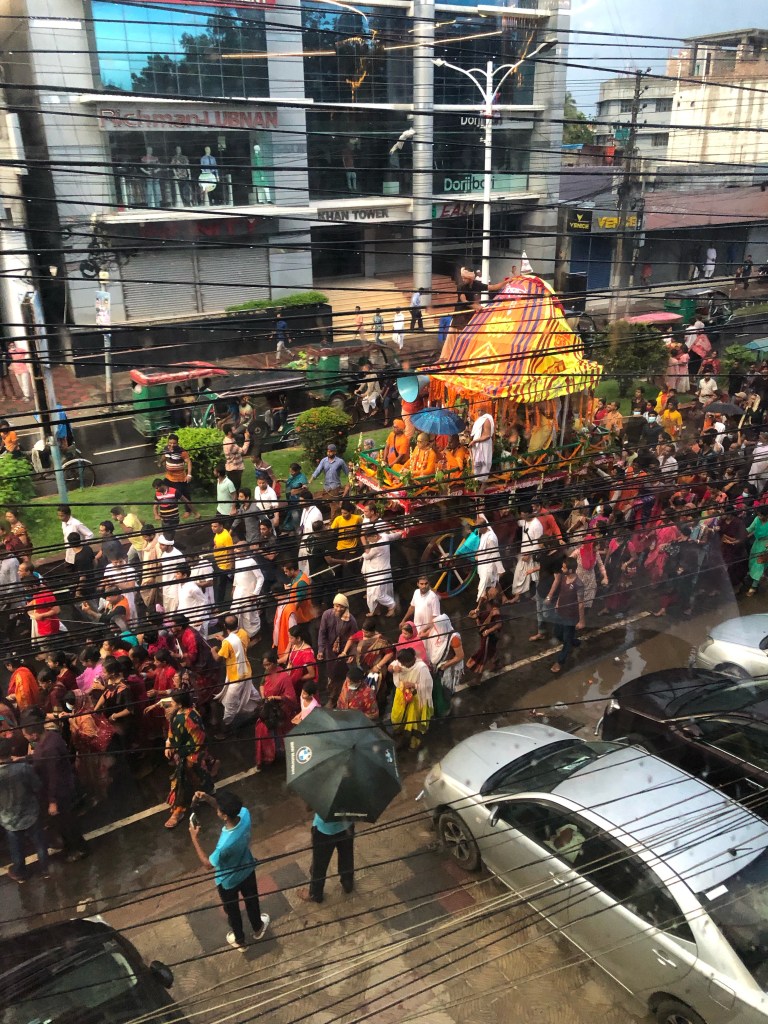
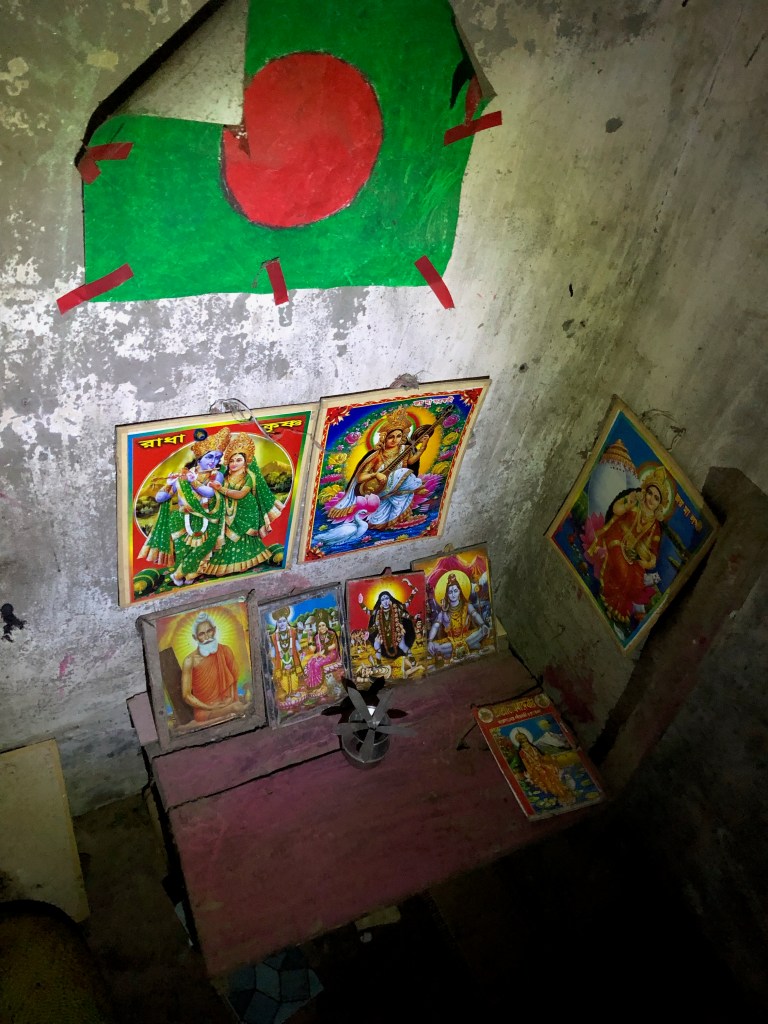
A Hindu festival parade, viewed from our hotel
Islamic call to prayer accompanied by car horns
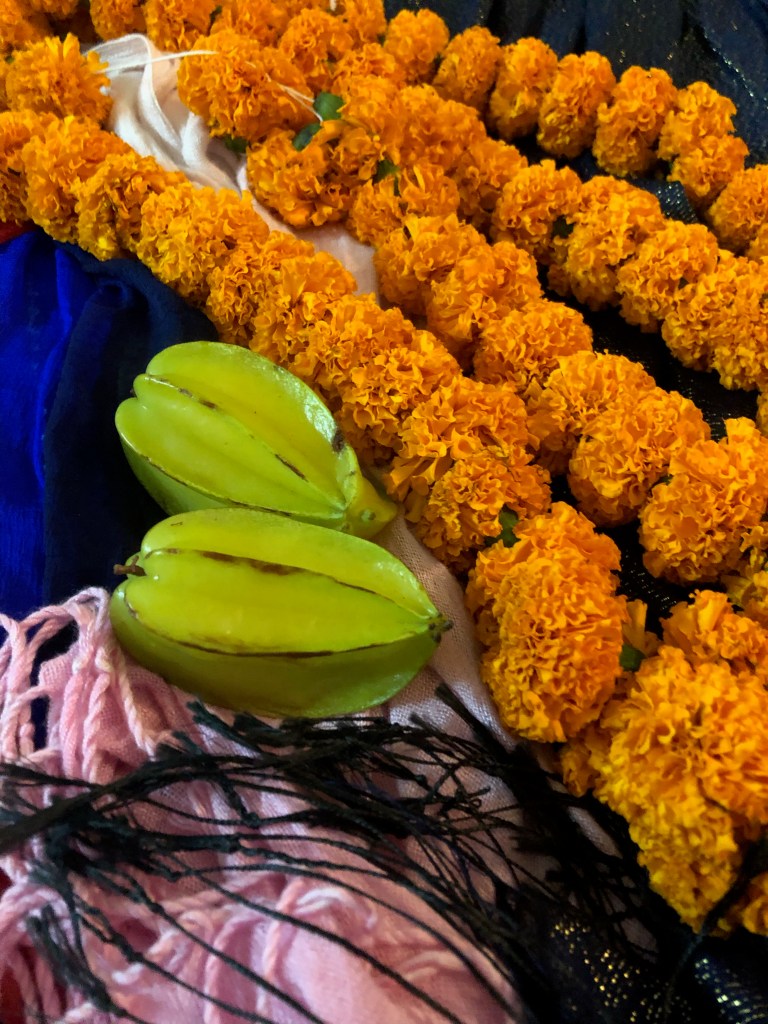
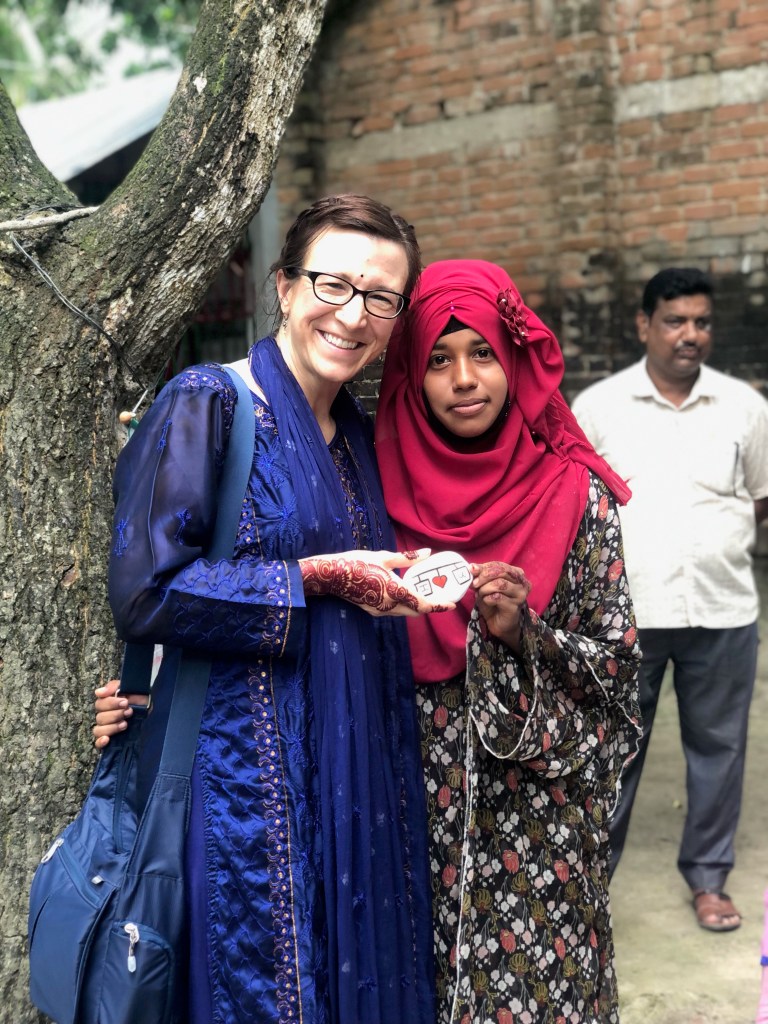
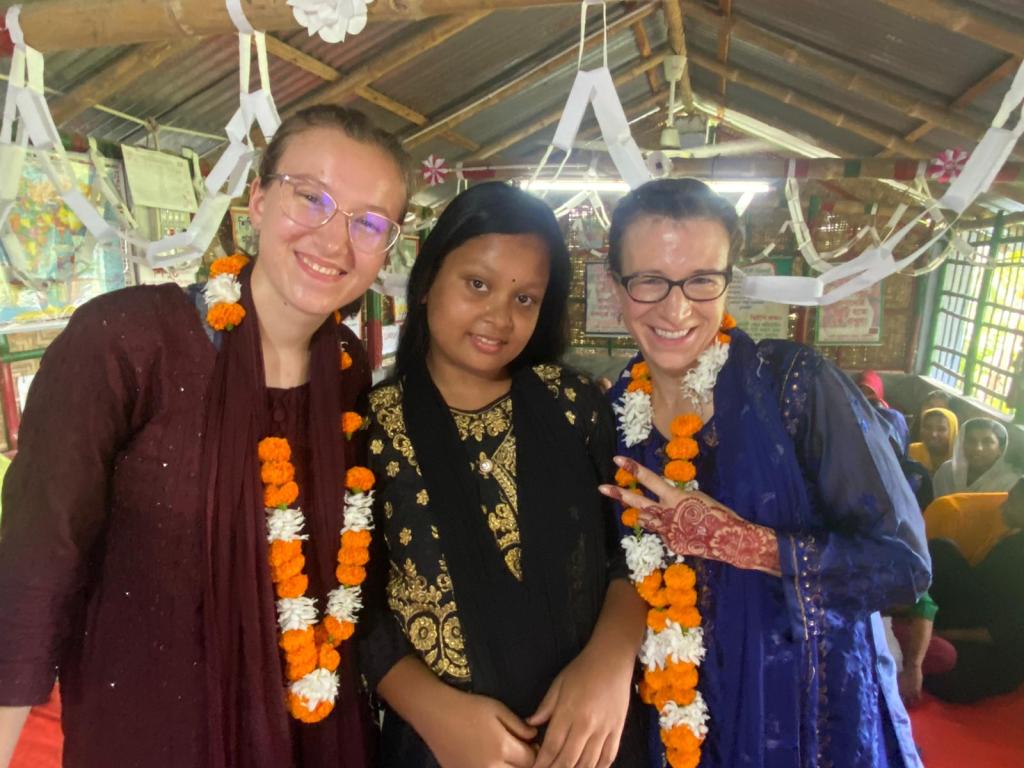
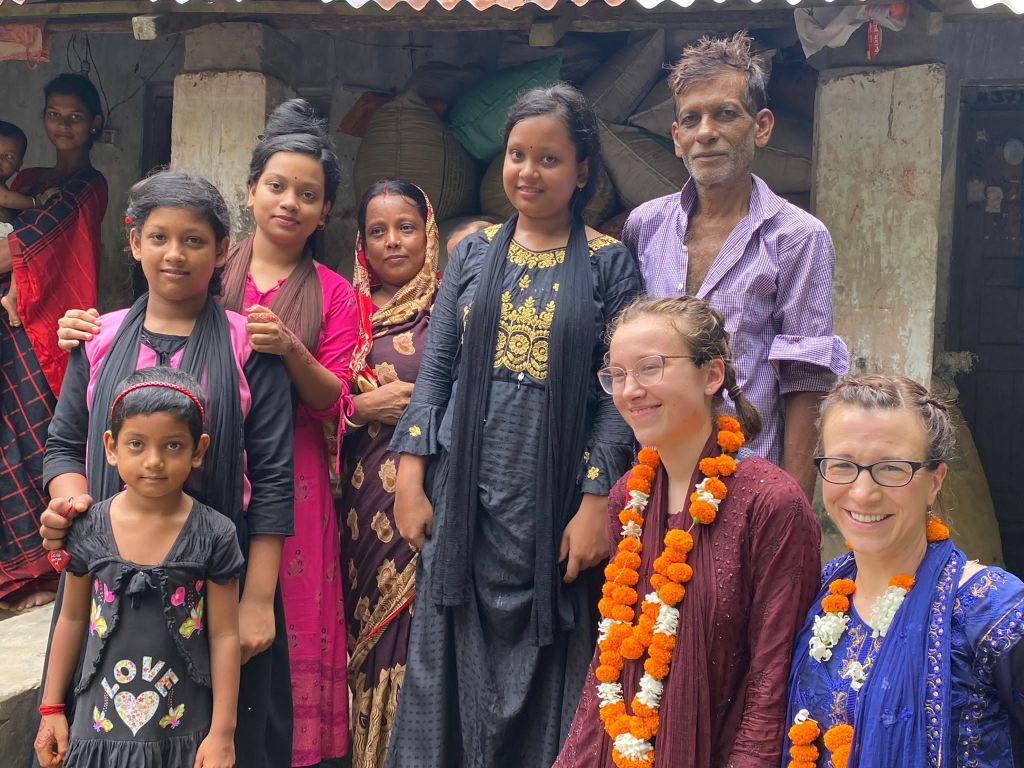
A welcome of marigold leis, star fruit, and colorful scarves from the girls in the Speak Up – Girls Education Program. I can’t believe we get to be here with all these sweet, smiling faces and curious giggles.
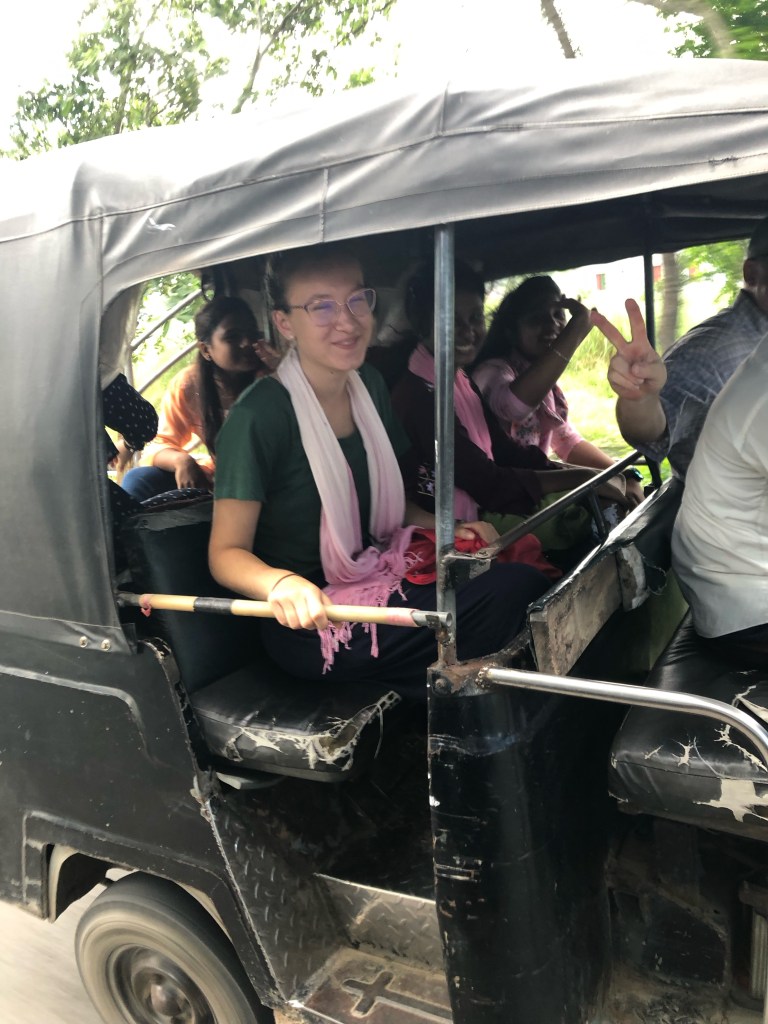
I’m so thankful for safe travels via trains, planes, buses, and easy bikes to get here.
July 16:
Bangladesh is a predominantly Islamic country. The sign in our hotel room points to the direction of Mecca so people know which way to face when they pray. In my mind, facing East and facing Mecca have always been synonymous. It has been a bit disorienting to think of Mecca as west of us here. I’ve never spent this much time east of Mecca.
July 17:
With a background in Romance Languages, decoding French signs was kind of fun. German signs were a little more of a challenge. However, once we arrived in Bangladesh, our decoding skills were of little use. The cultural differences were also striking in so many ways. We felt the opposite of the fierce independence we had honed in Paris.
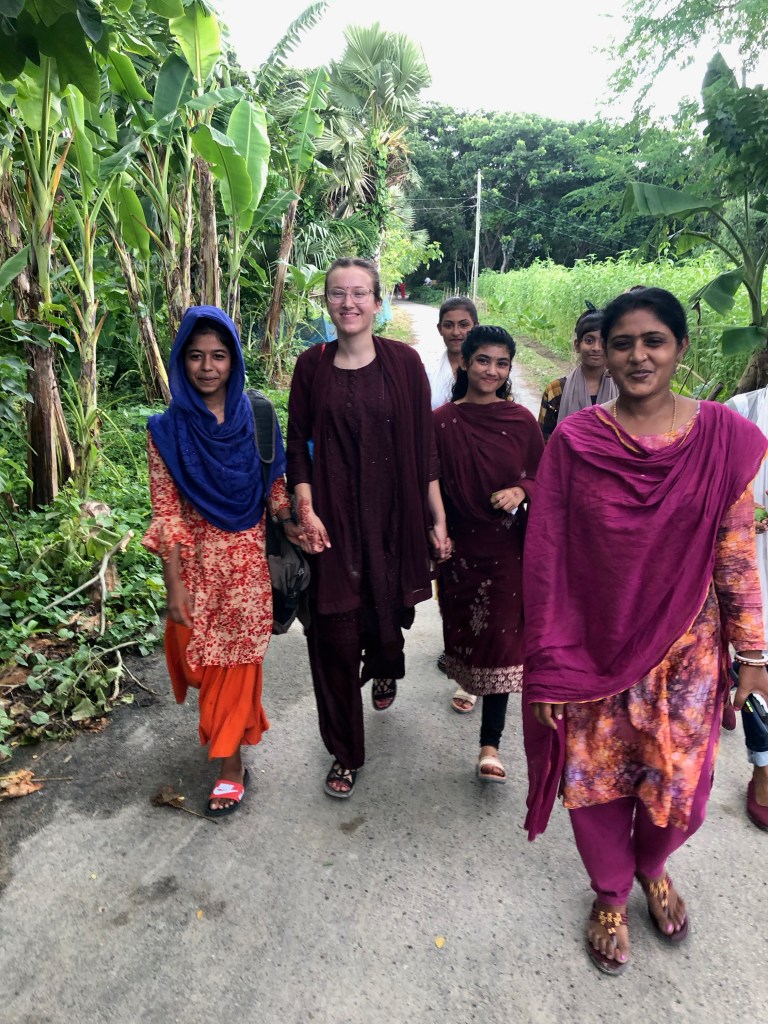
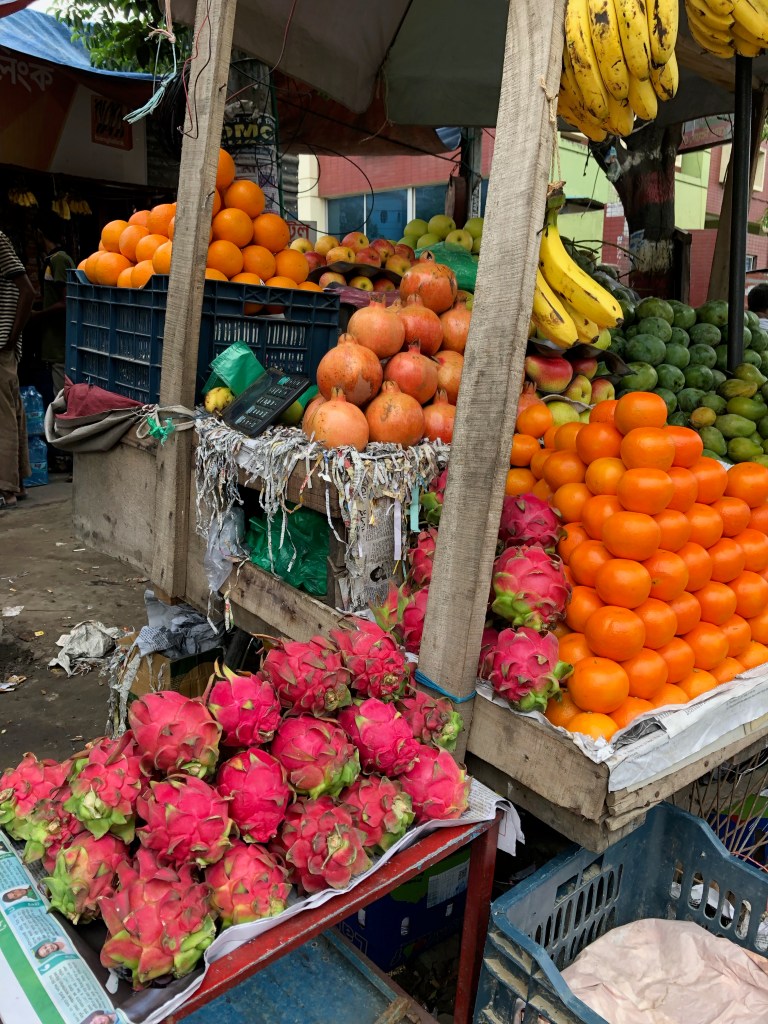
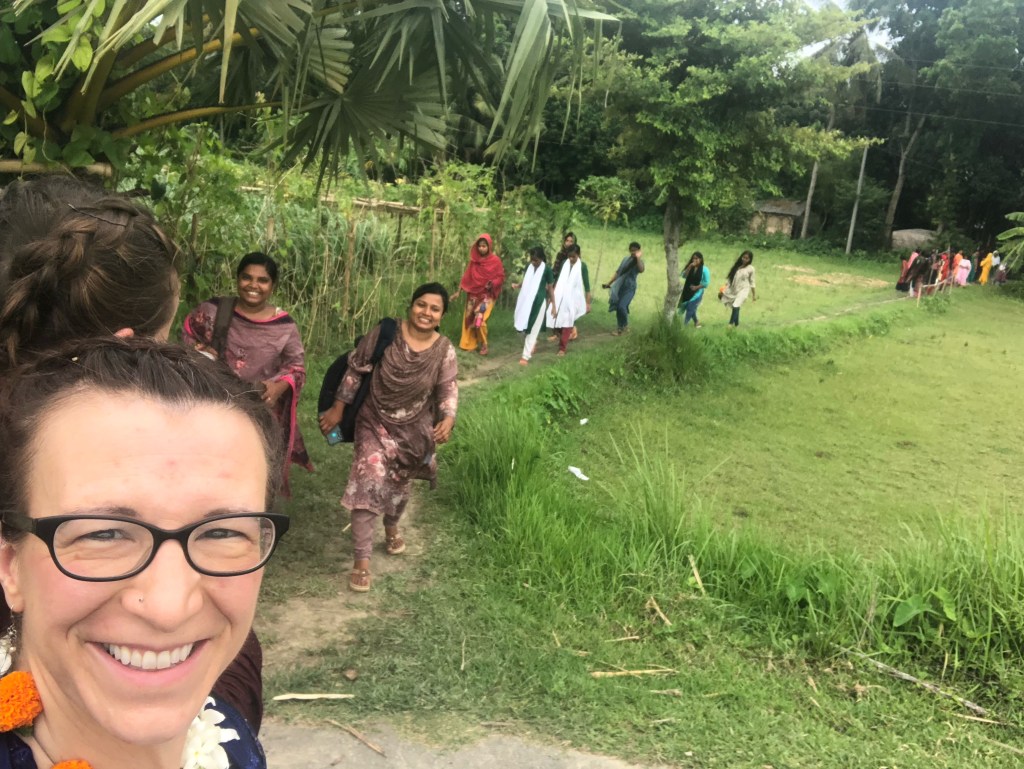
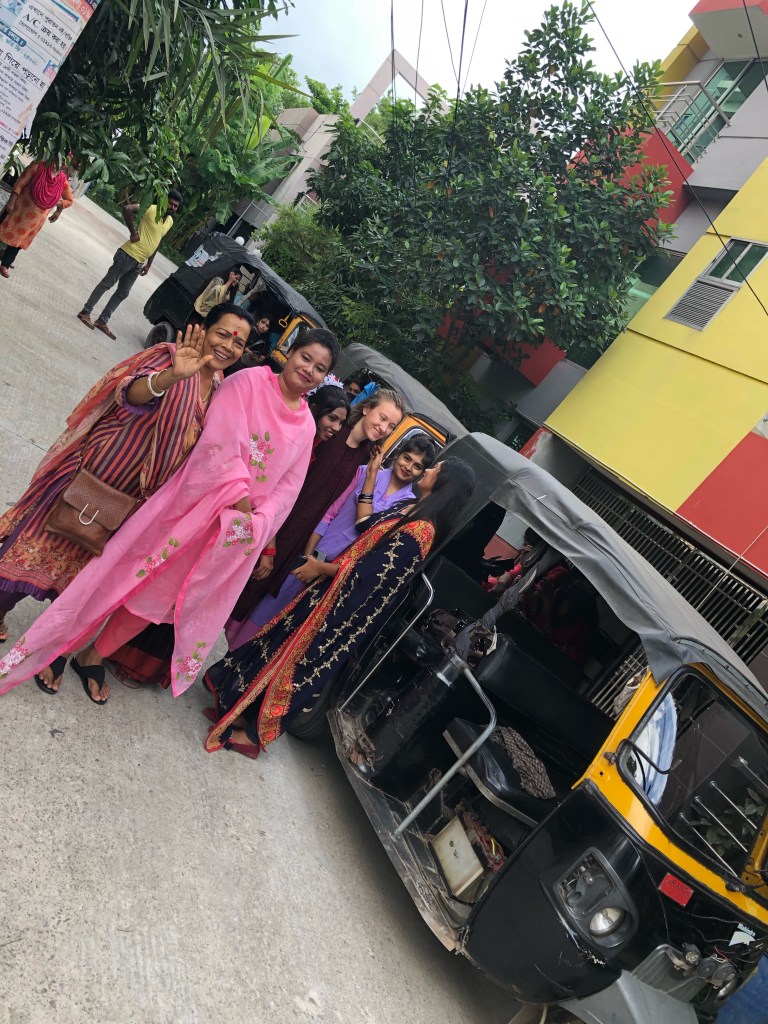
It turns out that in Bangladesh when you want to walk the neighborhood, you hold hands with your hosts… across the busy streets, past the dragon fruit vendor, through the sweet shop, with new friends.
July 18:
This is the day… that the Lord has made, We will rejoice and be glad in it…
(A summer camp fave)
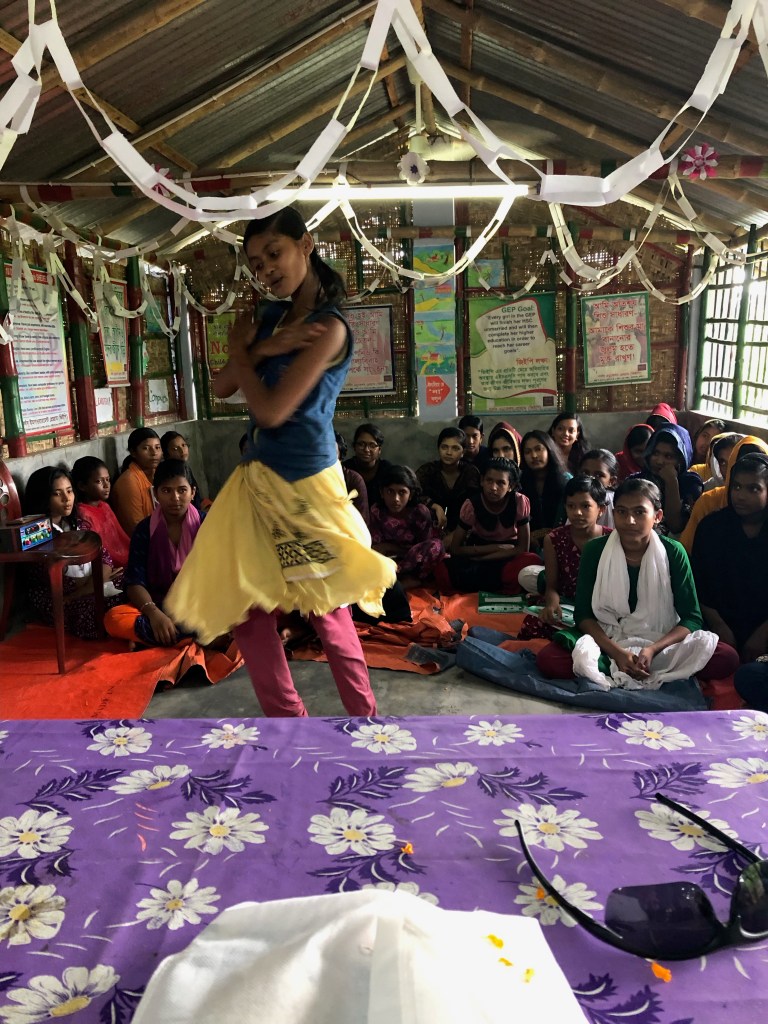
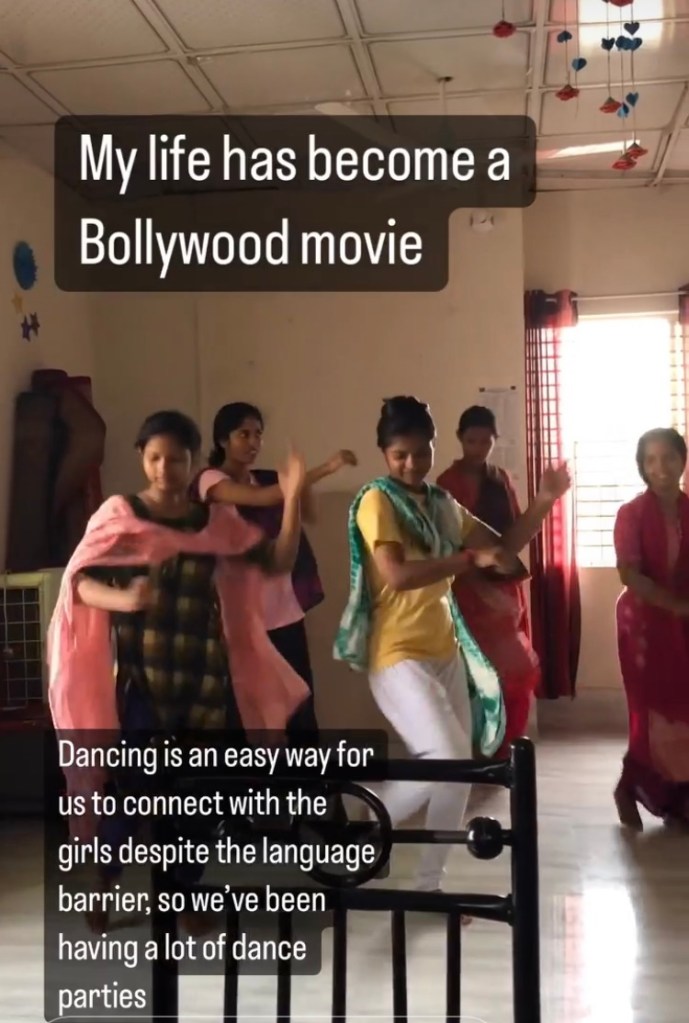
The girls in the villages and the dorm love singing and dancing. We’ve learned we need to have a song ready at a moment’s notice, and this one has been our go-to.
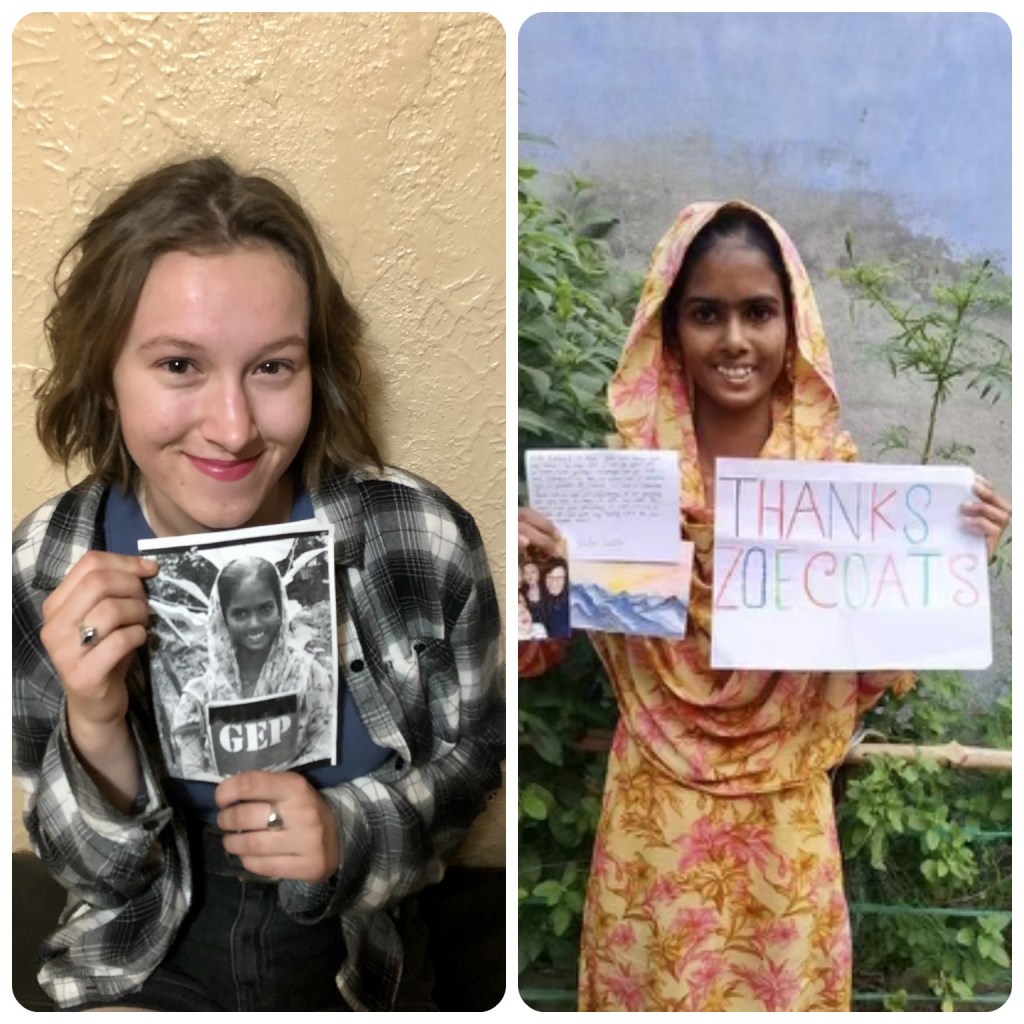
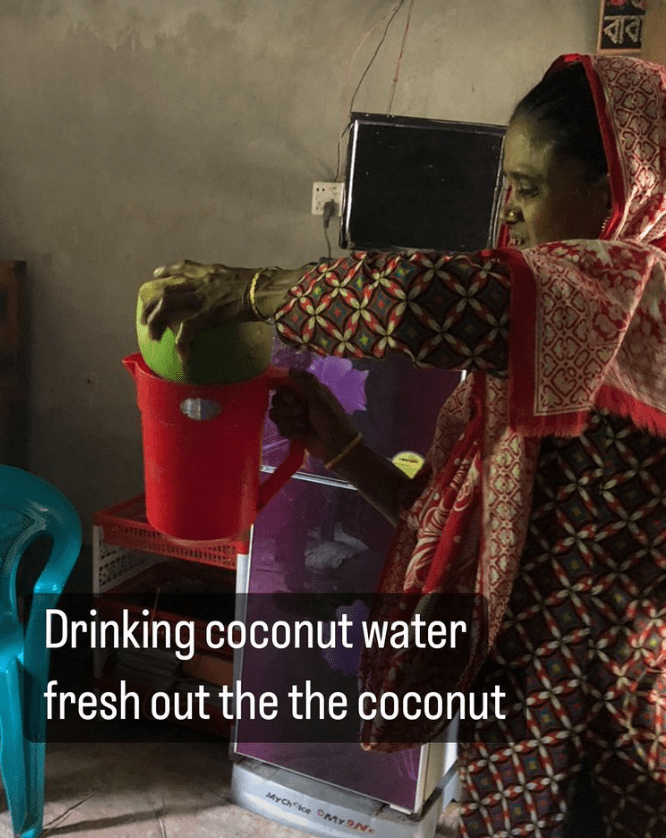
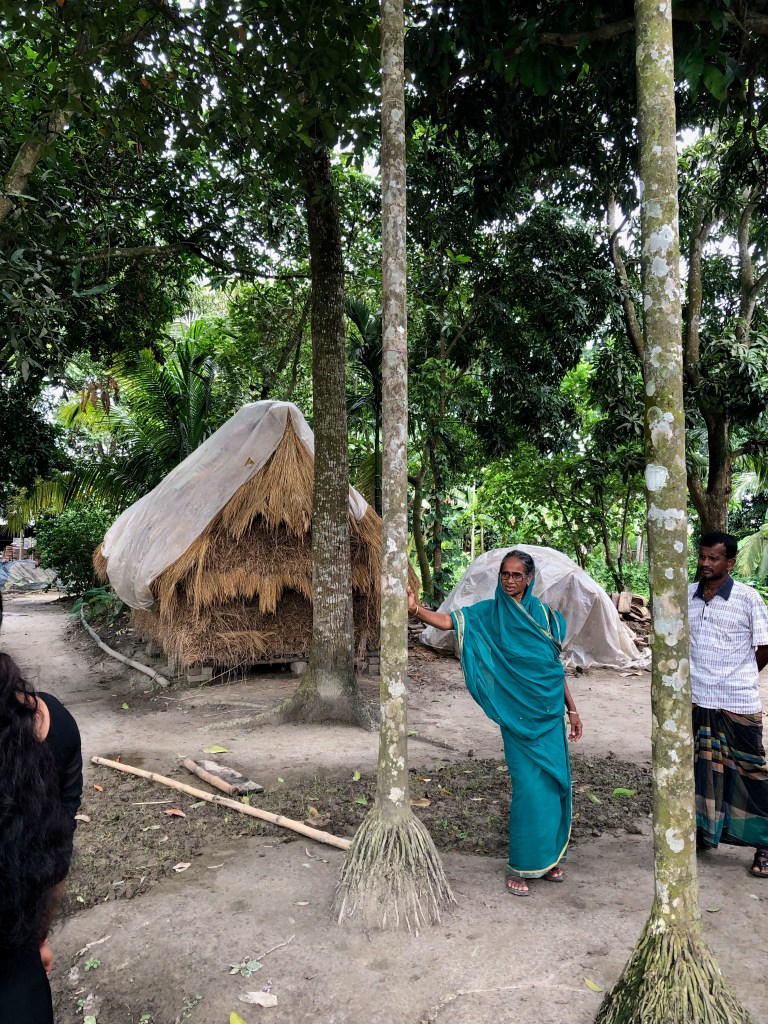
Today we were welcomed into the village and home of Dee, the girl Zoe sponsors with Speak Up for the Poor. Dee helped her mom serve us noodles and orange slices and coconut water fresh from the tree outside. As I looked around the lush green village and around the sparse room in their home, I thought: I am the farthest from home I’ve ever been.
July 19:
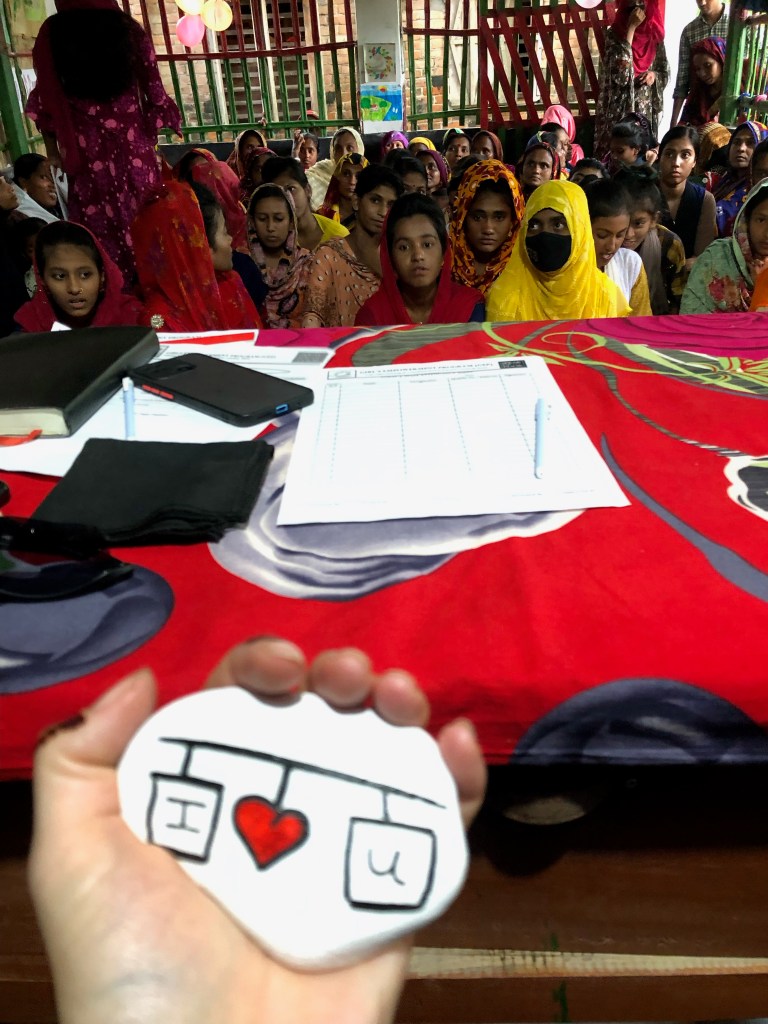
Rock #3 has traveled so far from its Colorado home.
When we went to visit Dee’s village for a parent meeting, we formally presented our lovingly painted rock to the girls. Then the Vice President of the student leadership team at their local schoolhouse formally received our little gift—a tangible piece of our home with them. They placed it at the head table in the school where it will likely serve as a very useful paperweight.
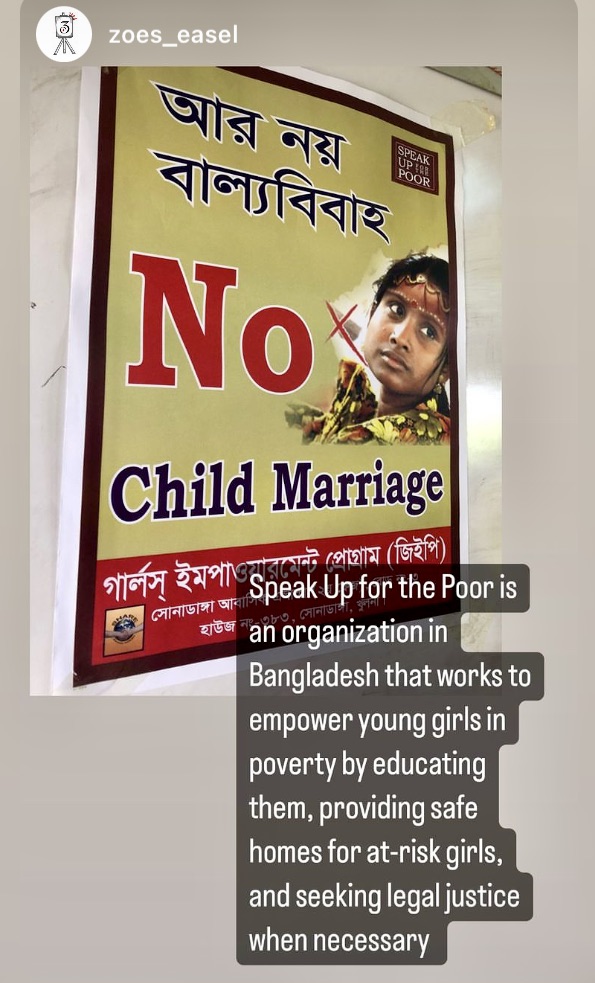
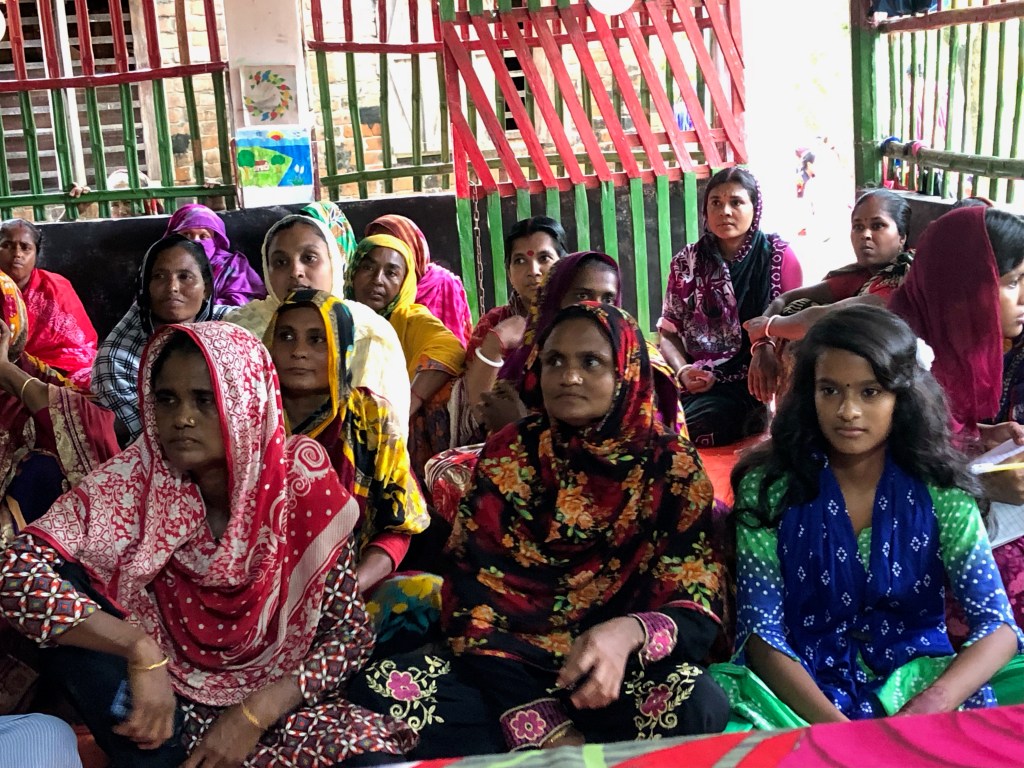
It was definitely a sweet spot to attend the parents’ meeting in Dee’s village. The girls are amazing, so it was fun to meet the moms who came to support their daughters’ educations—in place of child marriage. If the parents aren’t supportive, the girls will often end up getting married as a young teen. I was really proud of these moms, with limited education themselves, wanting something more for their girls. And, I felt so grateful to be there with my girl, supporting her education and wanting the best for her future.
July 20:
Today we met Lula—the girl my husband and I sponsor. We visited her village, her school, and her home. All the other girls followed from the schoolhouse. We met her parents and 4 sisters. We shared small gifts with them, and they shared fresh dates and coconut sweets with us. I love having a clearer perspective of her context, and seeing how sponsorship lifts up all the girls in the Education Program—in the villages, the dorms, the slums… I’m super grateful for this experience and all that it took for us to get here.
July 21:
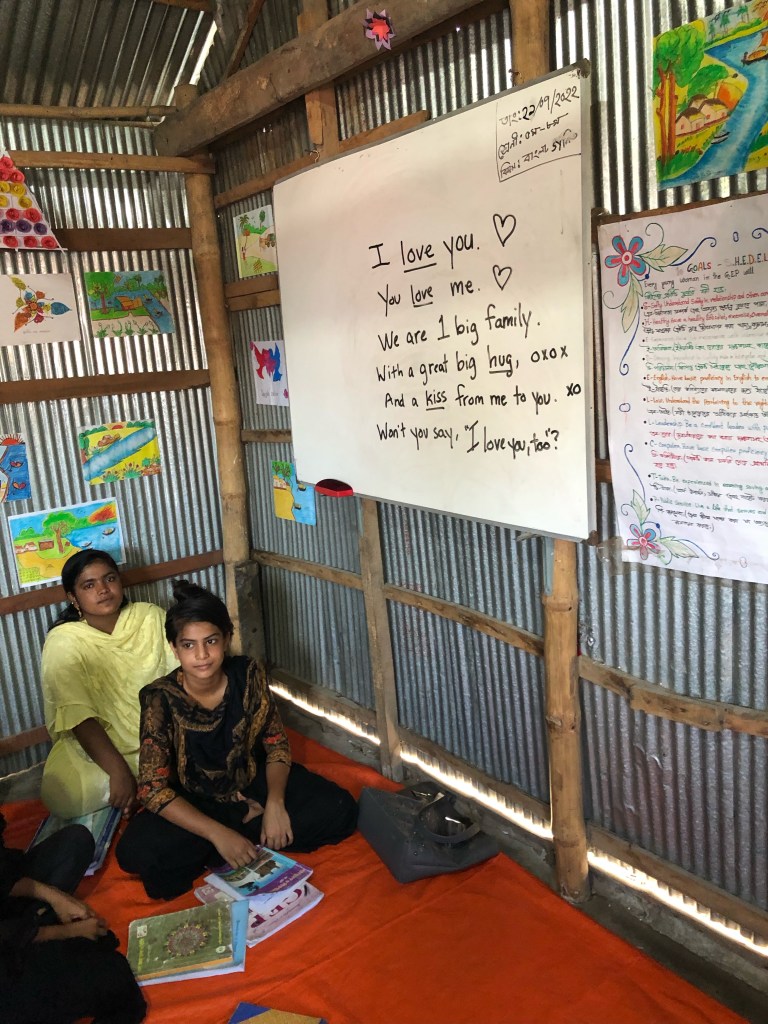
I love you, you love me,
We are one big family…
(I love you, Barney)
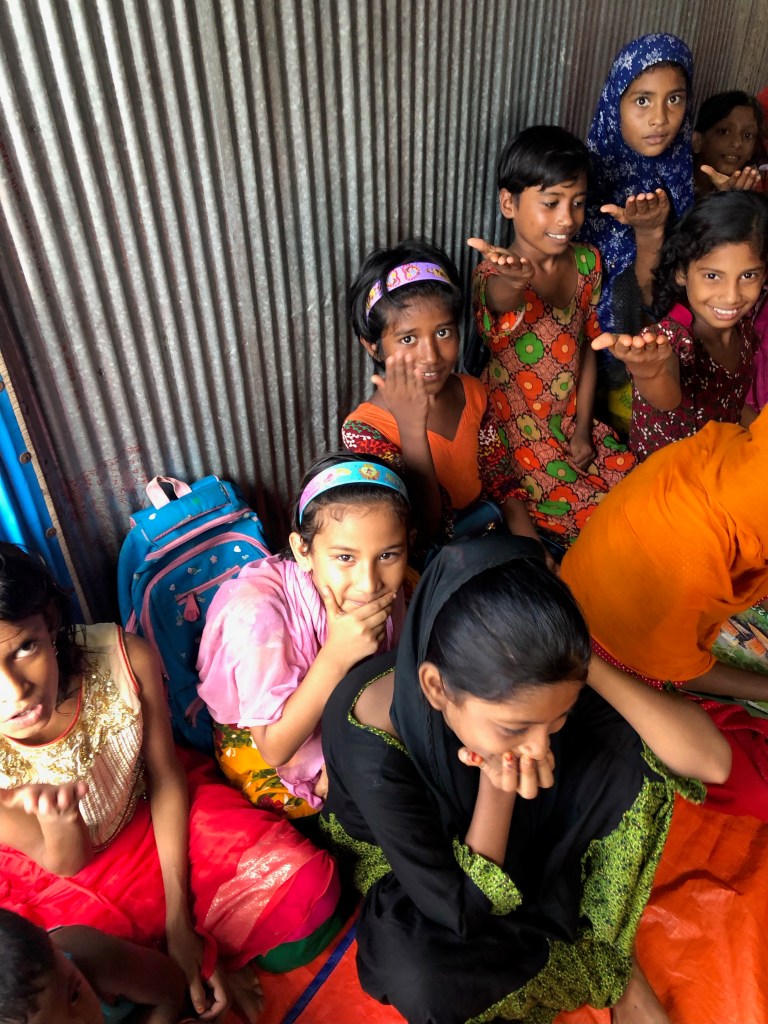
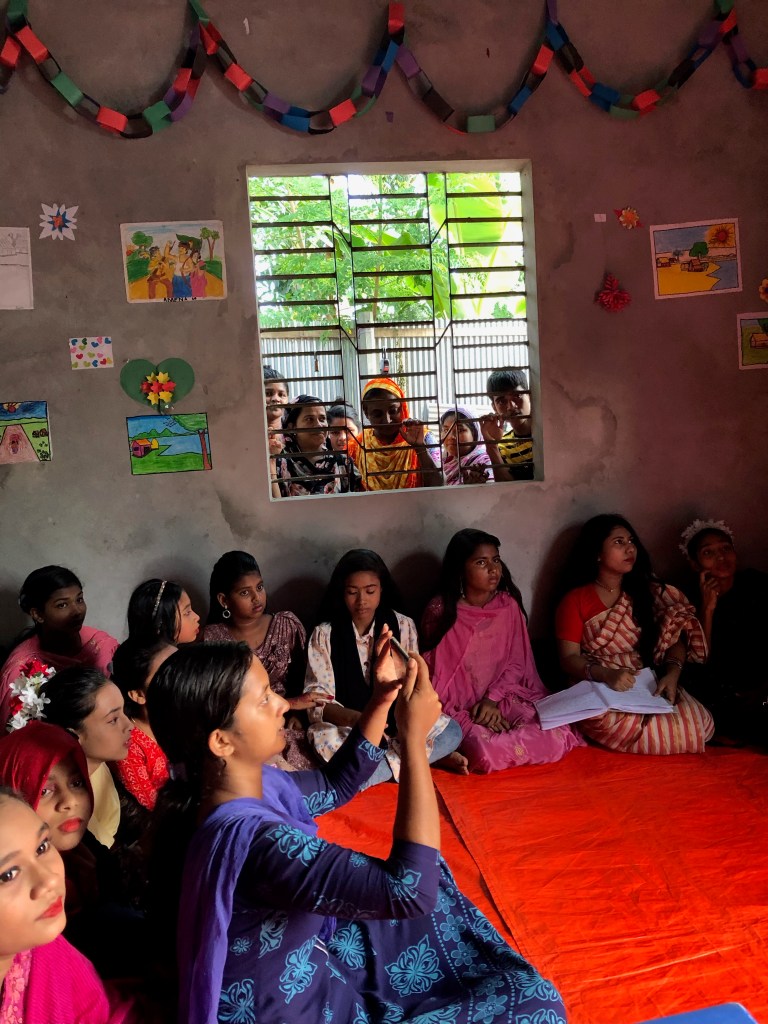
Zoe and I have learned to teach English lessons with only a moment’s notice. Today we joined the Student Teachers from the college dorm as they taught their classes in small schoolhouses in the slum areas—full of bright-eyed learners. With a great big hug and a kiss from me to you… I loved this impromptu English lesson with these cuties.
July 23:
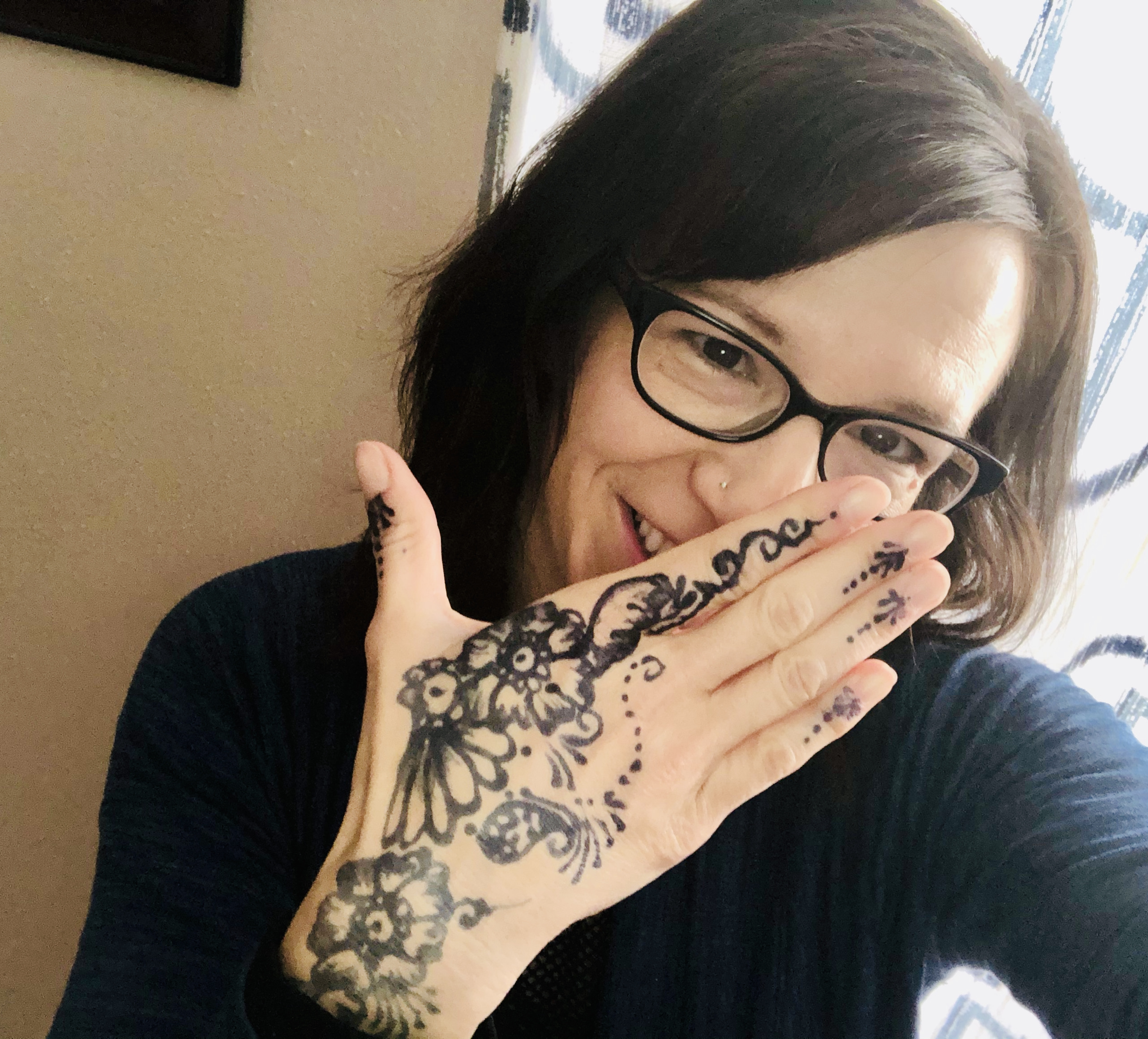
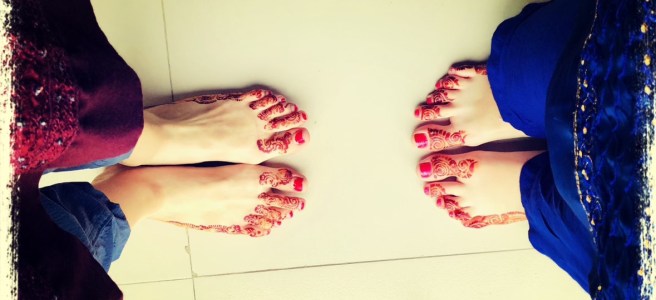
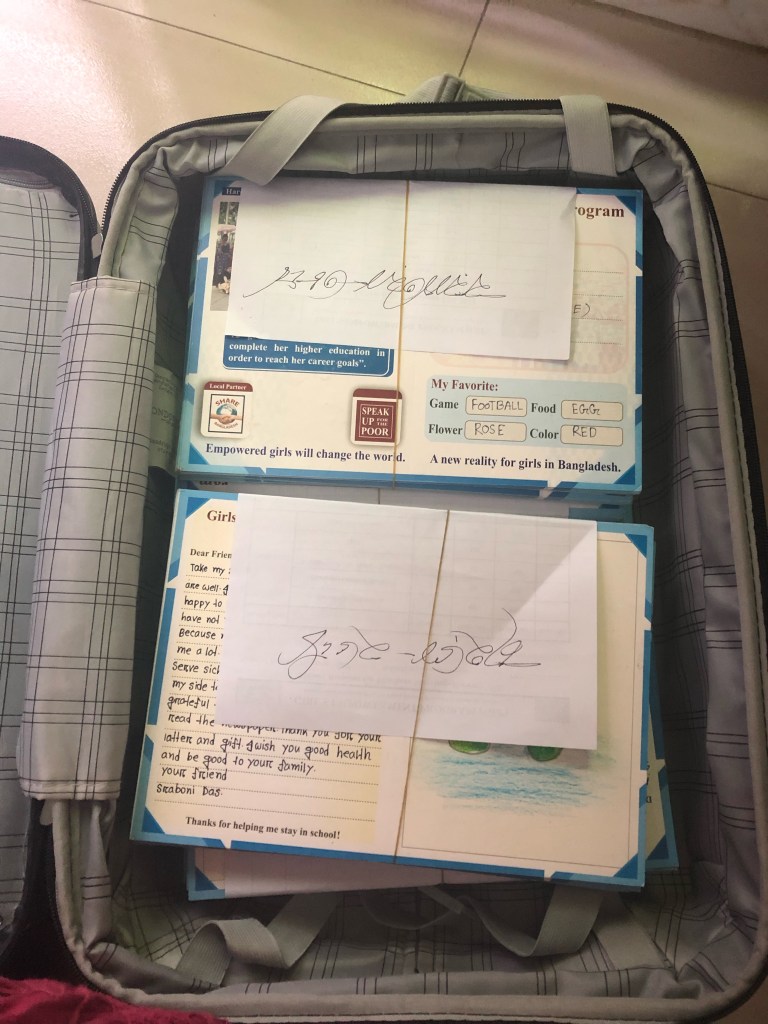
Heading home… Our trip back to Colorado starts on an easy bike, then a bus, then 4 planes, and 30+ hours later, a final car ride to our house. We packed some extra suitcases full of letters from the Speak Up girls to take back to their sponsors in the U.S. We also loaded up on henna cones—an essential for Zoe to take to college. And we sadly said a gazillion goodbyes.
July 29:
As I am back to walking my regular neighborhood, I love how music can take me right back to a place…. When I made my multilingual playlist to accompany our epic summer adventures, I included a popular Bangla song (by searching 2022 top Bangla songs). With all the dancing that went on while we were there, Komola was one of the first songs I heard in a dance performance, and then kept hearing. Now, when this song comes up on my playlist, it takes me right back to this little village school. Sometimes I can’t believe we were even there. But the feelings and memories stirred up by this song and others are proof that it was all so real.
August 15:
One, you get one heartbeat, so, Take it seriously… This is your masterpiece, Don’t forget to dream and taste the colors In the air you breathe
(Masterpiece, Andy Grammer)
Today we moved Zoe into her college dorm: She’s ready. She’s ready to ask hard questions, explore possible dreams, taste new colors. She’s ready for home away from home, for new friends, and new levels of adulting. I’m super excited to release her into this new aspect of her masterpiece.
The 4th Rock:
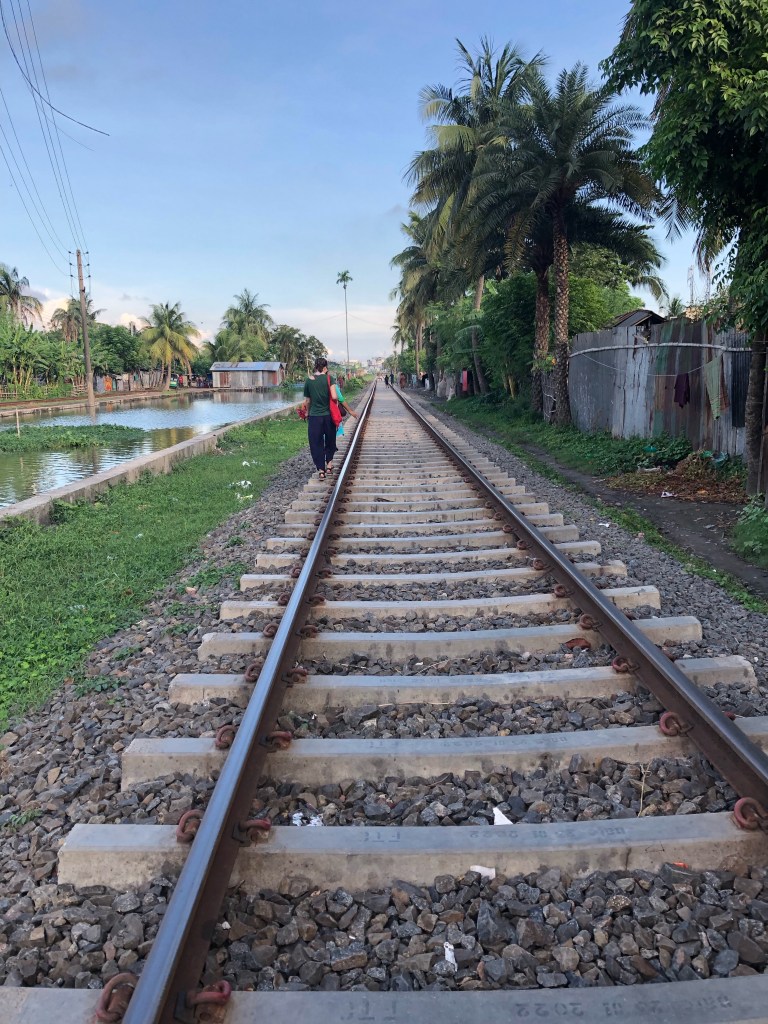
We left three Colorado Rocks in each of the countries we traversed. The 4th rock is the rock we brought home—the one I lifted from the railroad tracks outside the slum areas of Khulna. I had searched in each village we visited in Bangladesh, but with the hard-packed dirt trails covered in jungle plant debris and mud puddles left over from recent rain showers, loose stones were hard to come by—and the girls thought it was strange that I kept digging around in the dirt with my fingers! Rock #4 will become part of our Thanksgiving Rock collection—a tangible reminder of gratitude for our epic 2022 adventures.
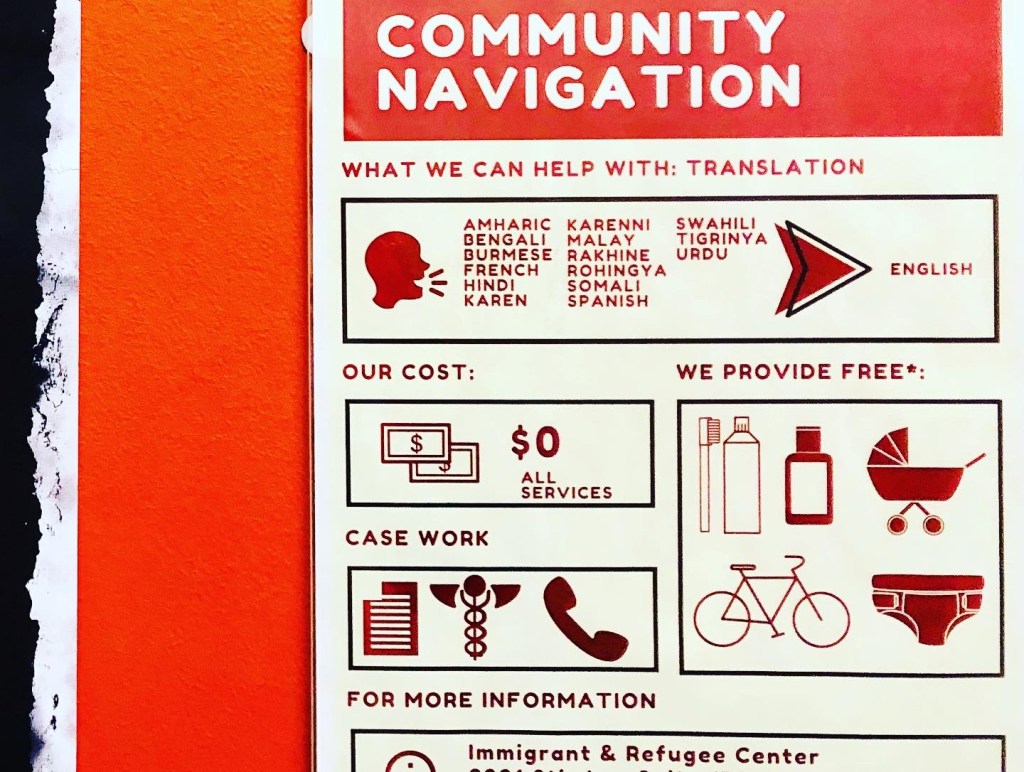
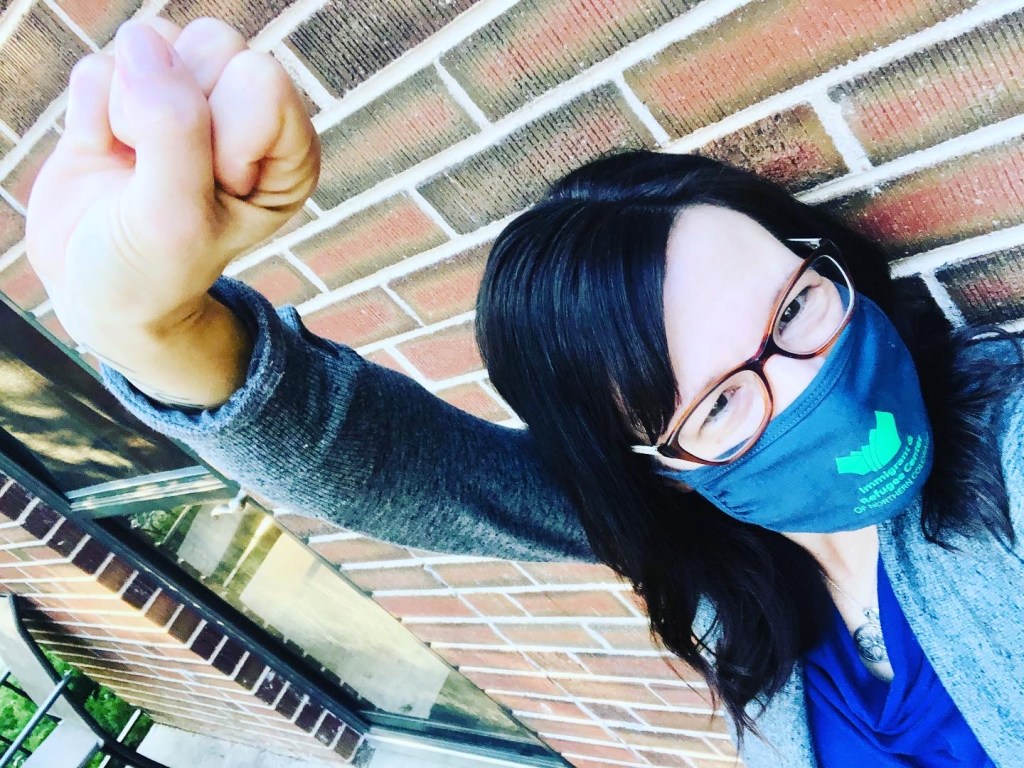
I was still sore about potentially putting women at risk of COVID-19 instead of figuring out how to empower them. So, I dove into another challenge with just the right amount of overwhelming and satisfying. I was learning to be a Community Navigator at our local Immigrant and Refugee Center.
I loved those words. I really wanted to grasp the essence of community. And I was already a horrible navigator of physical streets, but the thought of learning how to help resettling refugees navigate my beloved community felt like the perfect challenge.
Turns out Part Time Community Navigatoris the perfect journey of learning to live for the sake of others. Hours of filling out forms that will hopefully remove just one of a gazillion impossible barriers that newcomers face as they bravely transition to a new world, in a new language, with limited resources. Turns out delving into the vulnerable circumstances of people’s lives, loved ones, and longings in order to fill out spaces on a form felt something like washing other people’s feet.
As a person who slips comfortably into a place of mercy, justice feels difficult to maneuver around in. This is precisely why I owned sparkly combat boots—to embrace a new aspect of myself. In this new navigator role I was barely scratching the surface of understanding injustice and privilege as I listened repeatedly to the monotonous melodies of WAITING ON HOLD with one government office or another on behalf of a client and their specific need. And every time a client got one step closer to their goal, I would lift my hands up in a celebratory cheer. Turns out that mercy, grace, and kindness towards someone facing injustice can really split a heart wide open. And when that happens, boundaries and zoning areas of comfort and capacity explode into beautiful chaos.
Turns out that:
Mercy pairs with justice.
Gentleness is a form of harnessed power.
Grace pours out of abundance.
I was learning to lift others up. I was learning to celebrate the big and small wins of many courageous people who welcomed me into their vulnerable spaces.
LIFT UP:
My second lesson in being empowered is learning to help someone else reach their goals. And… inviting others into reaching my own—the things we can’t do just on our own. Carrying each other’s heavy loads, together.
Example: My friends and I carried the couch up the stairs.
My friends and I are the agents in this sentence. The couch was acted upon. My friends and I used our strength and decision-making skills to complete a goal together. That’s agency, and heavy lifting. That involves me putting down my own important stuff for a moment so I can put all my strength into lifting something that requires many hands.
Strength is limited. We can’t do heavy lifting alone or for long. We need to know that lifting is getting us somewhere—that there’s an end goal.
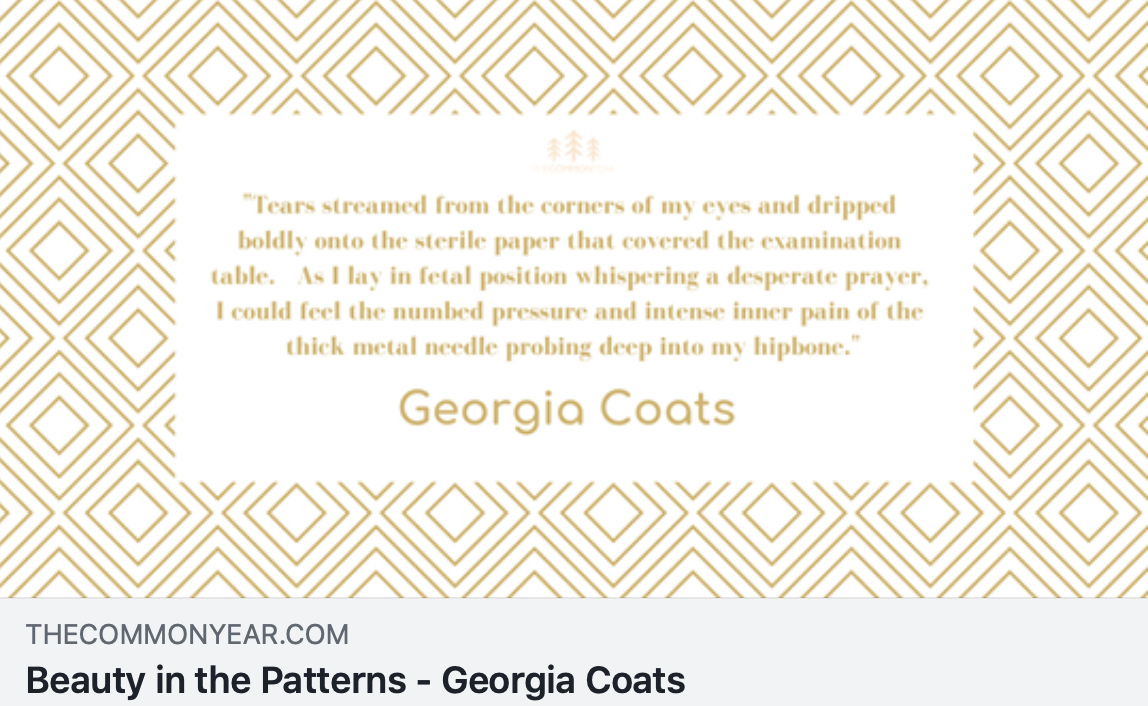
Tears streamed from the corners of my eyes and dripped boldly onto the sterile paper that covered the examination table. As I lay in fetal position whispering a desperate prayer, I could feel the numbed pressure and intense inner pain of the thick metal needle probing deep into my hipbone. I had stopped counting bone marrow biopsies after a dozen. They had become routine over the years of chronic leukemia treatments. With a thick layer of gauze under an over-sized Band-Aid, the doctor patched up my tiny yet deep bone wound and sent me on my way.
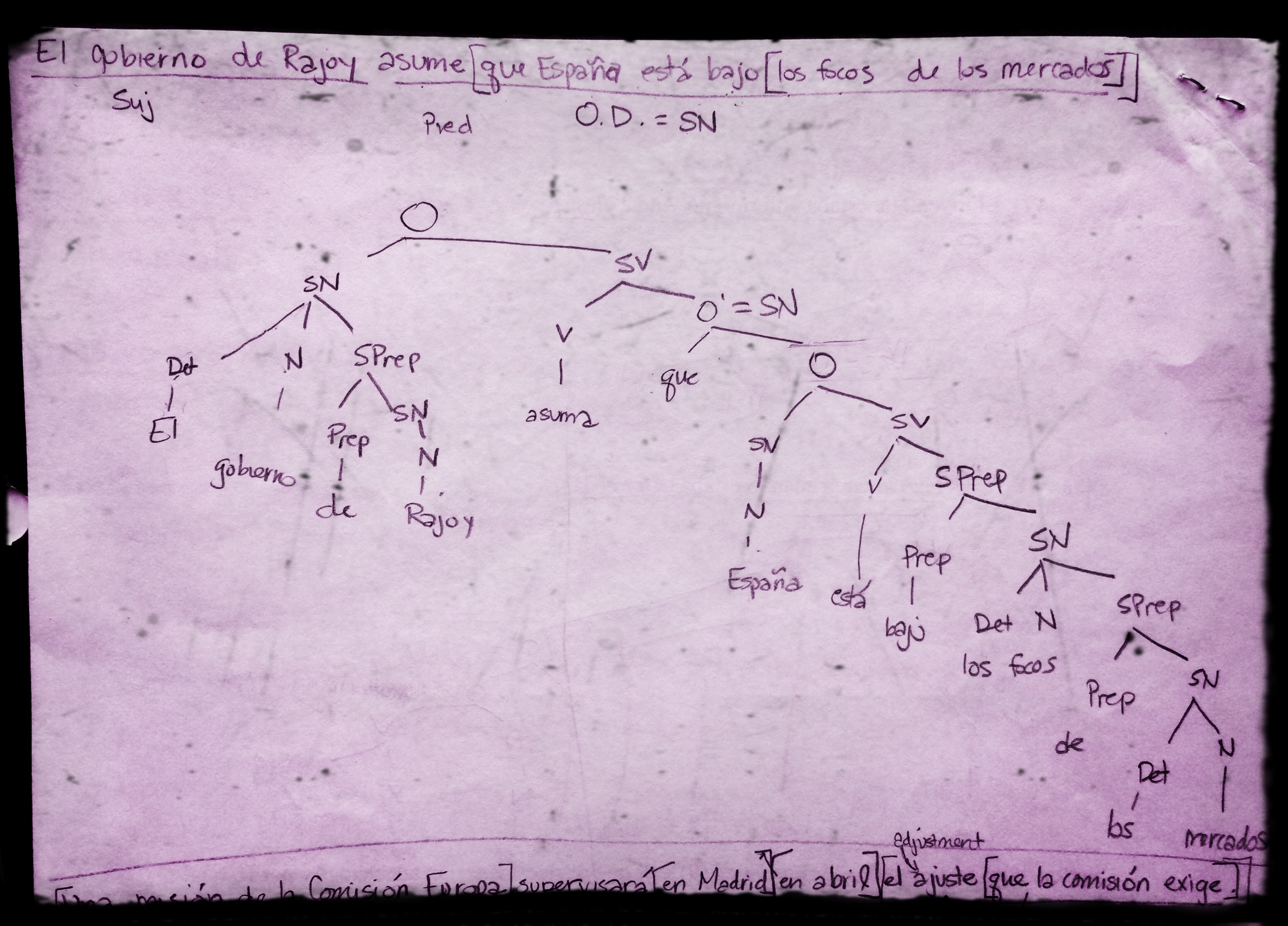
My husband hugged me tight, handed me my coat, and ushered me out the door. I still had time to make it to my absolutely favorite graduate Spanish linguistics class. Being an already awkward, over-achieving, non-traditional grad student, I decided limping in late with tearstains and a bandaged backside was still worth it. I slipped into my front row seat and began to copiously copy the tree diagrams sprawled all over the whiteboards in the room. Syntax. I couldn’t decide if I loved syntax or morphology more. Good thing I didn’t have to choose—I just love the one I’m with.
My profesora gave me a sympathetic look and proceeded with her lecture. Compassionately, she had offered that I could take an Incomplete for her class if I needed to during this uncertain time of changing leukemia treatments. That was unthinkable. It wasn’t that I needed to “stay busy” during a difficult time, it’s that I needed to be part of something meaningful.
Who knew that la lingüística could provide such purpose?
Within the field of linguistics, the goal is to discover patterns in language. Once the patterns are discovered, linguists search out evidence found in natural speech to describe the rules and identify the boundaries of such defined patterns. I find comfort in the certainty of patterns that allow us to explore deep mysteries of minds and cultures.
Did you know that there are universal principles found in all the world’s languages that set human language apart from animal communication? This is where geeky meets inspirational.
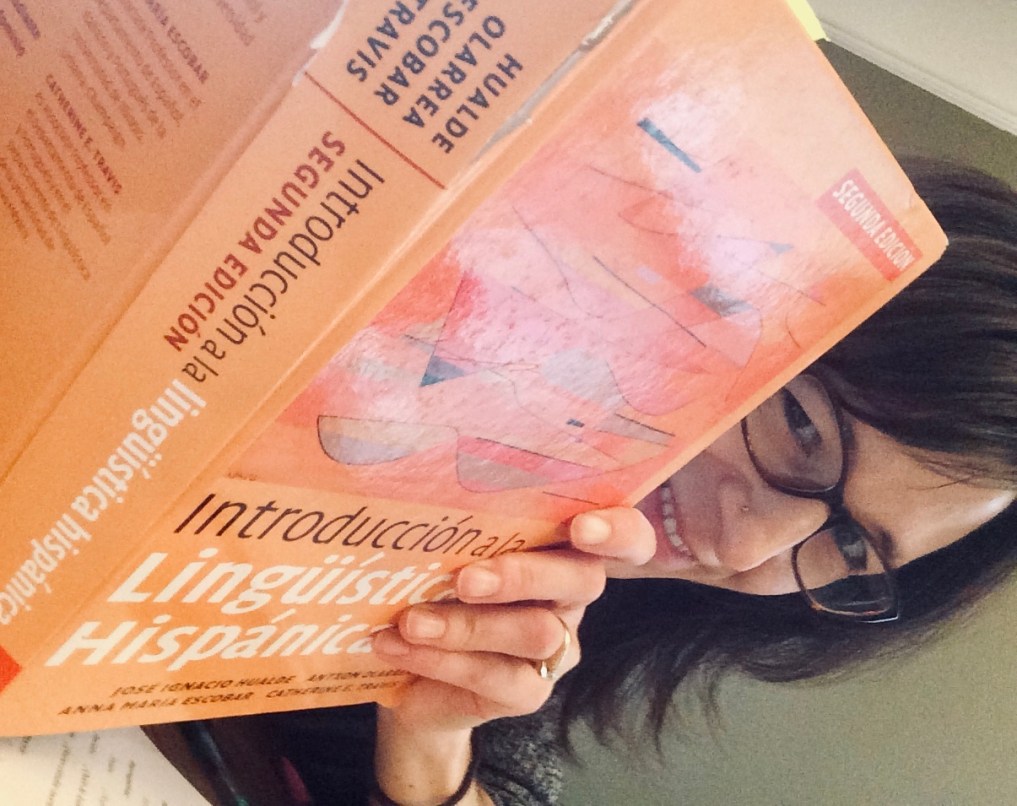
According to my favorite textbook, Introducción a la lingüística hispánica, creativity in a linguistic sense is the ability to take a finite number of items (a set of sounds, letters, morphemes, or words) and to produce an utterance that has never been said before. We have the power to create. This creativity allows us to make friend a verb, and to invent novel combinations like un-Google-able and stay-cation.
Prevarication reflects our human ability to fabricate, that is, both to deceive and imagine other possible worlds.
Recursion is how we use a finite number of language structures and patterns to produce infinite possibilities:
This is the house that Jack built. This is the malt that lay in the house that Jack built. This is the rat that ate the malt that lay in the house that Jack built. This is the cat that killed the rat that…
Patterns help our finite human minds fathom infinity.
We can ponder impossible things. We can process the past and hope for the future. Our language capacity allows us to imagine, to weave together a story—whether it is to fabricate a brilliant excuse or invent a fantastical new dimension.
Patterns are discernable and predictable structures that repeat and could potentially go on forever. They are God’s eternal fingerprint on our temporal world. He set eternity in our hearts and gave us the tools to process and express His everlasting essence. He has wired us to marvel at divine mystery and to comprehend great and unsearchable things.
In the midst of life’s unknowns, I have learned to cry out to the One who knows me. To seek the One who penetrates marrow and searches souls. To search for His beauty in patterns. And not just in language. God has scattered discernable patterns all over this world for us to discover and describe and fathom and imagine.
Meal:
Maybe you have Taco Tuesday. We have omelets on Fridays. Embrace the rhythm of routine, but pause to savor it. Make your favorite omelet, but tweak the ingredients just enough to stir your culinary imagination. Add smoked Gouda or sundried tomatoes. Top with sautéed mushrooms and onions. Try a side of roasted sweet potatoes drizzled with olive oil.
Song:
I love patterns in music—both the tune and the lyrics. With hands opened towards heaven, listen, notice, and discover; surrender to His design.
Lord, you are infinitely loving. You set eternity in our hearts that we may comprehend unsearchable things. I call out to you today. Reveal yourself to me through the patterns in this world. Transform me out of the rut of life-depleting routine and into the unforced rhythm of your grace. Thank you, Jesus.
Time:
Take time to play with words and play on words. Marvel at the morphemes that make un-fathom-able possible. Listen closely to the whispered words God has for you. Try to keep track of unsearchable things. Get lost in a pattern and imagine new possible worlds. Share a good word from His Word with a friend. https://www.thecommonyear.com/blog/2019/3/16/beauty-in-the-patterns-georgia-coats
My three kids have been learning Arabic in school for the past 4-9 years. But we recently moved and switched schools, and so they they no longer have such easy access to Arabic classes. So, because I’m a master at teaching small group Spanish classes…
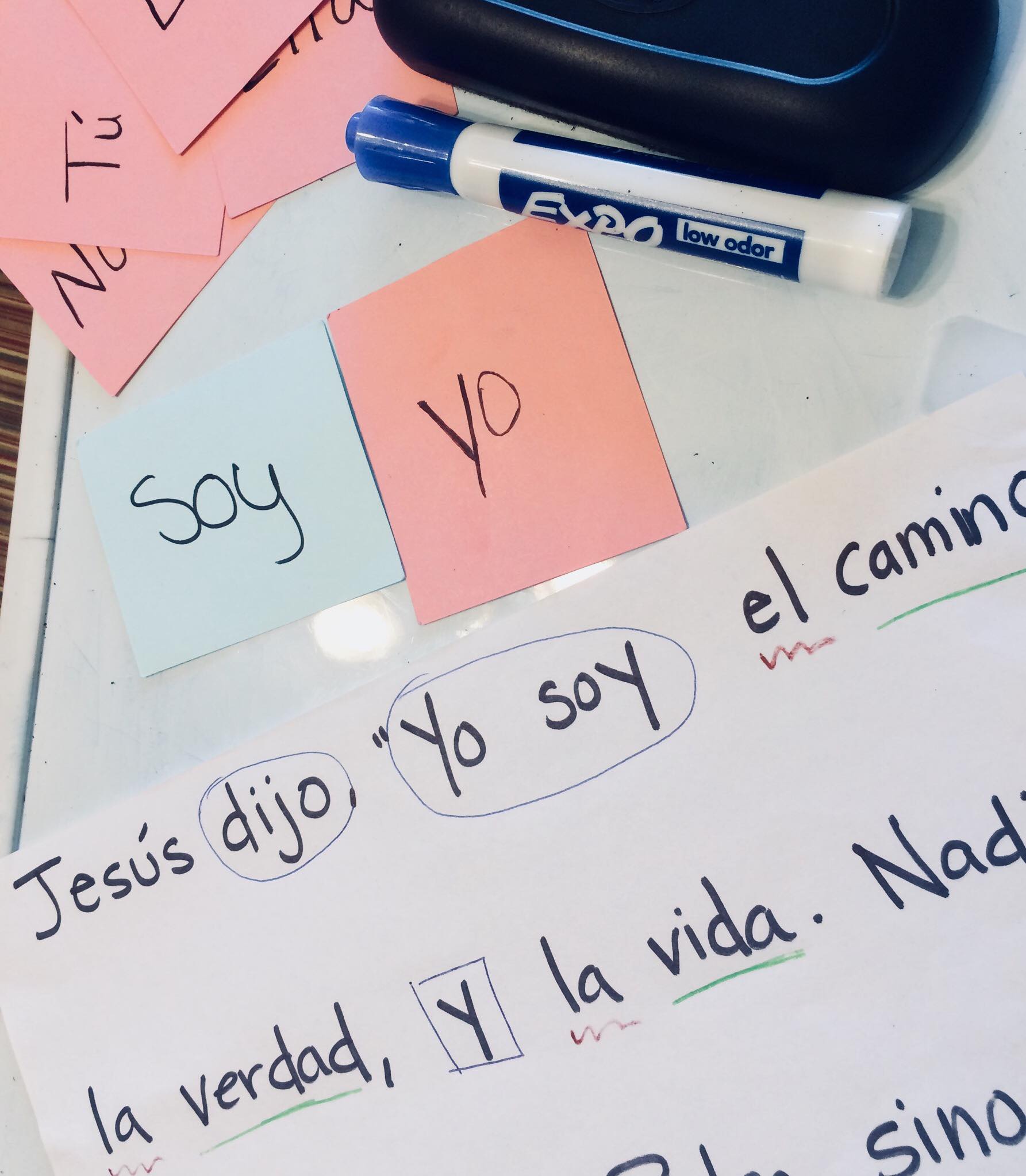
We had our first Saturday morning family Spanish class:
Macro level analysis of a familiar text: Juan 14:6, a Bible verse that they have previously memorized in English. We were looking at three ways Jesus identifies himself, as the Way (el camino), the Truth (la verdad), and the Life (la vida). Micro level grammar: subject pronouns and identity verb in the first person “Yo soy”
To finish off our lesson over pancakes, we listened to one of my favorite Spanish pop songs by the Colombian band Bomba Estéreo
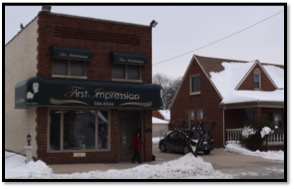
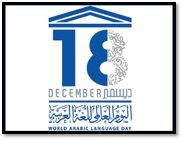
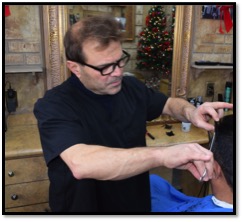
I sat robed in a black plastic cape, my wet hair combed over my face for precise styling. Sometimes a new hairdo from my long-time Lebanese stylist, Toufic, at First Impression Hair Salon, involves cake and tea with his lovely wife, or buying a box of Girl Scout cookies from one of his daughters. As he snips and trims with precision and care, Toufic always fills me in on the latest news of his family, his country and the unrest of the region. I also like to freshen up my rudimentary Arabic skills with him and learn a new phrase or two. But it was unusually quiet this Thursday morning without the standard news from the “Old Country” rattling on in the background. That set me up for the perfect moment to inquire about Tallou Hababena. Tallou Hababena was the new song my daughter had been fervently practicing with her low intermediate Arabic class at her school. They had to memorize the song and perform a traditional debke dance in preparation for the UN World Arabic Language Day, which is recognized globally and annually on December 18.
Inspiration to Research
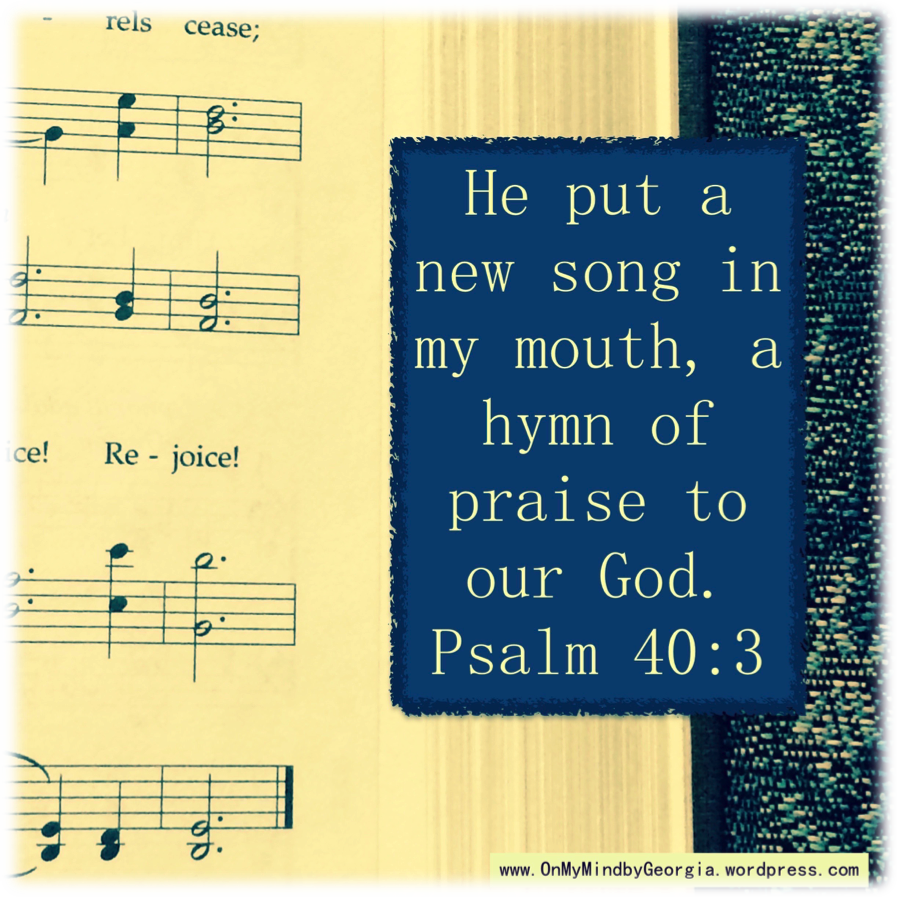
A new songsums up graduate studies at Wayne State University. From the Psalms I am reminded that God is my strength and my song. This spiritual strength has carried me through the incredible combination of the increased academic challenges of fulltime graduate school and the physical weariness due to my current leukemia treatment. I have battled chronic leukemia (CML) for fifteen years, but my current treatment, Sprycel, is more toxic to my system and regularly challenges me with increased fatigue and dizziness. Being simultaneously on Sprycel and on a scholarship has pushed me to the edge of vulnerability and gratitude. I have been soaring to new heights and needing new strengths to do it. During my most difficult struggles I find hope through inspiring song lyrics. My source of inspiration has become my focus of research, new songs. Expression through song is powerful because it can be personal, social, spiritual, and cultural. A song can stir a heart, inspire a nation, or lull a child.
Contributing to the inspiration is the cultural and linguistic information contained within authentic music and lyrics. Song lyrics are a great resource for gaining cultural perspectives and memorizing new language forms. With my Spanish students, we print song lyrics and then research idioms, dialects, themes, styles, metaphors and verb tenses found in each new song. Through this wealth of cultural insight, my desire is to make life-long language learning meaningful and inspiring for myself, and for those that I teach and coach.
The Comprehension Quandary
So, as I sat at First Impression, my thoughts shifted from my studies back to my daughter’s Arabic song. Tallou Hababena had become my new challenge. My daughter had come to me weeks before with the Arabic script and the notecards she was using to transcribe the lyrics into English. Even though she didn’t understand the words, she was trying to prepare her best for her class performance.
As a family we want to position ourselves to engage the language and culture in our community. I’m training to be a Language Learning Coach. I am researching music for language learning purposes. I got all fired up. There was no way my girl was going to sing a song she didn’t understand in celebration of language! We went into full-on meaning-making mode: My husband acquired the translation of Tallou Hababena from a friend. We had watched various YouTube videos that helped us figure out that this song was about a songbird, nature, and the beautiful mountains of Lebanon. We knew that that title meant Come our Love. But something was missing. Why this song? How did it stir the hearts of its hearers?
Longing for Home
Toufic felt free to enlighten me. With scissors in one hand and a comb in the other, and my wet hair in my face, his face lit up at the mention of Tallou Hababena by the prominent Lebanese singer Wadih El-Safi. “Kids wake up whistling this song. It’s a song about home. When someone has been gone, far away, for too long, their loved ones back in the villages wait for them to come home…” As Toufic burst into spontaneous song, my mind wandered to my family and loved ones far away, and how I wished I could be with them, especially at Christmastime. Tallou Hababena was in essence a version of I’ll be home for Christmas…if only in my dreams… Only this song had a beat you could clap along with, which I did, under my plastic cape! Even though I couldn’t understand all of Toufic’s words, I understood the powerful longing for my home and family back in Colorado.
My husband and I joked that before winter vacation most parents back in my hometown in Colorado were probably watching Christmas concerts, with their kids donned with jingle bells and red sweaters. But we beamed as our daughter and her 6th grade Arabic class walked onto the stage and began swaying their arms, stomping the debke, and singing along to Tallou Hababena (mostly) in unison. We were in full celebration of World Arabic Language Day, and Tallou Hababena would mark a new memory for us.
That’s the power of song. I have songs that mark some of my best memories, and some of the saddest ceremonies; songs of crying out to God Most High, songs that inspire, refresh, celebrate, and worship. I want to praise God with words and with my life, in more than one language, and I want to help others do the same.
(Adapted from the Yemeni American News, December, 2016 publication)
“Do not be afraid. I bring you good news that will cause great joy for all the people…”~Angel of God~
When the world around me seemingly swirls with hatred, anger and fear, and my heart is heavy for the hurting, my coping mechanism is to reminisce on stories of hope. In my profession of language teaching, motivation is a key element for success. Motivation in life, as in language learning, contains two essential ingredients: 1. You have to think you can do something: hope 2. You have to think that it matters: need. In November I was reticent to click send on my article, Scooching Over, because I knew that if I made my thoughts public, my own words would move me to action, and I wasn’t sure I had the capacity to scooch over for a new friend in my daily life. The last thing I want to do in this refugee crisis is talk about doing something and then do nothing. The need was clear: I believed wholeheartedly that my small action to make a difference in one refugee’s life mattered; but I wasn’t sure I could actually do something about it on my own. That’s where hope is bigger than me. It requires me to believe that I can be involved in great and impossible things.
After taking a moment in my hectic day to pause and pray, I called my New American friend that I have endearingly nicknamed Zuzu. Zuzu and I had connected at the Sabeel Media Event in October, where she had expressed that she needed help finding a preschool for her son. I had already called at least eight preschool locations in her zip code before I got on the phone with Zuzu. I offered to come over the next day, take her to visit a preschool, and teach her some English. To my surprise, she told me NOT to come. She said that she had already found a preschool, that her family was moving to a better location, and that she was currently too busy for me to come visit her. As it turned out, there was no room in her week for me. She didn’t need my charity to survive, which made me even more determined to get to know this highly motivated woman.
When things settled for Zuzu, I came by to see her new place. In her intermediate English she reported that she had signed up for English classes at the local college, she was studying for her driver’s permit, and she was in walking distance from most of the places she needed to get to each week. She has been in the U.S. since April and is determined to settle her family here. Zuzu’s vision is bigger than she is. Her hope is deep. Her potential is great. Her work is humble. She walks her in-laws to the doctor and her son to preschool; she cooks and cleans for her household of six. At night when everything is quiet, she studies English and listens to audio messages I leave for her to practice each week. Zuzu doesn’t want to live indefinitely off of the kindness of others. On the contrary, she wants to be an agent of care and change and assistance to others. She also would like to go home if she could. But she can’t. So her plan is to bloom where she has currently been transplanted—right here in they Detroit Metro Area, MI, USA.
|Her plan is to bloom where she has currently been transplanted|
From our visits together I have learned that Zuzu is Syrian Kurdish. Her hope is seen in the languages she wants her kids to know: English of course, so they can thrive in their new community. Kurdish of course, because that is the language of heart and home. Arabic of course, because you can’t live in Syria and not know Arabic. She is preparing her son and daughter to function in this new world, but also to be ready to return to her beloved home country…someday, Inshallah, God-willing.
Sitting on the floor of her upper flat on soft blankets against big couch pillows, sipping warm, sweet instant coffee with milk, my first step in our mini English lessons, was to identify her goals for learning English: 1. Help her mother and father-in-law with their medical prescriptions and paperwork 2. Help her kids learn English. 3. Go to college 4. Talk about travel and places to visit 5. Tell her personal history. Zuzu believes that learning English matters. She also clearly believes she can do it. Unless you’ve ever worked with someone that motivated to learn something, it’s difficult to describe how exhilarating it is. Her need is clear. Her desire is clear. She has hope for her future that is bigger than she is. And I have the privilege of joining her venture.
|Together our hearts break for the displaced people of her country.|
As a writer, I want to carefully handle the stories entrusted to me. This past week, sipping our coffee, I pulled out the Yemeni American Newspaper and explained to Zuzu that she
had inspired the article I wrote last month. I told her that I follow the teachings of Jesus the Messiah who says we are to love one another. His heart is for the orphans, the widows, and all those in need. As His follower, I offer what little I have with big hope. After all, the good news of great joy this Christmas season is for all people.
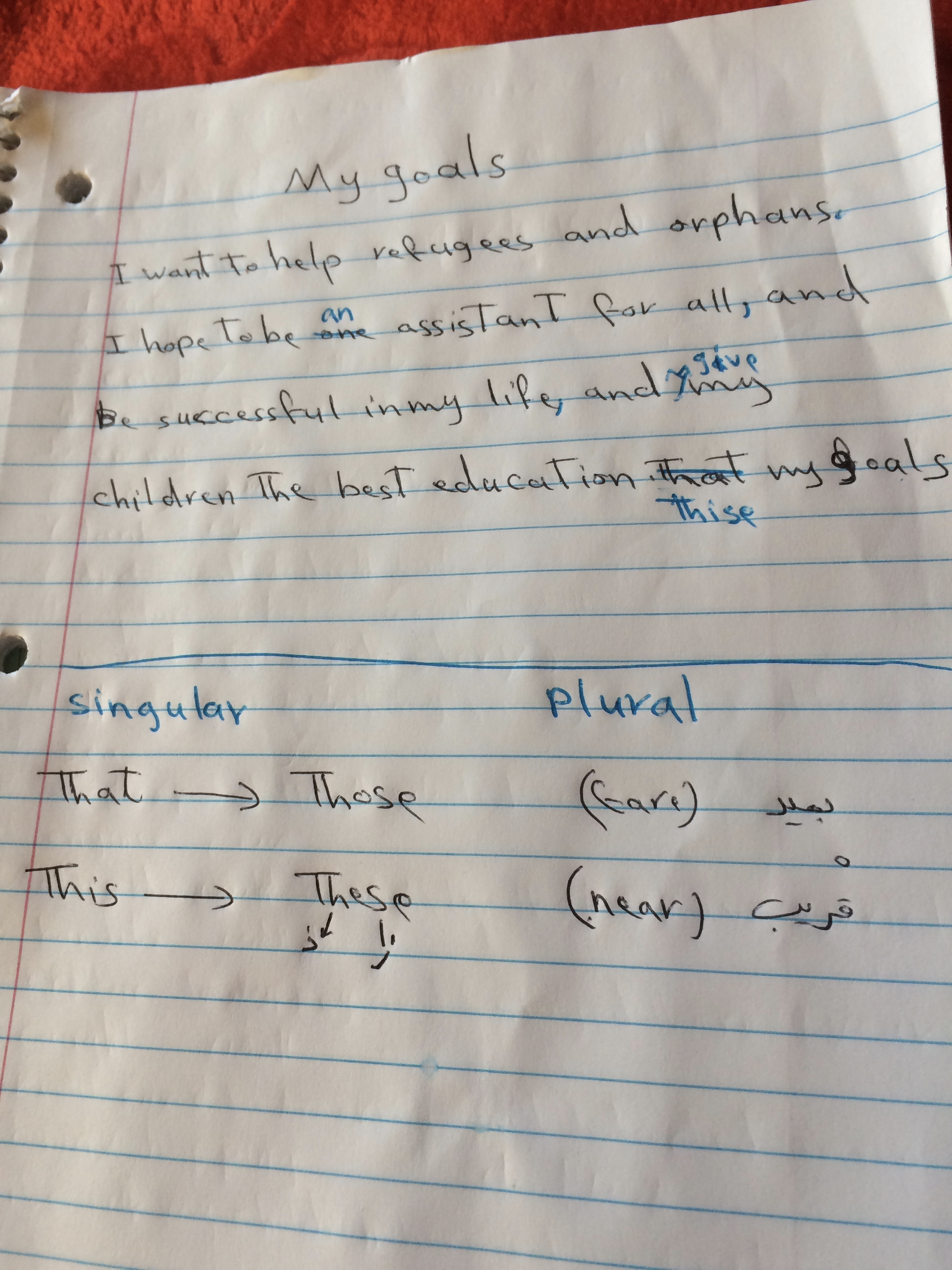
Zuzu shared with me another goal statement she had crafted late one night: I want to help refugees and orphans. I hope to be one assistant for all. And be successful in my life and my children the best education. That my goals. Clearly, Zuzu and I share a vision of helping those in need. Together our hearts break for the displaced people of her country. I asked Zuzu if I could publically share her beautifully articulated goals because they inspired me, and I think they would inspire others. She agreed.
As Zuzu and I both scooch over each week to make room for each other, we hold on to the thrill of hope. My prayer is that all of us would experience a little of the impossible in our daily lives; that we would together find a hope that is bigger than the determination of any one human being—a collective and contagious courage. My prayer is for many more to get out of harm’s way and be welcomed into a safer place where hope can be nurtured, and that they can experience the good news of great joy that is for all people.
(Published in the Yemeni American News, November, 2016)
Give me your tired, your poor, your huddled masses yearning to breathe free. Emma Lazarus
The Preferred Aisle Seat
I have never been known for my punctuality. In fact, I characteristically run late. Often times it’s because I get lost trying to find places, or maybe it’s because I tend to be on Greek time, which means I’m not technically late; it just allows me a half-hour margin for arrival. At my church there are rows of seats for people to choose from as they enter the place of worship. I’m always grateful when people scoot in towards the middle seats, so that us late arrivers can slip into the aisle seats, unnoticed. I prefer to avoid the awkward attention of navigating my way through a maze of knees and handbags after the service has begun to settle into the middle. Sometimes at abundantly populated special events, the pastor up front will ask everyone to scoot in a little to make room for more people to slip into the aisle seats. I know how it feels to be scooted in for.
Lately, though, I have been on a fairly long stretch of timely arrivals, which means I have my pick of seats at church. Admittedly, I tend to choose a preferred aisle seat. I like having a bit of space on one end between me and other people that I don’t know so well. I like my space, my preferences, and my little comforts.
Joining the Response to New Americans
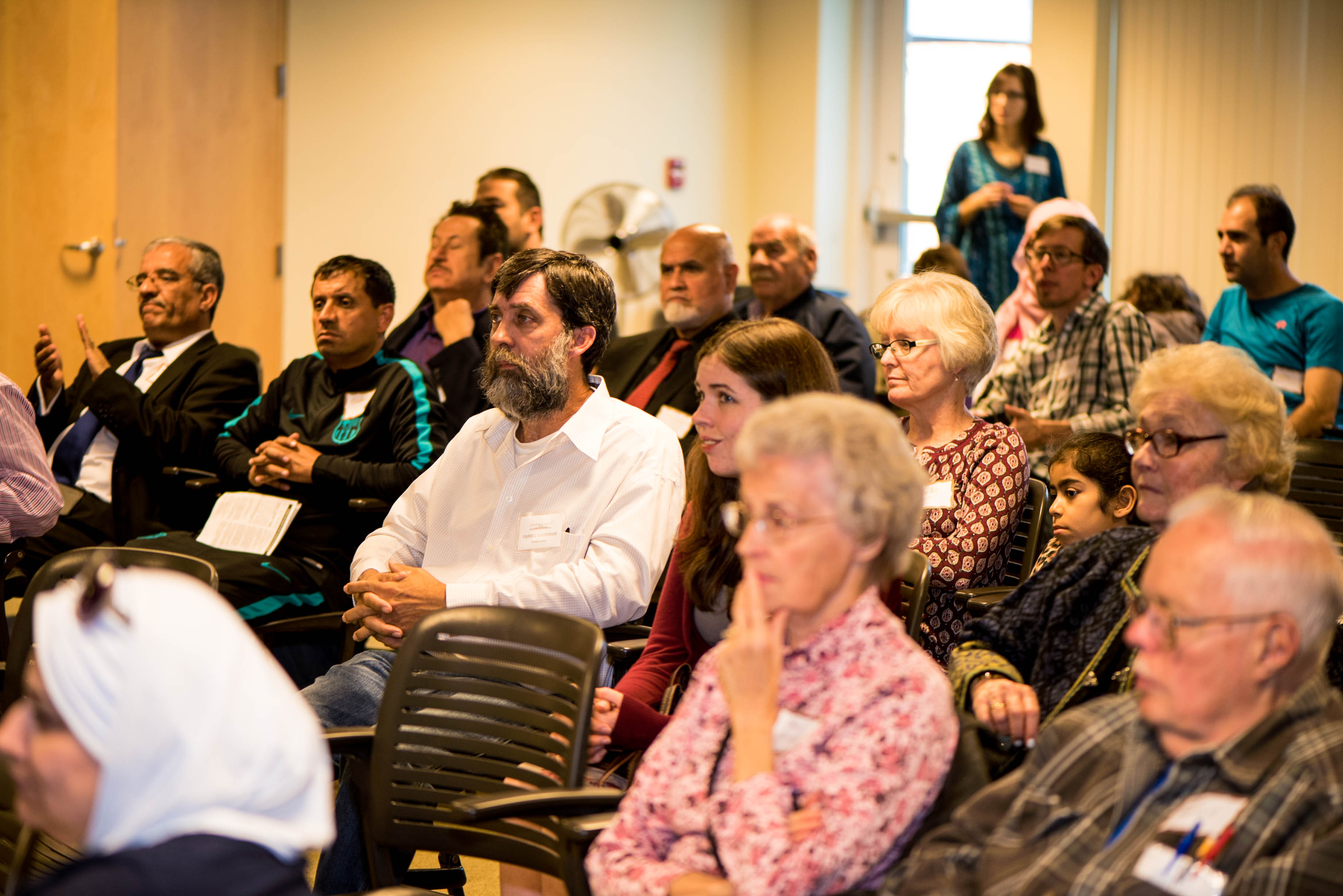
Last month I attended a free community event sponsored by Sabeel Media at the local library, discussing the response and the responsibility of the media to share the experiences and needs of refugees. One of the special presenters, Shane Lakatos of the Social Services for the Arab Community (SSFAC) in Toledo, challenged everyone at the event to think about the fear in our own hearts. We fear people we don’t know. And in fear, we tend to think the worst of them. Peter Twele, another special presenter and author of the book, Rubbing Shoulders in Yemen, emphasized that refugee families relocating simply need a friend if they are to successfully assimilate in a new culture. Not only have they left homes, families and jobs, they’ve lost neighborhoods, communities and connections. They need to build a new community of relationships.
So as I stood in the back of the Sabeel Media event, having arrived a little late, I started to think of my own response to the refugees joining my community.
So as I stood in the back of the Sabeel Media event, having arrived a little late, I started to think of my own response to the refugees joining my community. I can donate to the cause. I can pray for those who suffer. I can speak out for the needs of these new Americans. I can even volunteer for an event of handing out free backpacks to refugee kids starting school in a new country. As I was pondering my action points, I scanned the room of attendees and my eyes fell on a beautiful young woman dressed in a bright pink sweater with a coordinated floral scarf covering her head. I was surprised to realize that I knew her, and not only that, but that I had been thinking about her. I knew her by name. I had given backpacks to her kids at a volunteer event in September.
Scooching Over, My Point of Decision
I greeted her with quiet kisses so not as to disrupt the program, and continued to listen to the needs amidst the crisis. The needs are dire. The search for hope is essential for new Americans coming into our country. The presenters’ words rang in my ears, of our own fears, and of the refugees’ need for friendship and connection with such limited resources… What was I going to do about it? But what about my crazy American schedule? Do I have room in my life for a needy new friend? Not really. There’s work, prior commitments, grad school, kids, family.
This is a crisis we are all facing. It doesn’t just belong to some people and not others. We all need to scooch over and make room for one more in our lives.
But this is a crisis we are all facing. It doesn’t just belong to some people and not others. We all need to scoot in, scooch over, squeeze closer together, and make room for one more in our lives. My little bit of comfort in my “preferred aisle seat” isn’t a lot to give up, considering the woman I’m inviting to sit next to me really wants to settle her young family after fleeing devastation and living in temporary housing for over a year. She has her dignity. She doesn’t just want to be helped. She wants to go to school, get a job, help her kids learn English and assimilate into her new community. She’s ready to work hard; she just needs some help doing it. She’s one person, one name, one face. She is just one of the tired and the poor in the huddled masses, yearning to breathe free. She’s one woman I could call a friend. Who knows, I might end up being the needy one in our relationship and discover that my scooting over to fit one more into my life was actually to my benefit. I’ve had that happen before.
When I think about all the potential things we perceive a refugee to be: a foreigner among us, a neighbor, an enemy to fear, a widow or an orphan, or someone lost and needy…I can’t help but think of what Jesus the Messiah has to say about all of them. He says to love them. Love your neighbor as yourself. Love your enemy. Look after the widow, the orphan, the lost, the foreigner among you. Jesus the Messiah chose to love me without condition and with a love so compelling that I can’t help but be changed by it. Calling one young woman this week to make time to help her find a preschool for her son, sip some tea, and help her learn English is something I can do. I can be inconvenienced in that way. I can scoot over and make a little room in my world for one more.
Religion that God our Father accepts as pure and faultless is this: to look after orphans and widows in their distress and to keep oneself from being polluted by the world. St. James
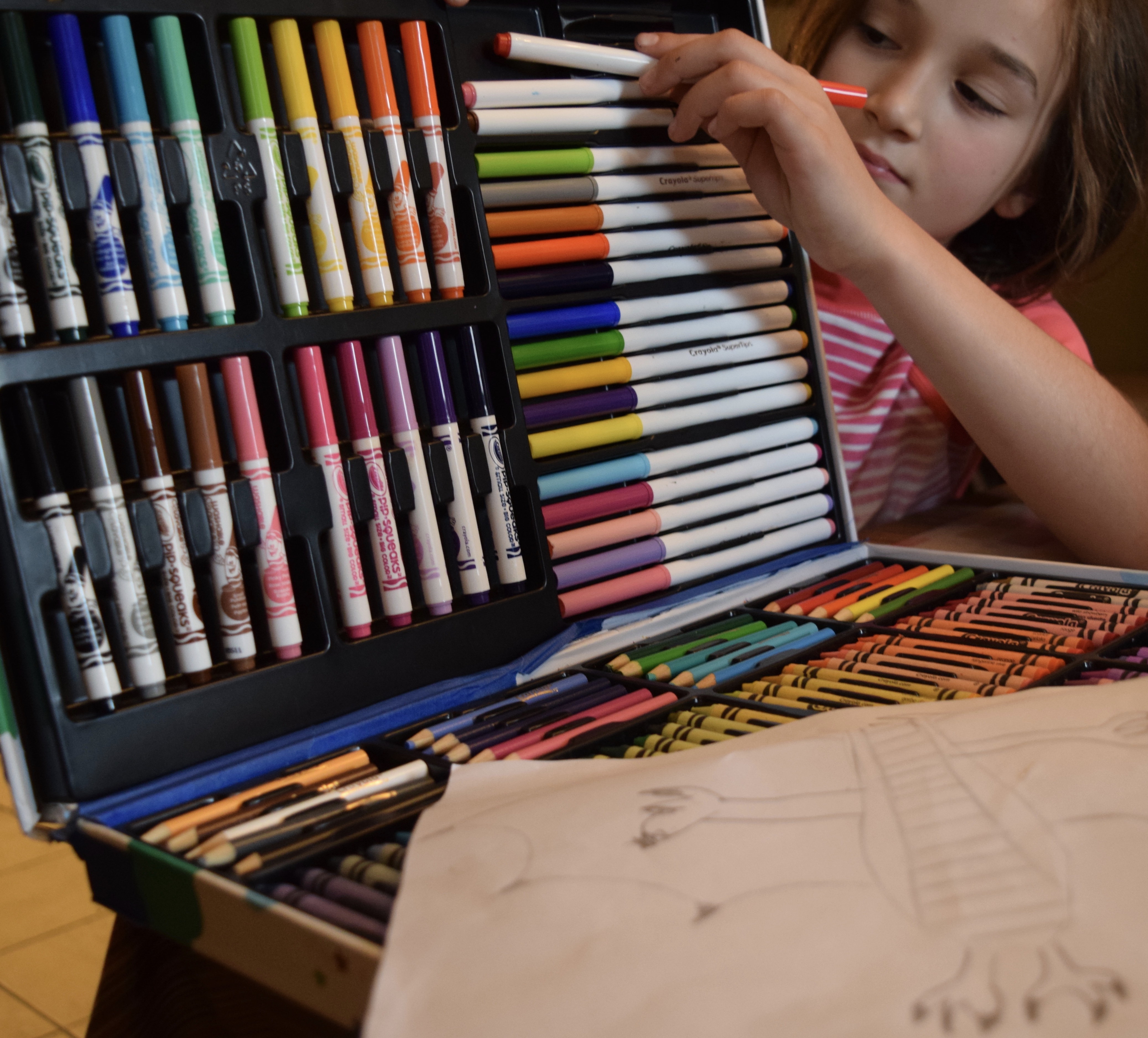
For her 9th birthday, Ella received an incredible Inspiration Case. It has every color in various forms to create unlimited possibilities. It’s where the tools meet the paper to draw out anything her imagination can fathom. Language is my inspiration case. I get giddy over the possibilities of punctuation or the playing on of words. It’s the place where form and meaning come together to express profundity.
Should vs. Could: A Tale to two Modals
A few weeks ago, as my husband Steve and I sauntered down the wedding reception buffet line I surveyed the dinner potentials. Should I get the Caesar or Raspberry Spinach salad? Should I try the chicken or beef? I ultimately chose chicken and spinach and sat down at table 18. As Steve joined me, he commented that I should have tried the beef, and shared a tasty bite with me. The great thing about being in a buffet line is that nothing had to beeither/or. Both/and was also possible. I could have both the beef and the chicken if I wanted to. I could go back for more salad.
Should and could. Both are auxiliary verbs. Phonetically, they are different by one minimal sound—the /sh/ vs. the /k/. Both are useful tools in just the right context. Everyone needs the color of mud in their Inspiration Case, but indigo is so much more fun to use. Should gets a lot more use in my inner dialogue and feels like a slow drain of phantom energy. Could on the other hand invites the possibility of joy and adventure. Should is a modal verb of doing the correct thing. Could is a modal expressing possibility or potential. Should and could function similarly in a sentence, but their use in the buffet line takes me down such different paths.
The Game of Possibility
Last week a job offer that I wasn’t even looking for fell into my lap. I came home in a panic trying to figure out the right thing to do. Should I say yes? Should I turn it down? After my beef vs. chicken experiment, I decided to change my inner line of questioning—the game of possibility. I could take this job. Then again, I could say no. Possibility and potential. I was freeing myself up to be inspired by the prospect of a new path, but not tied down to the obligation of what lay before me.
I love how my longtime, kindred spirit friend Kate sums it up in her blog post, Don’t should on me!:We all know the suffocating weight of living under “should”. Whether in eating or exercise, friendship or family, “should” robs us of joy and marches us forward with a dutiful sense of obligation…“Could” opens up our imagination and stirs up excitement about things to come.
She goes on to warn us, though, not to let an obligatory should insidiously sneak into our inspiration…it’s important not to “should” ourselves into positive thinking. Even reading this, we could conclude, “From now on I will say “could” instead of “should”. That would be nice, but I’m afraid it’s just a set up for another “should”. Instead, we can gain awareness about how our thoughts are coming to us. There are obligations in life. Having a sense of duty is not always bad, but we can still frame it in the excitement of “could” rather than the drudgery of “should”.
Sometimes Ella does use her inspiration case for required homework purposes, but having the right set of tools even for the obligatory stuff makes it more inspiring. Even then, she could choose the color of mud, but she could also choose the color of chocolate, or both/and. The possibilities are endless!
Masters in Language Learning (MALL) student Georgia Coats ends a successful year by leading group to Spain
Georgia Coats, a student in the MALL (Masters of Arts in Language Learning) program, had an amazingly successfully 2015-2106 academic year. She was awarded a Graduate Professional Scholarship to complete all but one course toward her degree. She developed a project that resulted in conference presentations at the Michigan World Languages Association and the Central States Conference on the Teaching of Foreign Languages (CSCTFL). Coats received funding for her conference travel through a WSU Humanities Center travel grant. And in an exciting culmination to that work, she published her first article titled Analyzing Song Lyrics as an Authentic Language Learning Opportunity in the CSCTFL conference proceedings.
To round out this impressive year, in May 2016 Coats led seven adults from her church to Málaga, Spain, where they worked on improvement projects at a retreat center. In a first-class example of the training provided in the MALL program, she prepared the group for their trip with information about Spanish and Arab cultures and with exposure to the language to enable the group to enjoy their time in Spain as well as make the most of their efforts at the retreat center.