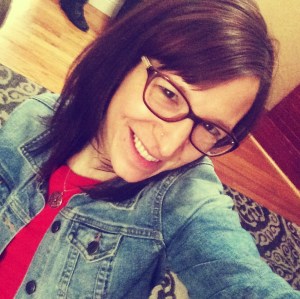
My Signature Blend

I weave stories in my field as a Language & Culture Empowerment Specialist—a learner, a teacher, and a seeker of hidden treasures in Diaspora spaces… 

How to consume my words: They pair well with a comfort beverage and a reflective space. They are crafted with wholesome, layered complexity, freshly selected thoughtfulness, signature & rhythmic repetitions, punctuated with a unique blend of precious perspective found in diverse and often marginalized corners of the globe and of human hearts.  Each ingredient is prayed through, wrestled with, & marinated in the life-giving words of Jesus. Not to say I always get it right.  I have definitely ruined a few recipes along the way—over seasoned, over cooked, too dry, too sappy.  

I am Greek-rooted, polysemic, and curiously linguistic… 

My Greek-rootedness has taught me to love nuance and embrace implicitly. I live among multilingual language learners, educators and linguists, but find joy in playing with and playing on words. I respect lists and laws but express myself in parables and poetry. In my mind I’m painting pictures worth about 1000+ words.  Polysemy is a fabulous Greek word that invites multiple possible meanings. It’s a blend of intentional wordplay to create open and personalized interpretations—to come away from my reflections with your own challenges, questions, thoughts and aspirations—to taste for yourself what is simmering.

I aspire to ethically sourced storytelling, marbled with brave, vulnerable introspection…

My relational connections are a profoundly significant part of my life. As a beloved friend, daughter, mother, teacher, mentor, wife, neighbor…I seek to honor the bold and distinct flavors others bring into my life. I prayerfully invite the people who have inspired my stories to get a taste of them first—and receive their feedback. In an effort to honor the impact of others and not to tell their stories without invitation, I write introspectively and share vulnerably.  

I am scattered…

I am privileged to have my hands in many pots filled with deliciously diverse delicacies. I embrace scattered as a defining characteristic of living in diaspora—from the Greek—those who are scattered from their homeland.  I find clarity and satisfaction when I simmer my curiosities, empathies, studies, & unique cultural experiences, and serve them in written form. My writing gathers the scattered parts into sense and meaning.

I am faith-based…

My faith has led to flourishing and compelled me on magnificent and tragic adventures I have lovingly and courageously followed my good, good Father into.  To express the deep things of the soul at a base level always contains elements of faith stirred in. I live and love in diverse contexts, and I love because God first loved me.

I am not thick-skinned… 

I am wired to be receptive and perceptive to linguistic patterns, human hearts, and cultural expressions. Attention to detail requires heightened sensitivities—noticing people and rhythms and hidden treasures that could easily get overlooked.

I flourish when I walk in my strengths of empathy and connectedness…

Like stillness and a steeping cup of tea—daily walks are a prayerful ritual for me to make sacred connections. Much of what I take in around me percolates and eventually spills out of these regular rhythms as I continue to figure out my blend of storytelling that truthfully reflects the joys and sorrows my heart has carried.  

Not all who wander are lost—but I probably am…

I’m gifted more with metaphors than with maps. I don’t stay in my lane, because I’m buzzing from flower to glorious flower. I’m often lost in thought or following rabbits down little trails while chewing on connected ideas. I go out of my way to collect rocks from the places I’ve traversed in solidarity with the people I’ve shared meals and stories with there. As I wander, I’m simultaneously pondering the moral of the children’s story of Stone Soup and wondering how my global rock collection connects to what it means to inherit the earth as Jesus said—maybe it’s one treasured stone at a time.  

I continually feed live, active cultures of chronic hope

I live in the brokenness of my body and the brokenness of this world while clinging to the promise that the fullness of life is available for all people. In this tension, resilience is activated, yielding a leaven of hope, ultimately rising to freshly baked bread—intended to be broken and shared in community.

I embrace health-nuttiness and a small spoon….

I don’t need to take up more space than I do. My sweet spot involves nutrient-dense, small portions of something deliciously inviting and often spontaneous—which is why I treasure the small spoon I carry with me. Chronically living with leukemia has freed me up to embrace both my health-nut tendencies and a lean budget, while seeking out culinary adventures among neighbors, and in community. It’s often over meals that neighbors become friends and community becomes family—when we share a part of ourselves. 

I serve generous portions… 

Through unsuccessfully aspiring to succinctness, I am learning not to let word counts be my definitive limitation. I am the only one with my unique perspective. So, I invite you to savor my signature blend of detail like a delicately and expertly prepared dish made for you to taste and share. I pray that it may satisfy the souls of those who choose to break bread with me. You are welcome.

Philoxenia: Greek-Rooted Reflections on the Art of Welcome & World Refugee Day 2025

* My Signature Blend: As a Language & Culture Empowerment Specialist, I weave stories in Diaspora spaces. How to consume my words: They pair well with a comfort beverage and a reflective space. They are crafted with wholesome, layered complexity, freshly selected thoughtfulness, rhythmic repetitions, punctuated with a unique blend of precious perspective found in diverse and often marginalized corners of the globe and of human hearts.  Each ingredient is prayed through, wrestled with, & marinated in hope. I invite you to savor my signature blend of detail like a delicately prepared dish made for you to taste and share. I pray that it may satisfy the souls of those who choose to break bread with me. Welcome!

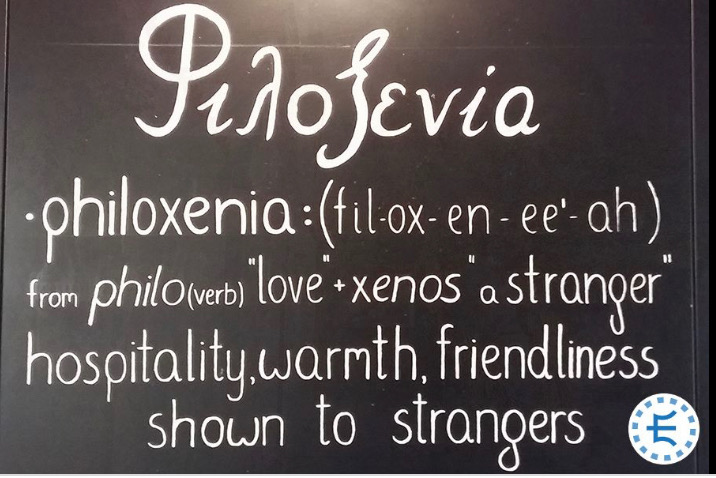
Philo—love;  xenos—stranger, foreigner, or guest.  

Philoxenia is a brilliant Greek word that has no synonym in English.  My proud Greek father will tell you there are a litany of words borrowed from the Greek because the ancient language excels in nuance and precision.

Philoxenia embodies the profound and ancient Greek concept of hospitality. An important cultural and moral value in Greek culture, it emphasizes generosity and welcome towards visitors, particularly those who are from foreign lands.

Principle #1: Greeks not only excel at nuanced language, but also at the nuances of hosting others. 

I’ve lived among overwhelmingly amazing Greek hosts my whole life.  Cultivated in diaspora—on the fringes of my Greek-immigrant community, I never dared to live up to the quality of hosting that has lived on in generations of Greek homes and legends since the beginning of time.

Principle #2: A good Greek hostess always remembers her guests by what they like and dislike.  

I married a xeno. My non-Greek husband was first welcomed into my extended Greek family with a message that pre-circulated his arrival at every Greek dinner table: he will not eat tomatoes. Noted. Everyone knew his waywardness with village salads—that he more than made up for with eager seconds on every other homemade delight.

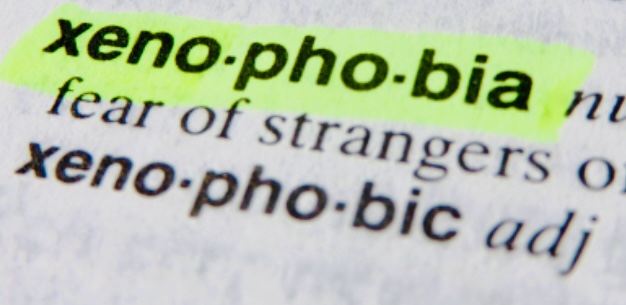
Phobia—an intense, irrational fear. Xenophobia is the fear or hatred of strangers, and quite literally the opposite of philoxenia.

Xenophobia is a present reality for so many foreigners who flee from one place to another. There are messages of hatred and distrust that pre-circulate their arrival before they ever have a chance to come to the table.

World Refugee Day Preparations

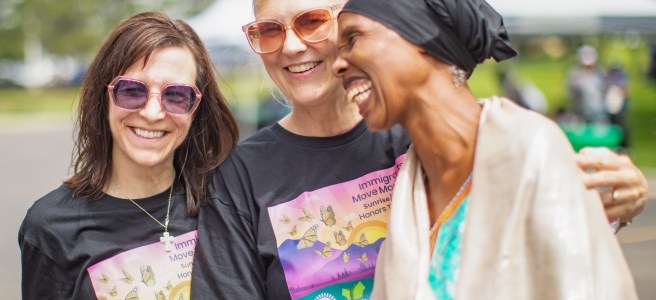
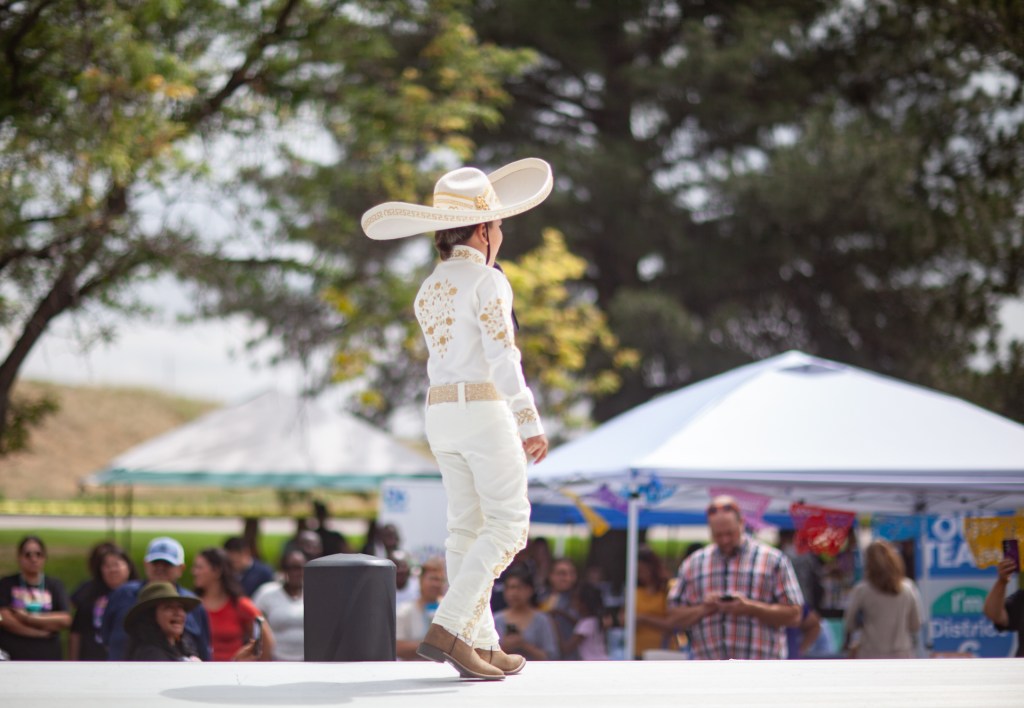
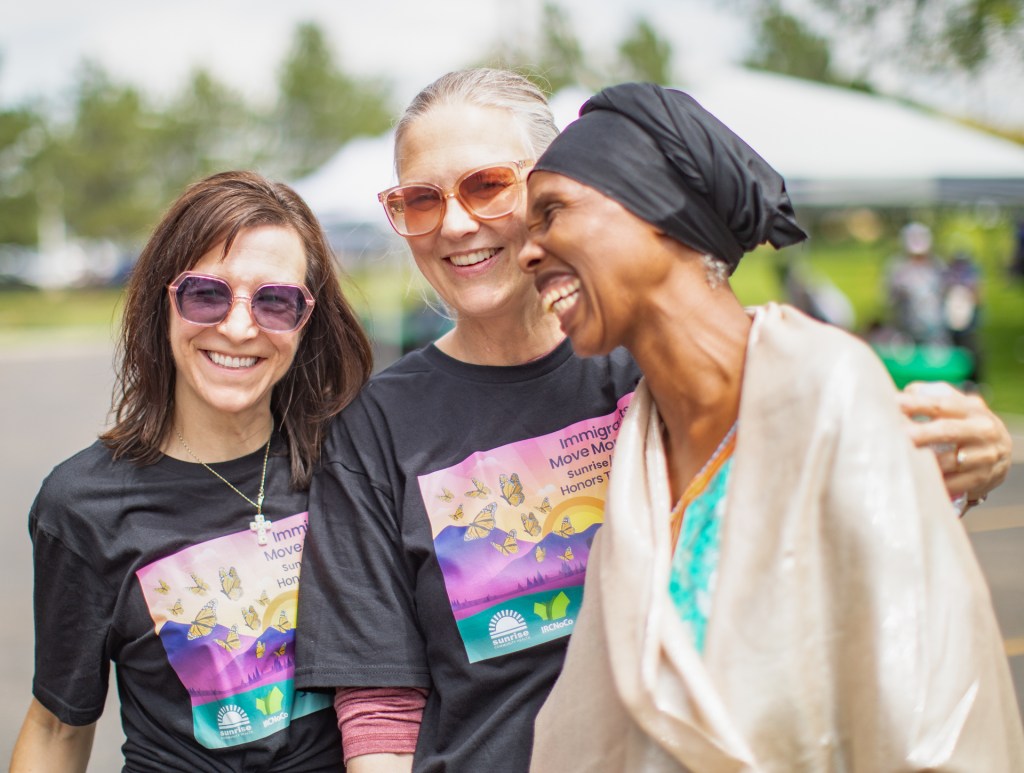
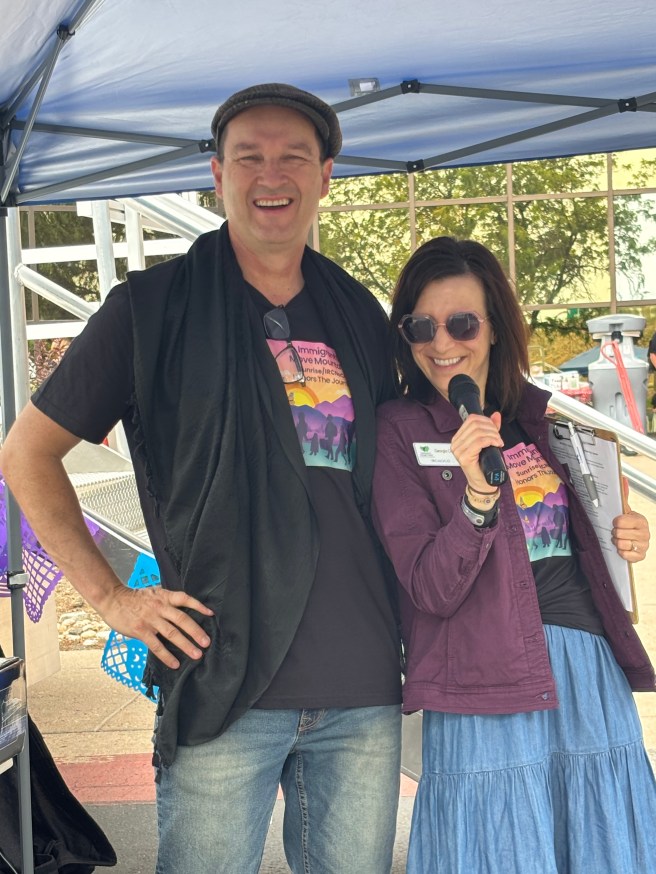
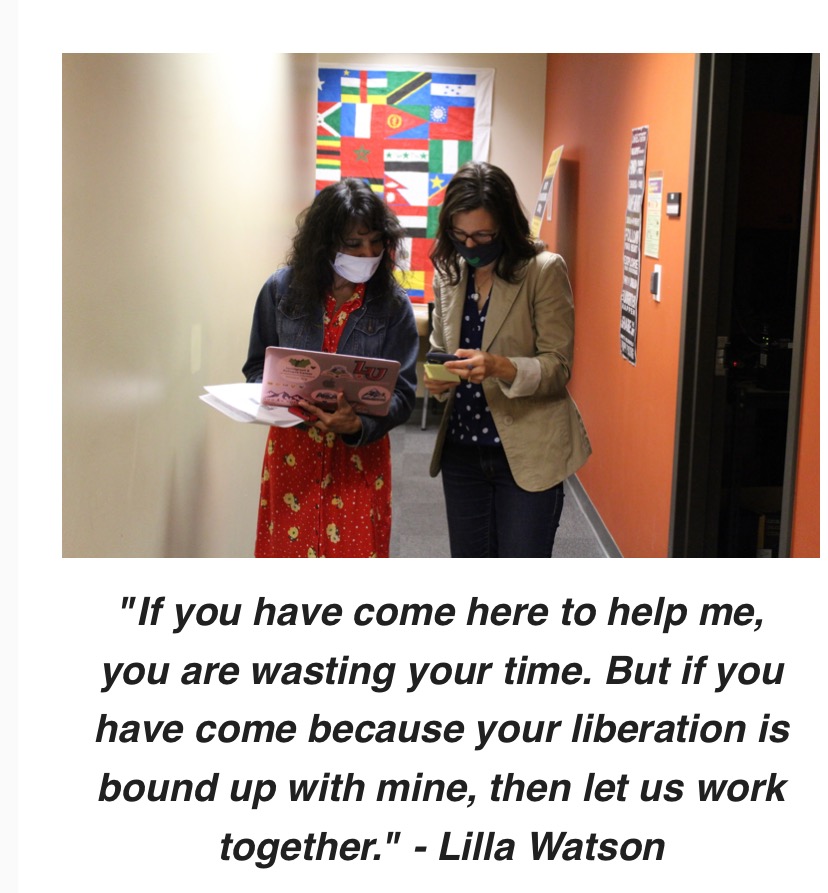
As an Empowerment Coordinator at our local Immigrant and Refugee Center, I was appointed by our strategic and fun-loving Mexican Directora to be the hostess of our World Refugee Day event. We wanted to host a party for our clients—a day to really celebrate them and prepare a place for them to feel at home. Our clients come from a myriad of nations that are currently on a travel ban list in 2025. Others face insurmountable walls and seek temporary protections from life-threatening dangers.  

I didn’t realize I possessed any of the hostessing prowess of my ancestors until my boss invited me into that role. My goal? To make our clients from every language group feel welcome and that this event was for them.   

Applying Greek Hostessing Principle #1: The best way to express safe, welcoming spaces for everyone was to start with the nuanced details of good music, carefully selected cuisine, and familiar faces.

Applying Greek Hostessing Principle #2: I made my list of what I knew people liked and didn’t like from previous mental notes: 

  • Halal and vegetarian food markers for our Muslim friends
  • A carefully selected variety of cultural music that moves people to dance or sing or smile
  • A space where the children feel free to dance and play.

Will my Eritrean friends feel like this event is for them?  

The unique sounds of ancient Eritrean instruments and rhythms were first to burst forth from the borrowed sound system.  With a glint in her eye, one of my regular Eritrean clients stepped forward and then back.  As I moved in to greet her, I discovered myself joining her dance.  Tiny steps forward and tiny steps back.  Then shoulder shrugs and head leans. I wasn’t in it for mastery; I simply received the invitation to join something wonderful.  Before I knew it many more familiar faces appeared on either side of me.  Women and their babies I had often sipped tea and broke bread—hembasha bread—with. My Eritrean friends gleamed as they savored a small feeling of home in a culture so far from it. 

Will my Rohingya, Somali, and other Muslim friends have food to eat, and know it’s for them?

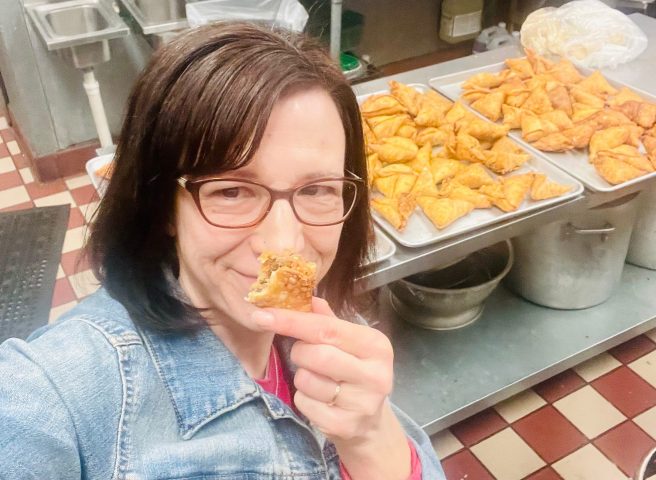
I handed over the halal and vegetarian labels that I had carefully prepared to our Somali intern. She was delighted as we discussed the importance of our Muslim guests knowing that food was thoughtfully prepared with them in mind. We had even figured out a way to hire one of our local Rohingya chefs to make 300 spicy, halal meat and potato sambusas for our event.  I found myself doing a little Eritrean-inspired shoulder shrug happy dance as I bit into one.

How can I support my brave Haitian friend in her big stage performance? 

I gave my beautiful friend a warm introduction as she courageously climbed the stairs of the 4-foot stage anticipating her solo in Haitian Creole. I explained to the gathering crowd that her song expressed a prayer for her beloved Haiti.  She rose up—her voice, her body, her words—as did the Haitians in the crowd, with their cameras and connection to their language, their homeland, and the words of her song. Another dear Haitian friend spontaneously leapt onto the stage, grabbing the singer by the hand and twisting her in his arms while she boldly belted out her tune. I felt honored to share in that brief moment with the singer—and to witness the spark in her spontaneous dance partner’s eyes that joyfully lit up his whole face.

Our staff, volunteers, and community partners extended invitations. People ate well and danced well and smiled as their little ones played. We worked hard to serve each other well. It wasn’t just about Eritrean music, Somali friends, Rohingya cuisine, Haitian inspiration, and our interactive Mexican mercadito.  It was about sharing moments of connection among friends in community. It just happened that our community is gloriously diverse in all its expressions. 

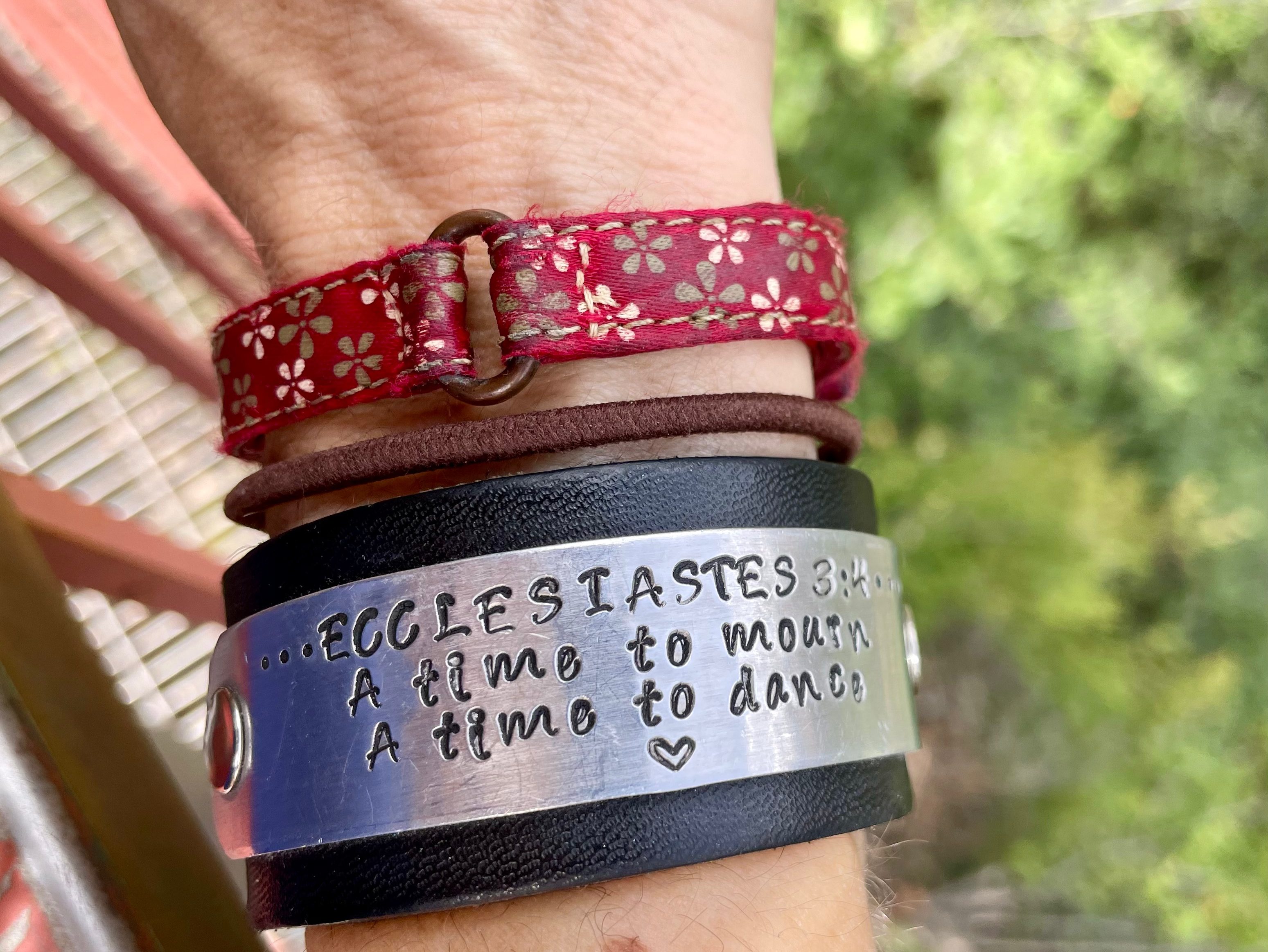
~There is a time to mourn and a time to dance.~

Flourishing and struggling are not strangers—to love is to grieve and to welcome the stranger and walk alongside them on their journey means we also see the challenges they’re up against. We took the time to dance with friends from a myriad of ethnolinguistic groups.  A few days later we mourned the realities of how much harder it will be for them to live and work and flourish in this country they are trying so hard to call home.

Inflammation occurs in the body when one part becomes reddened, hot, swollen, and painful as a reaction to an injury or infection.

Our world is inflamed. Conflicts are harder to resolve peaceably. Bodies are increasingly broken. Homes, communities, and families are forcibly uprooted and displaced. Rubble and bombs inflame the earth. The casualties tend to be the ones who are already the most vulnerable. Everything around the xenos feels more inflamed. 

When we know what is inflamed, we can pay attention to it.  Then we can diagnose it and move forward as healers in hurting spaces. Until then, we mourn. My deep faith compels me to mourn with those who mourn, and to acknowledge the inflammation around the bodies, minds, and spirits of those who are vulnerable.

But we also dance. We danced that day because most days at our Immigrant and Refugee Center we face challenges. We dance to share in each other’s joy and release some of our pain. The privilege of the dance is also the honor to hold another’s grief—that is what makes the dance so beholden.  

We celebrate philoxenia because xenophobia is palpable.  

I had a new sense of my Greek-rootedness—cultivated in a beloved diaspora community. In our small corner of the world that welcomes foreigners as honored guests, philoxenia abounds. As I marinate on the manifold experience of World Refugee Day 2025, I realize that I was the strange one being generously welcomed into the joy-filled spaces among friendly faces of our wonderfully diverse community. 

Let us be relentlessly hopeful as we receive the sacred invitations of a loving God to His attentive children. Welcome! Walk with me. Join the unforced rhythms of my grace—the treasures and the smiles and the symphonic beauty of it all. Philoxenia—you are welcome here, with me—in welcoming others.

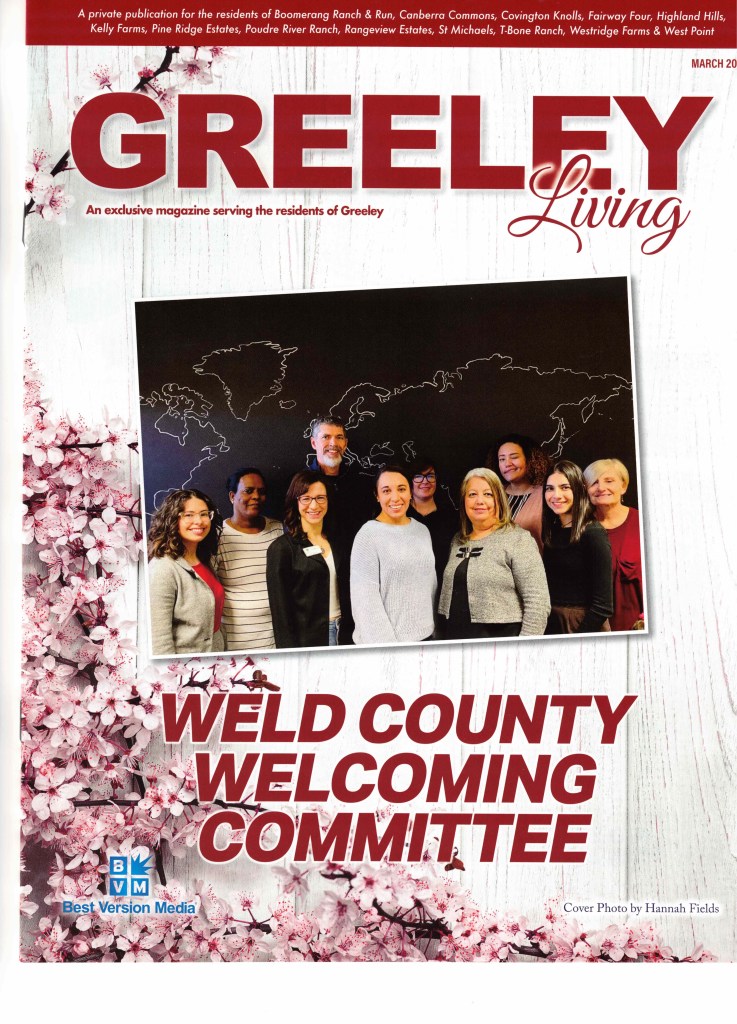
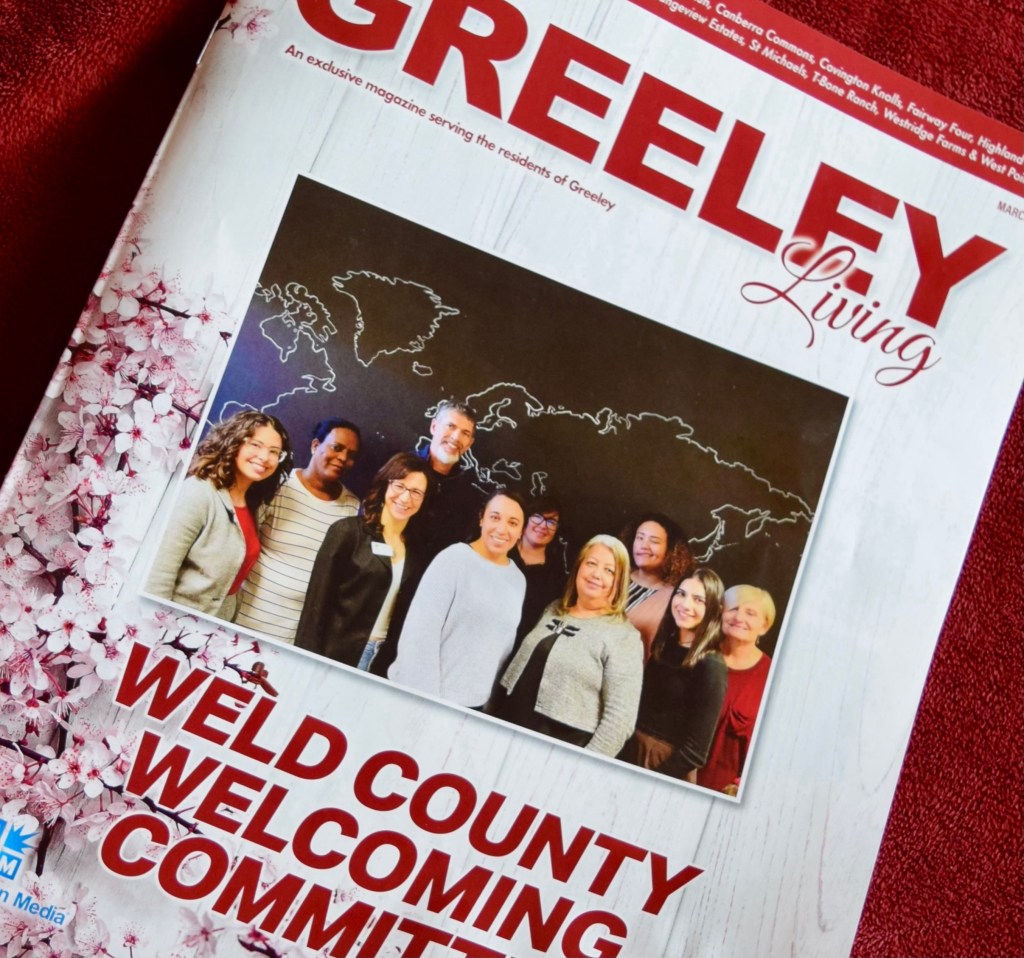
Weld County Welcoming Committee

I’m grateful for the invitation to do an interview with Greeley Living Magazine for the March 2023 issue. I love being a part of my diverse community!

Empower – Connect – Advocate

Located on 8th Avenue, the Immigrant and Refugee Center of Northern Colorado (IRCNOCO) has been serving the community since 2017, when the Immigrant and Refugee Center of Northern Colorado began as a combined operation between Right to Read of Weld County and the Global Refugee Center. Rather than providing English language training to some clients and Community Navigation services to others, becoming one, larger organization meant that they could be reaching more of our clients’ needs by making their services into one efficient, effective process in one location.

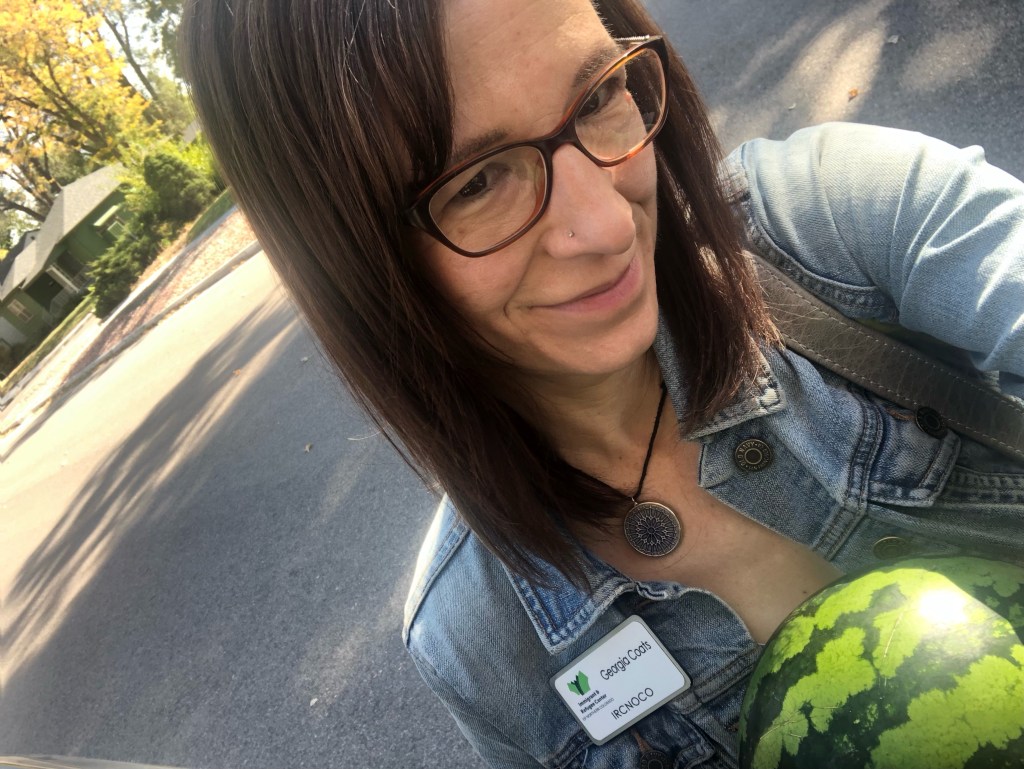
Explains IRCNOCO Community Navigator, Georgia Coats, “The driving force behind our mission is successful integration where immigrants and refugees have a place to resettle and call home—a place to thrive and a place where healthy integration means that they feel like they belong and have good things to give and receive in community.”

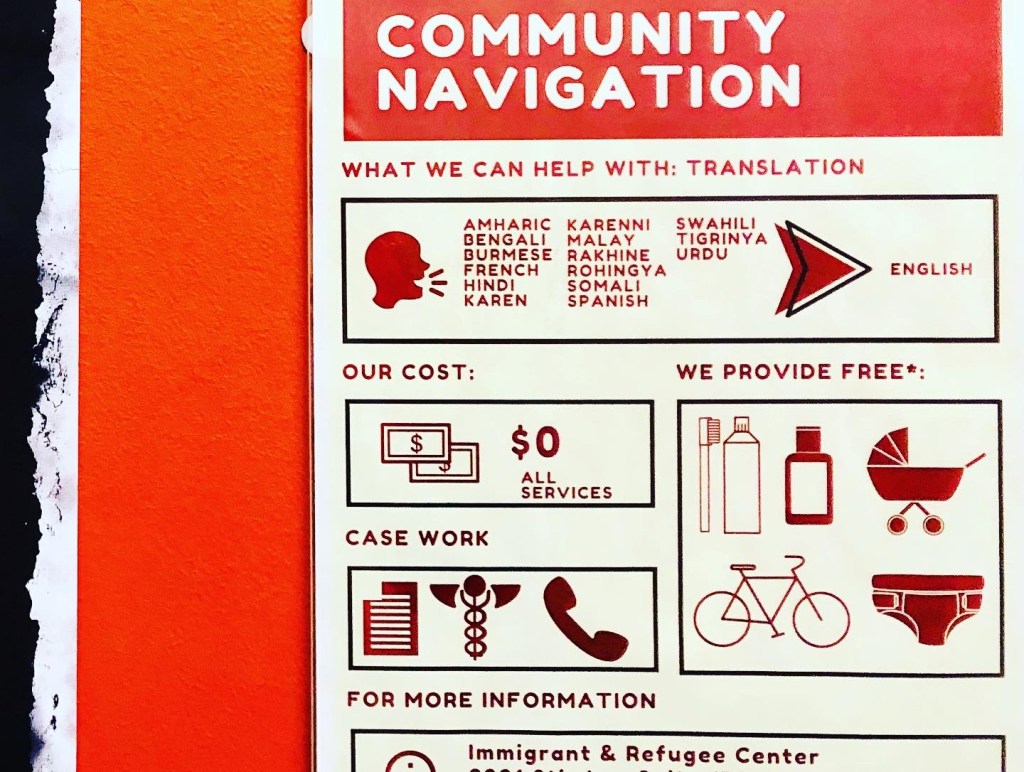
Some of the services they provide include individualized case management and employment support for refugee clients, translation of relevant documents and information into various languages for their clients and families, assisting community members through the process of becoming United States Citizens through Citizenship classes and interview preparation sessions, and providing resources such as tablets and hotspots to help facilitate digital literacy. They also have a variety of educational courses for their clients, including a “Little Learners” program for preschoolers, and a Women’s’ Empowerment group. 

A daughter of Greek immigrants herself, this organization is near and dear to Georgia Coats’ heart. “I have always lived in diverse communities where multiple languages and cultures have enriched my life. I was born into a Greek Immigrant community in Denver and have lived among various diverse groups of immigrants and refugees ever since. I have a BA in Spanish and Bilingual Education from UNC, and an MA in Language Learning & Linguistics from Wayne State University in Detroit. My husband and I lived in Dearborn, Michigan, where we worked in an Arabic-speaking Muslim community for 17 years.”

In 2018, the Coats family, now grown to five members, returned to Colorado and settled in Greeley. “Though we still grieve the loss of easy access to falafel, waffles are an important staple for Saturday morning breakfast. I’ve been a language learner my whole life—starting with Greek, then Spanish, then dabbling in Arabic. I’ve learned some things more successfully than others—but my lack of success in some language learning contexts has made me a more compassionate language instructor and language learning coach. In addition to my parttime work at IRCNOCO, my husband and I also work with another nonprofit that focuses on ethnolinguistic communities worldwide.”

Women’s Empowerment

Georgia joined the IRCNOCO mission in 2020 as a Community Navigator, a big change from teaching English. “Teaching was a place where I could work out of my strengths. Being a Community Navigator, however, takes all my language and culture skills but also challenges me to take a more vulnerable posture of humility.”

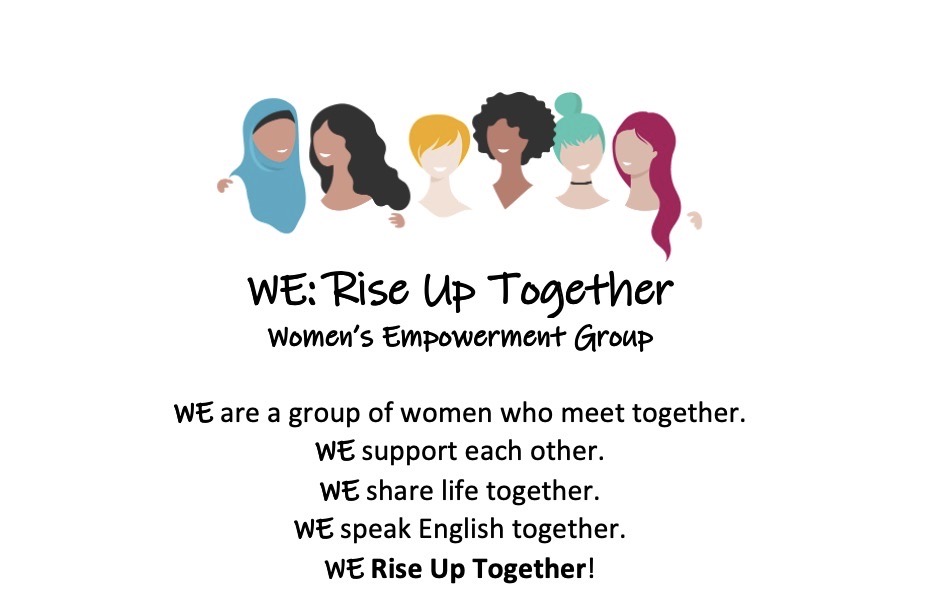
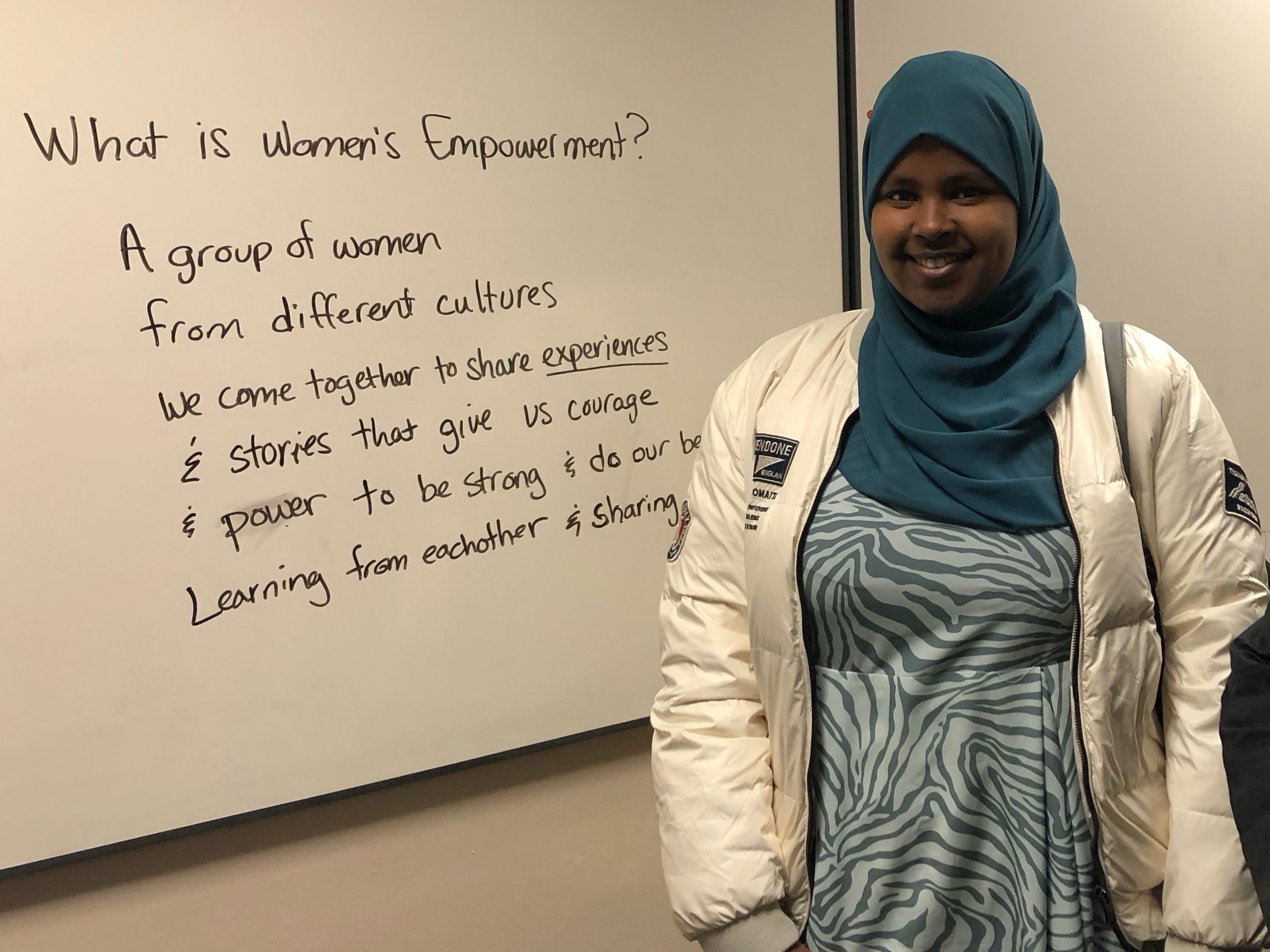
In 2020, she also began to gather women together at the center for the Women’s Empowerment Group. “We have grown into a small group of tenacious women from six different countries who seek to lift each other up towards our goals and dreams and be supportive of each other’s journeys. We believe that girls with dreams become women of vision.”   

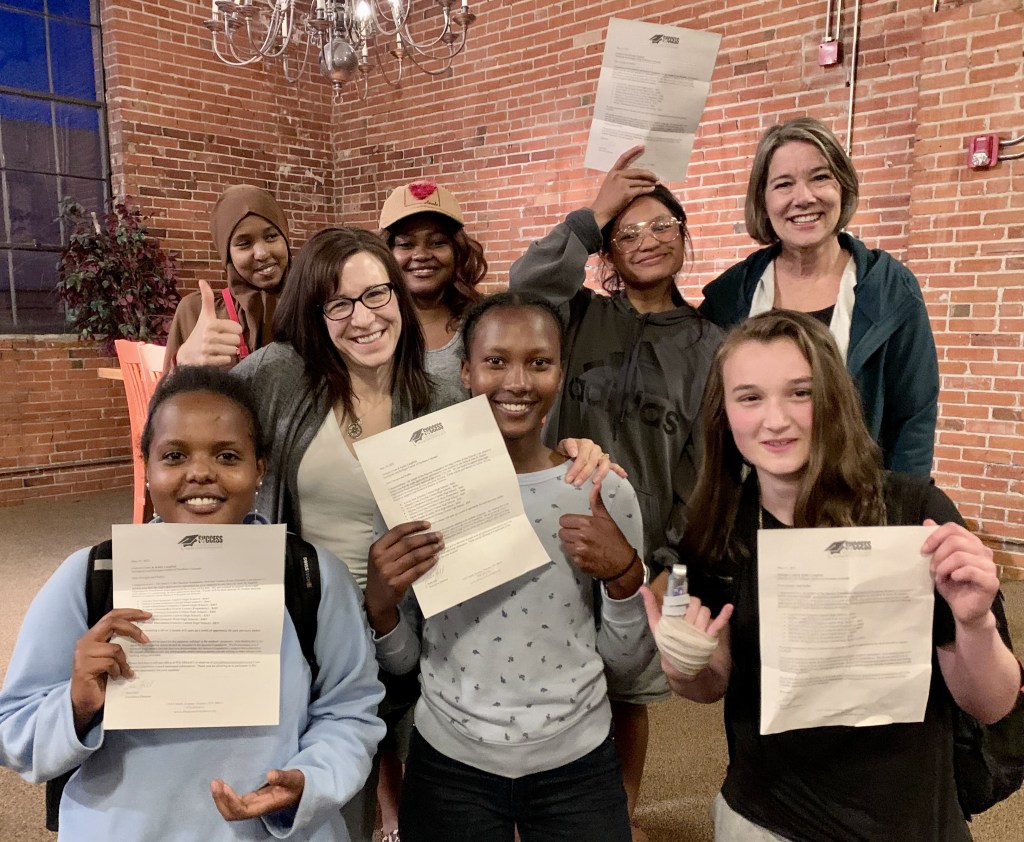
They’ve seen that same support in the larger Greeley community as well. “An outpouring of serving with my local church and working part time at the IRCNOCO has led me into a beautiful community cross-section called Zoe’s Study Buddies,” says Georgia. Study Buddies started as a group of high school kids from refugee backgrounds asking for one-to-one academic tutoring. Many of these teens come from the families that they serve at the IRCNOCO.

“My colleague, Kathy, and my neighbor Emma, and I began to respond to this need for tutoring in various ways.  We now have 8-12 highly motivated teens from at least 6 different language groups who receive academic support and a warm beverage on Tuesday nights at Zoe’s Café in downtown Greeley!  We’ve become more than a tutoring group, though, we’re more like a big, bustling family of teens, tutors, drivers, and a growing sense of belonging.”

Mohamed and the Thanksgiving Turkeys

And this community support goes both ways. “Our clients at IRCNOCO are often very grateful for the services we provide and find ways to be generous with us when they have the opportunity,” she says. Recently, they saw this when a client named Mohammed came in the week before Thanksgiving wanting to gift IRCNOCO Office Manager, Tony, with three large frozen turkeys. Mohammed, who doesn’t celebrate Thanksgiving, works at a meat processing facility and his workplace gave him the turkeys as a holiday bonus. He was eager to share his bonus with his friends and immediately thought of some of his American friends who might appreciate such a gift.  

When he showed up at the IRCNOCO with his abundant supply of frozen poultry, they had to act fast to keep his gift from going to waste. “Tony asked if there was a way I could take them home to keep them frozen so they wouldn’t spoil. I quickly called my husband, who came by the center to temporarily store the birds in our freezer.”

The next challenge was what to do with the turkeys, as most people had already gotten theirs! Thankfully, they were able to find families to give them to using their networks at church. “I felt like I was in just the right place at just the right time—to receive the turkeys from Mohammed via Tony, send them to the deep freezer with my husband, and then have the privilege of giving two of them to these other community members. Giving and receiving is a crucial part of healthy community and belonging,” Georgia concluded.

When asked about what she loves most about IRCNOCO, Georgia said, “I love the idea that people moved westward and into this High Plains area of Colorado in search of something better for their lives.  It takes a courageous spirit to leave the familiar and explore new frontiers; and I see that kind of passion for discovery and innovation woven into the culture of our community. Similarly, the newcomers looking to resettle here from places like Burma, Somalia, and other parts of Africa, Asia, and South America are seeking the promise of a better life and a safe place for their families to belong and thrive.” 

In parting, Georgia had this call to action for readers. “As a community, we have the unique opportunity to continue to nurture that spirit of new frontiers for these diverse populations. As they are able to successfully integrate here, they deepen and enrich our culture that is unique to Greeley and this High Plains area. I hope to see more and more of us on the ‘welcoming committee’ for those who want to call Weld County their home.”

WE: Women’s Empowerment at the Immigrant and Refugee Center

Women’s Empowerment is about Showing Up.

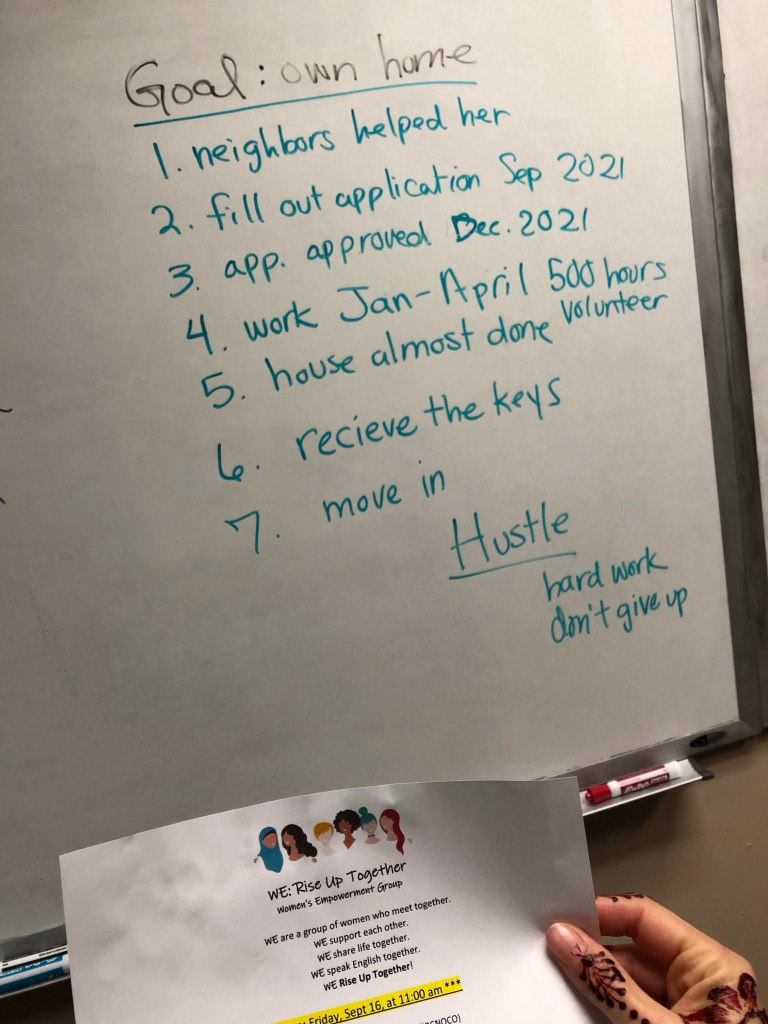
In September, our key word was hustle. The women in our group are hustling to own their own homes, get degrees, run their households, care for littles learn to drive–all while regularly showing up for English classes at IRCNOCO and learning learning to thrive in their new community.

Women’s Empowerment is about Lifting Each Other Up.

In October WE shared goals that we’ve already accomplished, which opened space for others to ask questions and celebrate each other’s successes.  WE also shared new aspirations, lifting each other up with empathy and bravery.

Women’s Empowerment is about Rising Up Together: Past our barriers, towards our dreams

In November, five women from our group filled out applications to work as interpreters, teaching assistants, and preschool teachers in our local schools at our school district’s Hiring Event.  Such a win—together!

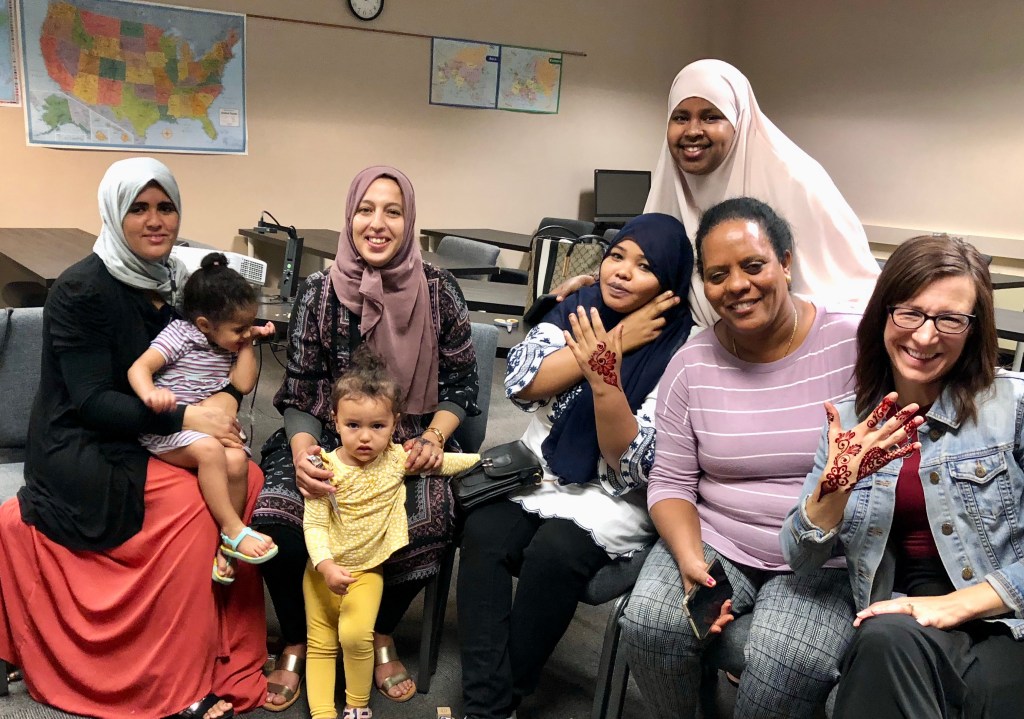
The Immigrant and Refugee Center of Northern Colorado is an organization that empowers immimmigrants and refugees, connects communities, and advocates for successful integration. One part of our programming that helps do this is Women’s Empowerment. I have the privilege of joining these women as our Women’s Empowerment Coordinator.

RISE UP: Women’s Empowerment Lesson 3

I have been on a significant journey towards understanding Women’s Empowerment within me:

🌀 Lesson 1: the self discipline to GET UP—even when it’s hard

🌀 Lesson 2: the love to LIFT UP

🌀 Lesson 3: the power to RISE UP

This is my third lesson…

Over the years I have found great inner strength from incredible people who have lifted me upwards.  Afterall, lifting each other up is a privilege of loving and being loved.  But even with all the inner and outer strength of many hands, some things must rise up—beyond what we are capable of lifting.

Em-Power-Ment Requires a Power Source

And I’ll rise up, I’ll rise like the day

I’ll rise up, I’ll rise unafraid,

I’ll rise up, And I’ll do it a thousand times again…

Andra Day

This song has been a quarantine anthem.  It played during multiple montages of nurses and doctors relentlessly fighting for the lives of others when the pandemic began.  It was playing when I fell off my ripstick and decided to get back up again.  It played as I walked my neighborhood during cloudy times, wondering why I was hesitant to start up Women’s Empowerment again, after potentially putting women at risk of COVID-19.  

It played during Lent of 2021 as I thought of Jesus rising up and doing it again every Easter—thousands of times—as we celebrate such empowerment.  He claimed agency over laying down and raising up his own life—a divine power source.

RISE UP:

My third lesson in being empowered is learning to imagine things that are beyond us.  Daring to speak our dreams out loud.  This requires external power sources. 

I’ll rise like the day… Semantically speaking, a day can’t rise itself.  It’s not the agent of rising. It needs to be risen up.

As Easter 2022 gets closer, I’m pondering an empowered Jesus who conquered the impossible barrier of death. Though in myself I am limited, I don’t have to accept a timid spirit.  Rather, I’m growing in my embrace of a Spirit that has the power to rise up, the love to lift up, and the self-discipline to get up—a thousand times again for the things that matter.

The whisper to my spirit is clear…

Get back up and invite the women you know.  Don’t give up on this important journey of Women’s Empowerment.

Be lifted up.  Invite these sisters courageously into your vulnerable spaces of fear and falling and failure. Sip tea together and talk about the dreams we had as little girls, and the goals we persist in, and the visions we have of our futures.  

Rise up.  Dare to form bonds of friendship and speak impossible dreams out loud.

Women’s Empowerment has been resurrected.  I invited my friends of varying languages and religious backgrounds—women who have invited me into their vulnerable places where I’ve had the privilege of lifting them up towards their goals.  This was a vulnerable place for me.  I can’t succeed at Women’s Empowerment without women who show up.  I needed my sisters to come. And they did. And it has been so worth the risk of failing and trying again.

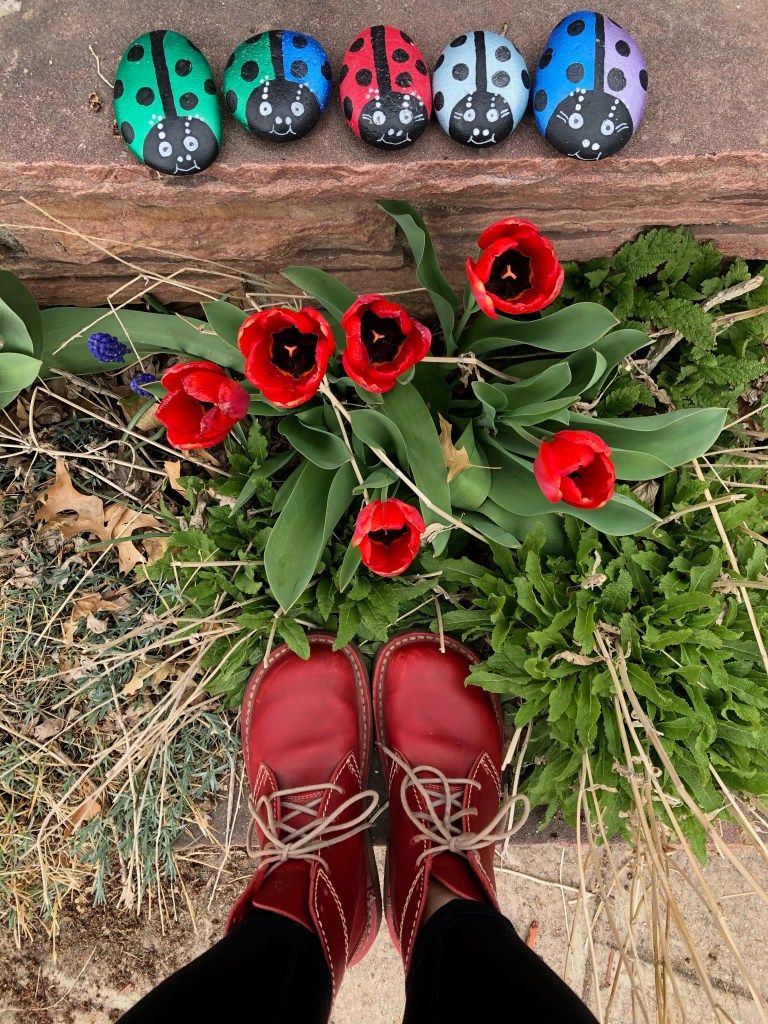
We must continually get ourselves up and lift each other up in order to imagine collectively rising up.  I shift often between reliable running shoes for persevering towards things that are important, to cozy slippers in merciful spaces, to badass boots for fighting injustice.  Because getting up, lifting up and rising up all require different things—and as empowered women, we learn, some more awkwardly than others, to wear them all.

LIFT UP: Women’s Empowerment Lesson 2

I have been on a significant journey towards understanding Women’s Empowerment within me:

🌀 Lesson 1: the self discipline to GET UP—even when it’s hard

🌀 Lesson 2: the love to LIFT UP

🌀 Lesson 3: the power to RISE UP

This is my second lesson…

If humility is learning to live for the sake of others, then I needed to move on from my preoccupation with falling and failing—and the differences between them—and focus on the art of lifting.

Empowered Women Lift Each Other Up

I was still sore about potentially putting women at risk of COVID-19 instead of figuring out how to empower them.  So, I dove into another challenge with just the right amount of overwhelming and satisfying.  I was learning to be a Community Navigator at our local Immigrant and Refugee Center. 

I loved those words.  I really wanted to grasp the essence of community.  And I was already a horrible navigator of physical streets, but the thought of learning how to help resettling refugees navigate my beloved community felt like the perfect challenge.

Turns out Part Time Community Navigator is the perfect journey of learning to live for the sake of others.  Hours of filling out forms that will hopefully remove just one of a gazillion impossible barriers that newcomers face as they bravely transition to a new world, in a new language, with limited resources.  Turns out delving into the vulnerable circumstances of people’s lives, loved ones, and longings in order to fill out spaces on a form felt something like washing other people’s feet.

As a person who slips comfortably into a place of mercy, justice feels difficult to maneuver around in. This is precisely why I owned sparkly combat boots—to embrace a new aspect of myself.  In this new navigator role I was barely scratching the surface of understanding injustice and privilege as I listened repeatedly to the monotonous melodies of WAITING ON HOLD with one government office or another on behalf of a client and their specific need.  And every time a client got one step closer to their goal, I would lift my hands up in a celebratory cheer.  Turns out that mercy, grace, and kindness towards someone facing injustice can really split a heart wide open.  And when that happens, boundaries and zoning areas of comfort and capacity explode into beautiful chaos.  

Turns out that:

Mercy pairs with justice.

Gentleness is a form of harnessed power.

Grace pours out of abundance.

I was learning to lift others up.  I was learning to celebrate the big and small wins of many courageous people who welcomed me into their vulnerable spaces.

LIFT UP:  

My second lesson in being empowered is learning to help someone else reach their goals.  And… inviting others into reaching my own—the things we can’t do just on our own.  Carrying each other’s heavy loads, together.

I love grammar and words and the linguistic study of Semantics.  Some verbs require an agent:

Example: My friends and I carried the couch up the stairs.  

My friends and I are the agents in this sentence.  The couch was acted upon.  My friends and I used our strength and decision-making skills to complete a goal together.  That’s agency, and heavy lifting.  That involves me putting down my own important stuff for a moment so I can put all my strength into lifting something that requires many hands.

Strength is limited. We can’t do heavy lifting alone or for long.  We need to know that lifting is getting us somewhere—that there’s an end goal. 

So many dear people have lifted me upwards over the years.  And lifting others up is a privilege of loving and being loved.

GET UP: Women’s Empowerment Lesson 1

I have been on a significant journey towards understanding Women’s Empowerment within me:

🌀 Lesson 1: the self discipline to GET UP—even when it’s hard

🌀 Lesson 2: the love to LIFT UP

🌀 Lesson 3: the power to RISE UP

This is my first lesson

“Will you consider heading up our Women’s Empowerment group?”  

That was the question the Director of our local Immigrant and Refugee Center asked me, at a safe distance across her office, during the unprecedented pandemical summer of 2020.  

YES! and That’s CRAZY! and I have no idea what that means… all mixed into my teary-eyed, masked-face, foggy-glasses response.  What an awkward impression to make in an important work meeting—I couldn’t see clearly.  Feeling isolated during quarantine, my heart craved significance and being a part of things that are bigger than me, so I agreed to ponder her proposal. Contemplation for me usually involves key words, root words, related words—word clouds storming around in my brain.  I went home and scribbled empower across a blank page in my imagination and began to storm.

Empowered Women are Power-full

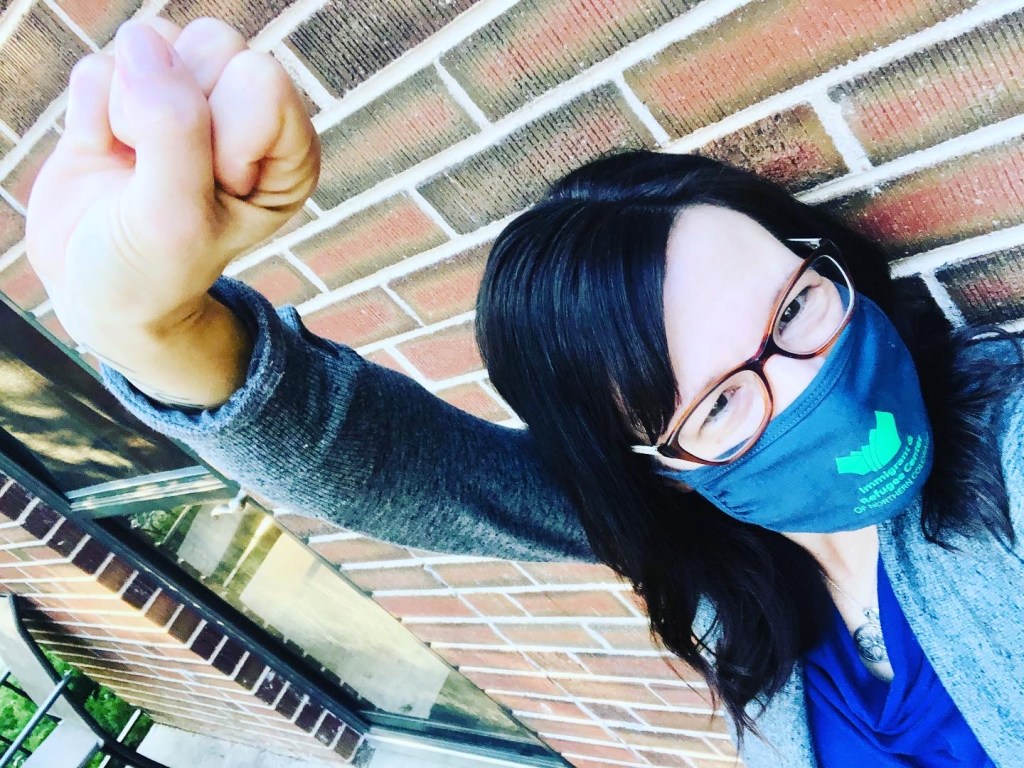
I don’t see myself as powerless, but I haven’t yet embraced powerful as one of the things that I am either. Attempting badass, I decided to lace up my thick-soled combat boots, and I’m still trying to break in the stiff fit.  I waffle between confident and clumsy, especially with a face mask and fogged up glasses.  

How badass can an already awkward, middle-aged mother of 3 even be?  

Mercy, grace, and gentle kindness.  I gravitate to these cozy words like I do towards a cup of chamomile tea at home in my fleece-lined slippers.  These are the soft places where I want to come alongside others.  But power, justice, and especially women’s empowerment—those words feel outside my zoning laws of comfort.  

Girls with Dreams Become Women of Vision

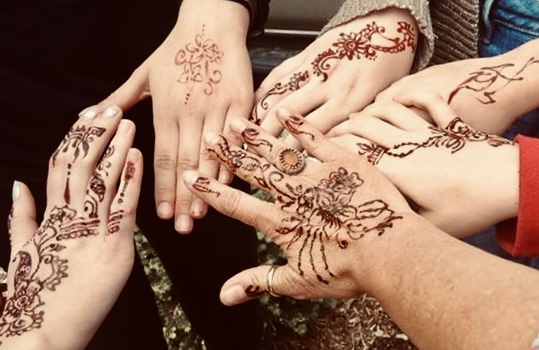
In the Fall of 2020, I eagerly gathered my first Women’s Empowerment group together.  I offered each woman flowers that uniquely reflected their presence in the group.  Collectively, we represented four distinct ethnolinguistic groups.  We spent time expressing our dreams with each other in our shared language of simple English.  Some women had home businesses, some were thinking about fleeing unsafe environments, and some longed to see loved ones they had been separated from for decades. In that precious space together, we soared.

The next day, I came down with a significant, positive case of COVID-19.  It felt like a slap down.  

How can I lift anyone up if I am inadvertently sharing a virus that could land them down and out?

Empowered Women Don’t Give Up on Important Things

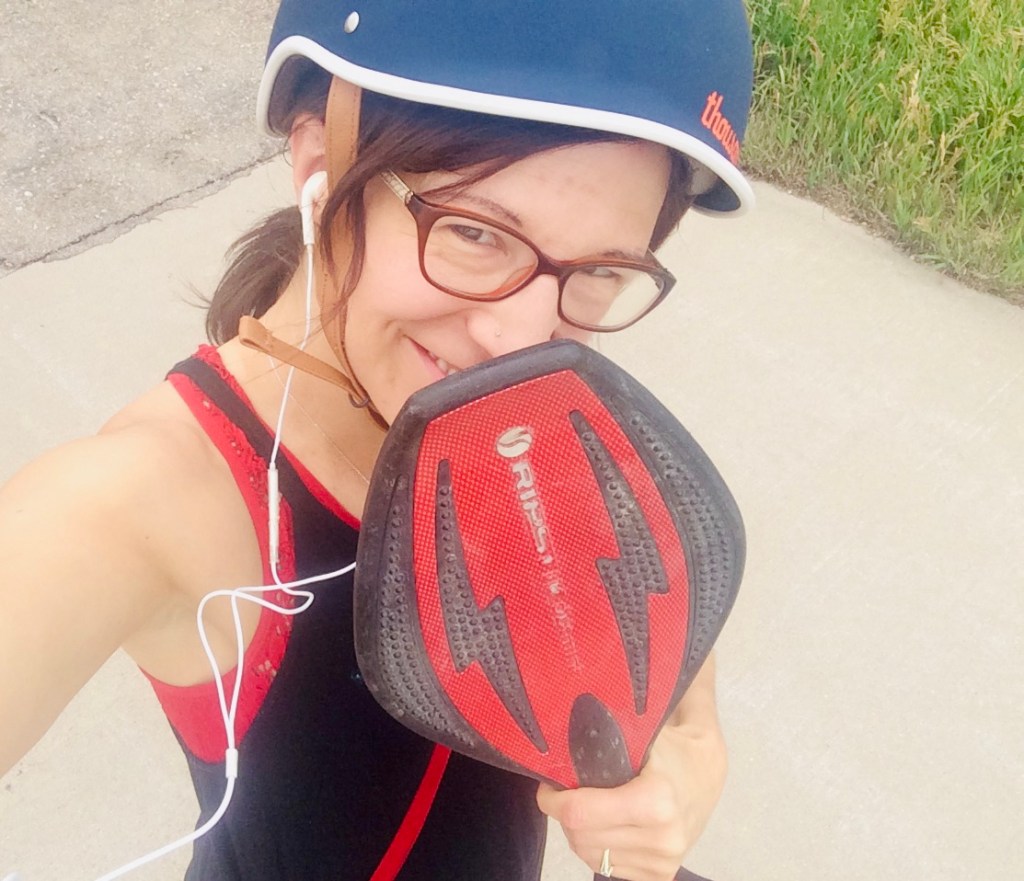
When I get nervous about things in life I can’t control, I take on a physical challenge that is the right amount of impossible and achievable to suit the situation—like climbing a 14,000-foot Rocky Mountain or learning how to ride a ripstick.  Women’s Empowerment felt like a ripstick-kind of challenge.  Rip-sticking made me feel young and tenacious, but it also terrified me a little.  I needed suitable attire for such a venture—a safety helmet with spunk and my reliable running shoes. 

Sunday afternoons I would take my ripstick and my most inspiring playlist and head for the river trail.  I feared falling.  But I feared failing even more. All this was on my mind as I went speeding down a subtle slope.  And then I fell.  Ouch!  My wounded spirit immediately looked around to make sure no one saw that.  My wounded knee wasn’t so bad.

I get knocked down, but I get up again…

Chumbawamba

Note to self: Add this song to my playlist.

GET UP:

My first lesson in being empowered is being persistent and not giving up on things that are important.  Even when I’m scared.  And even when it hurts.  I got back on my ripstick with my bruised areas and finished out my Sunday adventure.

Humility is learning to live for the sake of others.  I have been both haunted and inspired by this definition.  I couldn’t fully grasp what this meant in my life.  I was more preoccupied with falling and failing and the differences between them, that I was not learning the art of lifting.

Rising Above

An individual has not started living until he can rise above the narrow confines of his individualistic concerns to the broader concerns of all humanity.  MLK, Jr.

I’m not sure if I’m haunted or inspired.  

  • 20 years and I’m still trying to figure out living.
  • 20 years since my leukemia diagnosis in September of 2000.
  • 20 years of grasping at my sense of self in the midst of chronic limitations. 
  • 20 years of a tenacious spirit learning to dance in fragile body.

How can I rise above my personal cancer and be a part of treating malignancies that face all humanity?

This question has been weighing on my mind since last September.  I needed to rise up for my journey of Chronic Hope in order to clarify my identity.  

20 years later, there is clarity to rise.  But rising above is not a climb.  

It’s a descent. 

My challenge, quarantined in 2020, has been to listenlament, and repent of injustice in myself and in our culture.  To weep with those who weep and mourn with those who mourn.  I really wanted to just take action.  But I had not stopped to consider the lack in my understanding of justice and society.  And how justice for all reflects the heart of God.
There is a lot of humble stillness and lowly heart work involved in rising.  Nothing glorious or stunning.  Just quiet, dark, quarantined heart work.

If the world had not shut down in a global pandemic, would I have done that work?  

I don’t exactly know how to take action, but one thing has become clear: 

If I don’t take action, something in me will die.  Or will never have the chance to truly live.  

So, from this humbler and haunted place I desperately seek to learn in community from those who are taking action. To join. To grow.  To serve.  I thought the vulnerable and the marginalized needed me.  It turns out, we need each other.

Rising above is not mine to achieve.  Starting to live is not mine to map out.  

Mine is to quietly join the labors of love.  

  • To learn from those who weary their hearts and dirty their hands for the plight of others.  
  • To allow the plight of the vulnerable to be felt deeply and personally.  
  • To understand how to do justly, because I cannot truly love mercy without it.  Mercy accompanies justice.
  • Ultimately, to surrender the sense of self I’ve worked so hard to grasp.

Mine is the work of vulnerable humility.

Rising belongs to the Divine Hand that is strong and wise enough to lift me up in due time.

Just curious… what are the daunting malignancies you’ve been called to rise above?

Responding to a Hurting World: Lessons from the Little Drummer Boy

There are so many ways to get involved in a hurting world.  Which is a good thing, because there is SO. MUCH. HURT. in our world.  My heart leans towards people in transition, humans who are suffering, those who are trying to make it out of messes.  Immigrants coming to a new land.  Refugees fleeing war and manmade disasters.  Those who have left home, and in humility come to a new place.  They just need a little help along the way.
IMG_2249

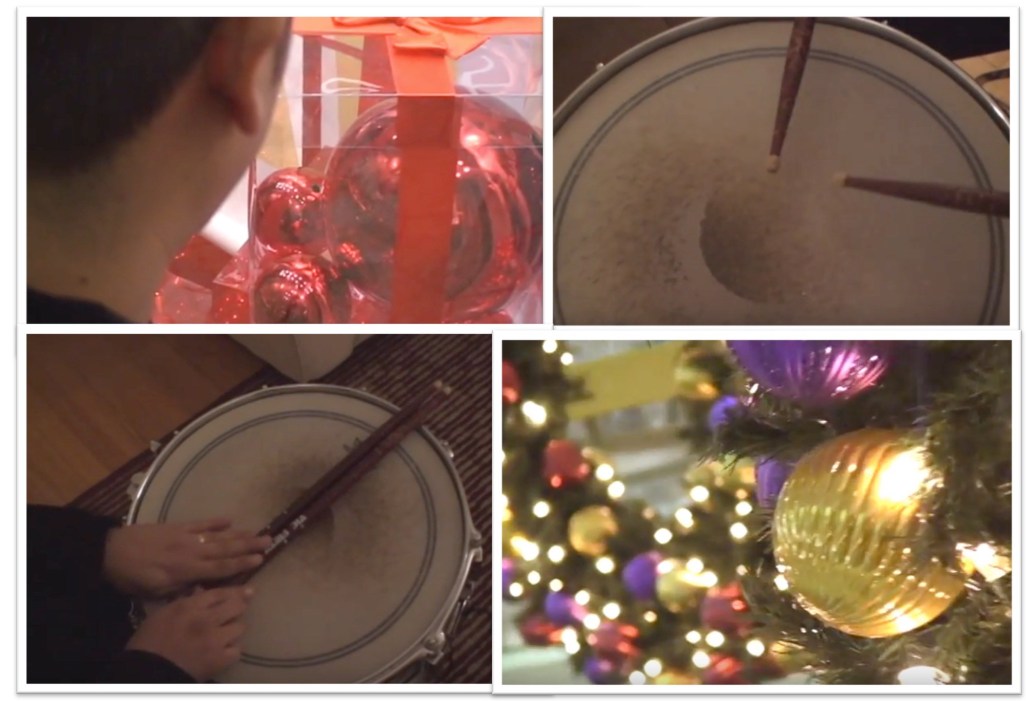
So, what to do about it?  Turn to the wisdom of some classic Christmas lyrics for inspiration… the little musician who gave his all, even though it felt like so little.

Come they told me, pa rum pum pum pum

COME.  The first step is to receive an invitation and just plain show up.  The invitation is there to join something bigger than ourselves.  To be a part of something we can’t fix or solve.  To make it personal.  To just come.

IMG_5884
A new born King to see, pa rum pum pum pum

SEE.  Come and see the things that are happening in the world around us.  Let need, curiosity, pain, and empathy compel us to observe and join the messiness of our world in new ways.  To walk alongside a stranger in a strange land. To enter someone’s story.

Our finest gifts we bring, pa rum pum pum pum

BRING.  Come, see, what’s happening.  Bring what you have.  It may feel small and insignificant, but it is your offering to bring anyways.  Sometimes all I have to offer is myself.  And in a big, scary, complex world what I have feels so insignificant.

Slide2.jpg

To lay before the King, pa rum pum pum pum

LAY IT DOWN.  Let’s lay down our gifts, time, talents, resources as an offering. To show honor.  It may feel insignificant, but showing up has value. Taking time for someone shows they’re worth it.  Honoring another through a life-changing transition, and laying before them what we have expresses incredible value.

…When we come.

IMG_1027

BUTwe all face very real and present excuses, fears, and limitations…

I am a poor boy, too

I’m just one person, with limited talents and resources.  Many say… I’m not a teacher like you.  I would say… I’m not a lawyer like so-and-so, or an activist, or an influencer.  I’m just a ………………. trying to make it in the world (you fill in the blank).

Even our best is so limited.

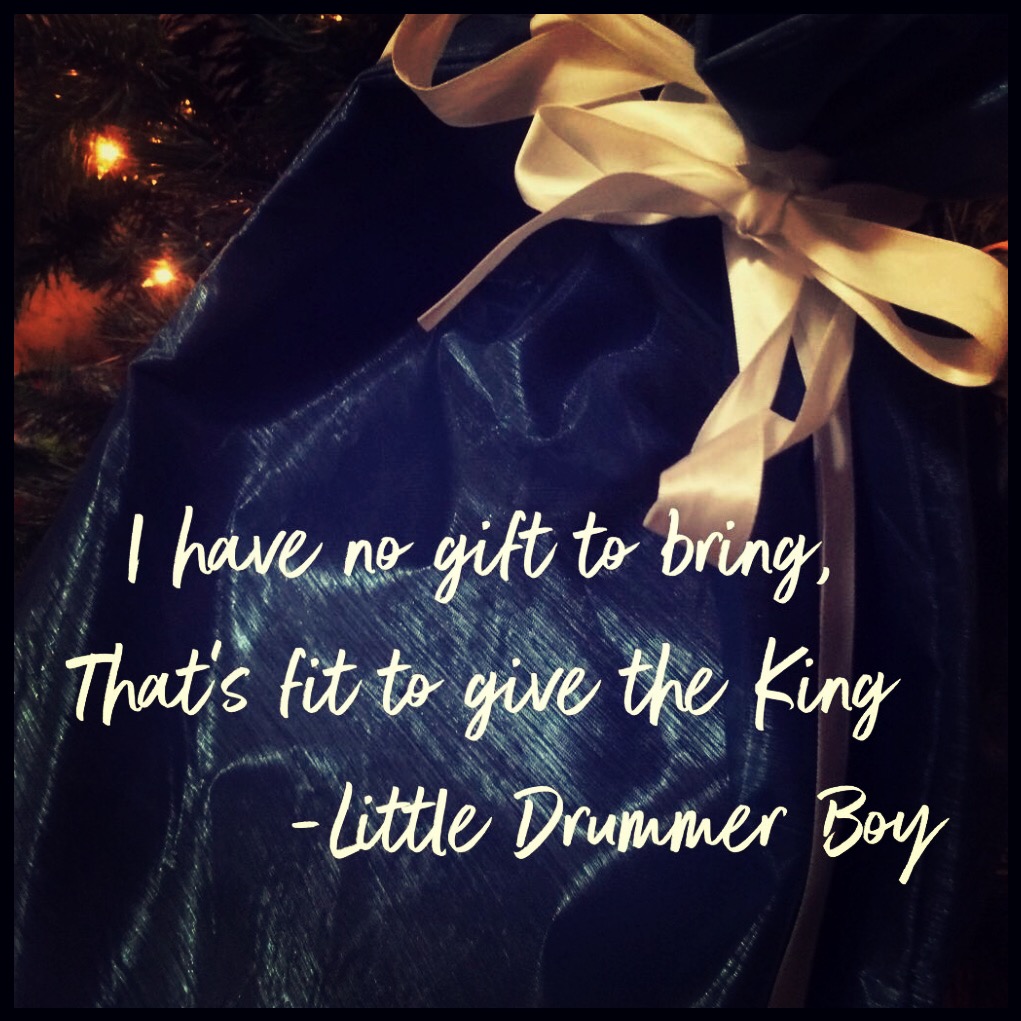
I have no gift to bring, that’s fit to give our King

I have nothing to give that would be of significance.  How can I help?  How can my small offerings possibly make a difference?

Start small.  If we all scooch over just a little in our row, we could make room for one more person to sit down.  What if everyone came, saw the need, and brought their little offerings?  That would be a significant number of insignificant offerings.  Maybe it would change the world.

What could those insignificant offerings look like?

Just come.  Show up for someone you know doing a work you admire in the world.

Just see… just listen.  Ask tough questions, hear difficult stories. Take time to process another perspective or another person’s journey.

Just bring yourself, your unique talents, your small offerings.

  • Maybe you have moments to read to a child.
  • Maybe you can pick up that book you know might challenge your thinking.
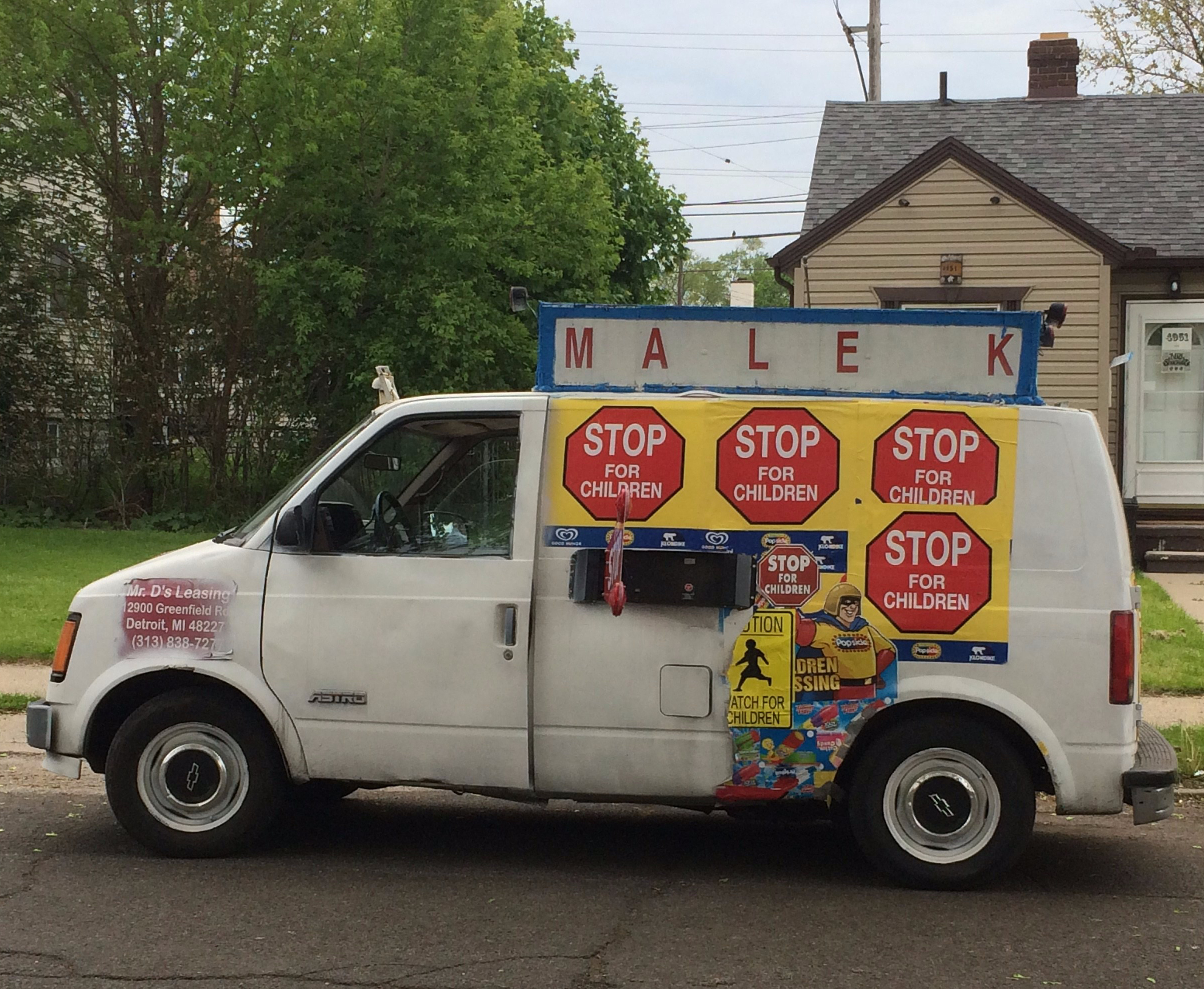
  • Maybe you can frequent a gas station or an ice cream truck where you can get to know a fellow sojourner just trying to make it in the world.
  • Maybe you invite someone new over.
  • Maybe you make that donation.
  • Maybe you share a perspective on social media that might make others think differently.
  • Maybe you start within–identifying a fear, letting go of bitterness, or choosing to forgive.

Who knows how scooching over might look for you.  Who knows what gift you bring, or how it might be fit to honor another?IMG_6942

I played my drum for Him, I played my best for Him,

pa rum pum pum pum, rum pum pum pum, rum pum, pum, pum

Whatever you do, do it wholeheartedly.  Even if it is small and insignificant.  Make it your best offering.IMG_5426

Then He smiled at me, pa rum pum pum pum
Me and my drum.

Relish in that smile.  The smile of helping someone out when they needed it most.  Showing up when it was difficult.  Offering when you felt like you had nothing.  Or maybe you are weary from many offerings that never feel like enough.  Pause.

Receive that joy.

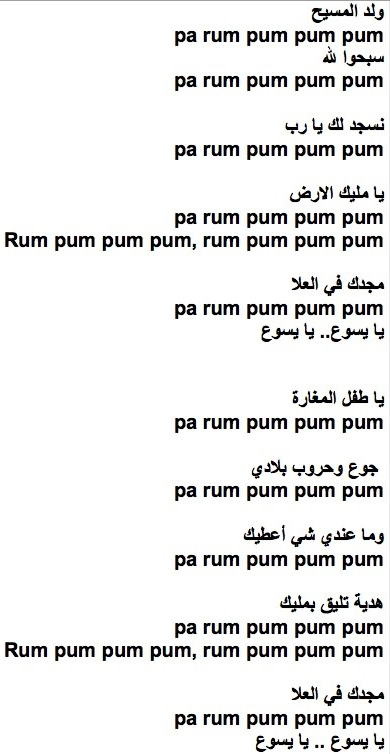
Recently, I heard an Arabic version of The Little Drummer Boy.  It was my invitation to learn some new Arabic words and practice rudimentary reading skills.  What I found was a treasured perspective I wasn’t anticipating.

Drummer Boy Arabic

With the backdrop of endless unrest in Palestine–the homeland of the Messiah and the singer–Vivian Bishara‘s lyrics of worshiping the King but having no worthy gift to bring becomes so real.  Regardless of our politics, war, hunger, and poverty are very real aspects of the world the Messiah came into–and the reason for the season today.  Emmanuel–God with us–in our messy, complex, torn up places.  Let’s come, and see, and lay down our gifts, or our lives, or both. To honor life.

To honor a Life-giving King.

… When we come.IMG_0097


When Politics are Personal: Joining Strong Beautiful People through Challenging Life Transitions

I recently wrote a post about how politics scare me, but, as a language and culture teacher, a language and culture learner, a mom, a cross-cultural neighbor, and a daughter of immigrants, I mustered up a small amount of courage to share some of my perspective on immigrants and refugee issues.  I’m not trying to take a strong political stance, but I do love the people on my path and the relationships that have enriched my life.

IMG_0695

I’ve learned that issues become much less political as they become more personal–when issues have names, faces, stories, and favorite foods.

5 observations about strong people and challenging life transitions:

  1. Leaving home is just plain hard.  My little family of 5 recently relocated after 17 years in our beloved town of Dearborn, MI.  Same language.  Same country.  No emergency. But it was SOOO HARD. Even now my heart tears and my eyes tear up for what we left behind.  Whenever things get challenging in this transition, I think of my brave Syrian Kurdish refugee friend who has relocated with her family 3 times, navigating in 4 languages–Arabic, Kurdish, Turkish, and English, with at least 2 distinct scripts to learn.  Have you ever tried to read the electric bill in a new language–deciphering the issue date, the due date, and the past due date?  Would you be able to tell the difference between tricky junk mail and important official letters written in a script that is oriented in the opposite direction than you’re used to?fullsizeoutput_28cf.jpeg
  2. We all need a little help at times in order to succeed.  In our cross-country move there were countless people who came alongside us in different ways–with food, with gentle reminders about change-of-address forms, with time and muscle to help us carry stuff.  We put our all into our move.  We calculated it for years.  But regardless, it was just bigger than us.

I will never forget the faces of those who have shown up in my difficult times and transitions of life.  Those people have a special place in my life journey.  Have you ever had the privilege of walking alongside someone in their unique ICU experience?  My secret honors include explaining to my English Language class full of moms the important distinction between the Spanish word molestar, which means to bother, and the English word molest, a very different meaning than bother (especially when Google translate has led them astray).  And I’ll forever cherish the joy of being one Muslim friend’s first experience in an American woman’s home.

img_6575.jpg

3. It takes courage and intentionality to show up, everyday.  I have a rule that I have applied as a mom, teacher, and learning coach: when it comes to helping others learn something new, I will only work as hard as they do.  Granted, part of my job is to teach motivation, but if a toddler learning to clean up, puts away two toys, then so will I.  If she puts away 10, I’ll show up for 10.  Fifteen women who show up for my English Language class two mornings a week.  It’s free for them to attend.  Some show up with a baby or two in tow.  Some work 12-hour shifts at Walmart on the loading dock and show up to class sporadically. I have one student who shows up with a smile, a pencil, and a notebook–even though she doesn’t know how to read or write in any language.  They show up with gratitude and grit, ready to take on their new world.  It is my great privilege to show up with them in some small way.

IMG_0070

4. My refugee and immigrant friends want the same things I want.  Most of the beautiful people on my path are other women and moms like me.  They want good, safe, happy lives for their children.  They want to contribute to their community.  They want to pay their bills and take good care of their families.  They get emotional around special holidays away from special relatives.  There is always a little bit of grief in their joy when a baby is born who may never get to meet their grandparents or uncles or cousins.  I’m amazed at the simple yet heartfelt constructions my very beginning students communicate with their limited English.  I know that they have experienced loss, that they long for their mothers’ cooking, and that they struggle with their kids spending too much time on their devices.  I have so much respect for their courage and humility to succeed in a new and strange environment. They inspire me daily to dare greatly.

fullsizeoutput_9e05. Families strategize for success.  While I mostly spend time with women, I know that families are doing their best together.  I believe wholeheartedly that my husband deserves his own diploma when I graduated with my MA after 5 1/2 years of intensive studying and juggling.  He showed up with me and for me.  I am also keenly aware that for every married mom who shows up to learn English in my class, there are noble husbands who work tirelessly at blue collar jobs with limited English skills so that their wives can learn English, navigate the needs of their households, and maybe even plan for college.img_4690.jpgMy current adult ESL class is in an elementary school cafeteria.  It’s chaotic and interruptible.  Kids, teachers, administrators, and lunch room staff are always passing through. But we have rules–we ask great questions and we build community together.  We share music and we laugh hard–especially when Lulu is present, because every class needs a class clown.  My life is forever enriched.  I know what it is to sip yerba mate through a special straw, and savor Yemeni sabayah.  And though I have yet to try mofongo, I can’t wait to share my spanakopita recipe with my students.  I love being a part of their safe place–to learn, to take risks, to make mistakes and to grow.  They are courageous and beautiful women.  They show up.  And all our lives are richer for it.IMG_6318