Rising Above

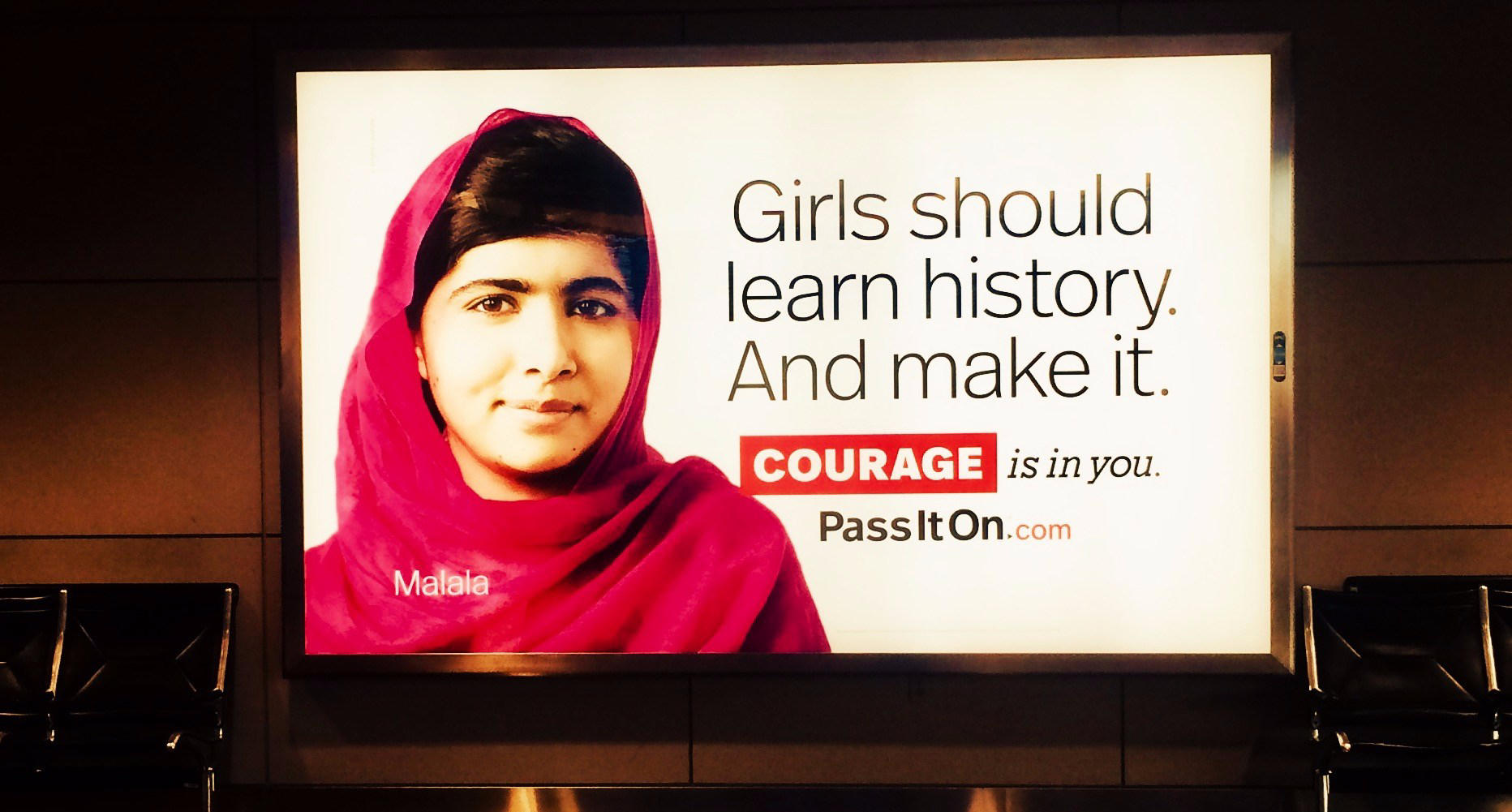
An individual has not started living until he can rise above the narrow confines of his individualistic concerns to the broader concerns of all humanity.  MLK, Jr.
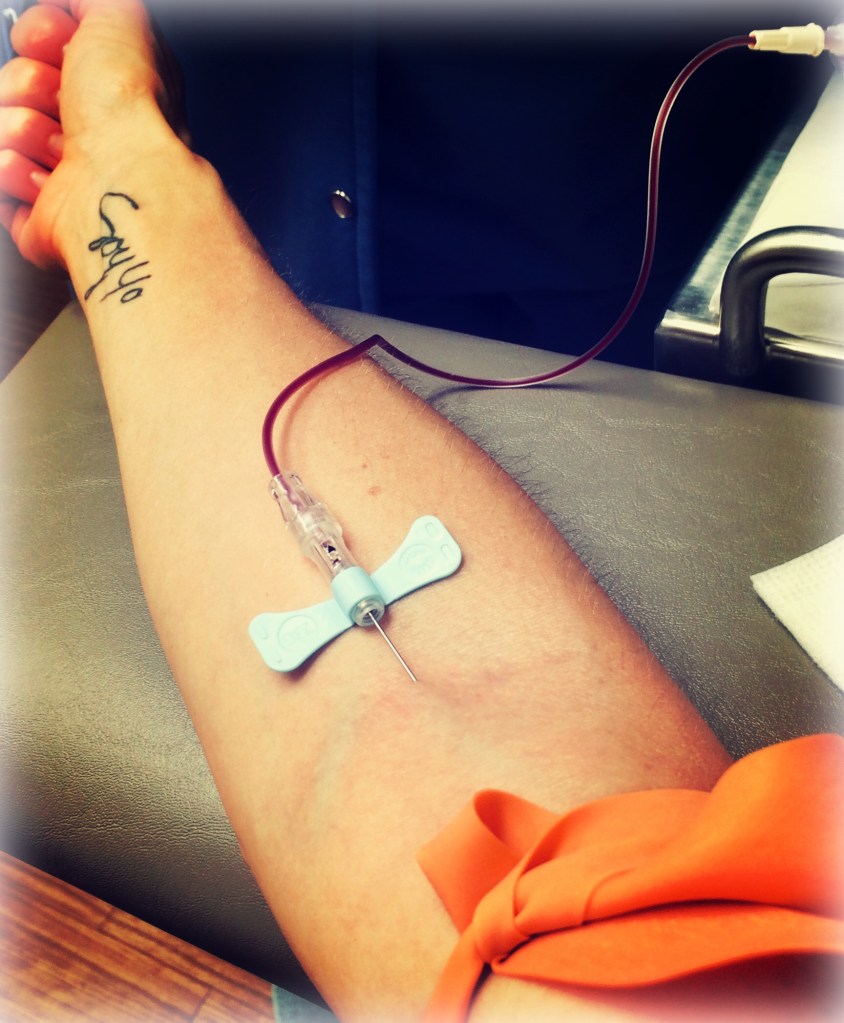
I’m not sure if I’m haunted or inspired.  

  • 20 years and I’m still trying to figure out living.
  • 20 years since my leukemia diagnosis in September of 2000.
  • 20 years of grasping at my sense of self in the midst of chronic limitations. 
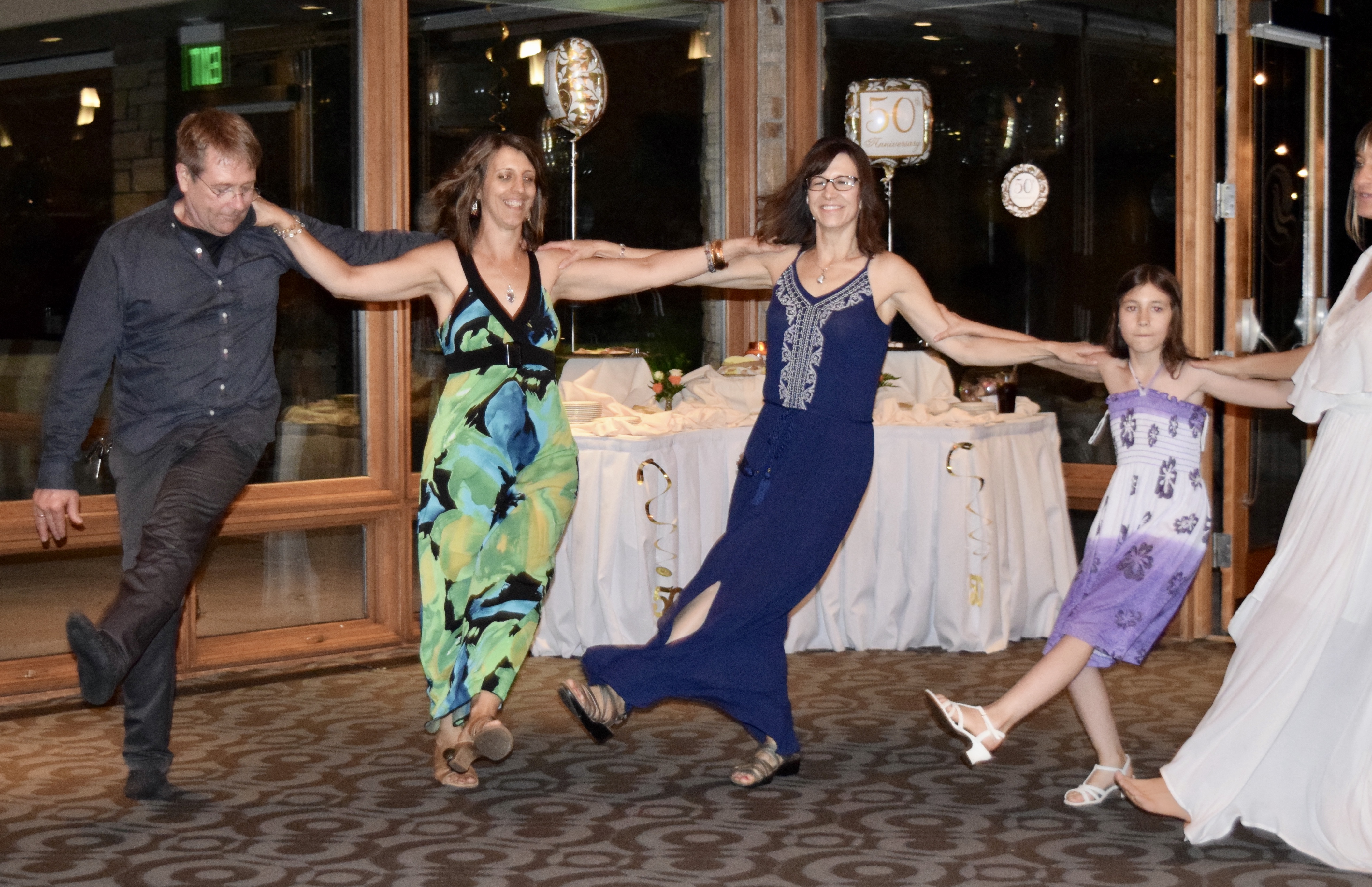
  • 20 years of a tenacious spirit learning to dance in fragile body.

How can I rise above my personal cancer and be a part of treating malignancies that face all humanity?

This question has been weighing on my mind since last September.  I needed to rise up for my journey of Chronic Hope in order to clarify my identity.  

20 years later, there is clarity to rise.  But rising above is not a climb.  

It’s a descent. 

My challenge, quarantined in 2020, has been to listenlament, and repent of injustice in myself and in our culture.  To weep with those who weep and mourn with those who mourn.  I really wanted to just take action.  But I had not stopped to consider the lack in my understanding of justice and society.  And how justice for all reflects the heart of God.

There is a lot of humble stillness and lowly heart work involved in rising.  Nothing glorious or stunning.  Just quiet, dark, quarantined heart work.

If the world had not shut down in a global pandemic, would I have done that work?  

I don’t exactly know how to take action, but one thing has become clear: 

If I don’t take action, something in me will die.  Or will never have the chance to truly live.  

So, from this humbler and haunted place I desperately seek to learn in community from those who are taking action. To join. To grow.  To serve.  I thought the vulnerable and the marginalized needed me.  It turns out, we need each other.

Rising above is not mine to achieve.  Starting to live is not mine to map out.  

Mine is to quietly join the labors of love.  

  • To learn from those who weary their hearts and dirty their hands for the plight of others.  
  • To allow the plight of the vulnerable to be felt deeply and personally.  
  • To understand how to do justly, because I cannot truly love mercy without it.  Mercy accompanies justice.
  • Ultimately, to surrender the sense of self I’ve worked so hard to grasp.

Mine is the work of vulnerable humility.

Rising belongs to the Divine Hand that is strong and wise enough to lift me up in due time.

Just curious… what are the daunting malignancies you’ve been called to rise above?
CHRONIC HOPE #6: The Luxury of Looking Forward

“If you can’t fly then run, if you can’t run then walk, if you can’t walk then crawl, but whatever you do you have to keep moving forward.”

Martin Luther King, Jr.

When I was first diagnosed with chronic myeloid leukemia (CML) in my 20s I stopped looking too far forward.  Planning for the future felt presumptuous, so I learned to live more fully in the present.

IMG_5562

September 2019 marked 19 years since my cancer diagnosis.

I’ve had the privilege of reflecting back on 2 decades of living alongside a cancer diagnosis while continuously being treated for it.

4 different cancer treatments.

12+ bone marrow biopsies.

2 cutting edge miracle meds.

3 miracle babies. 

3 times achieving medicated remissions.

2 relapses.

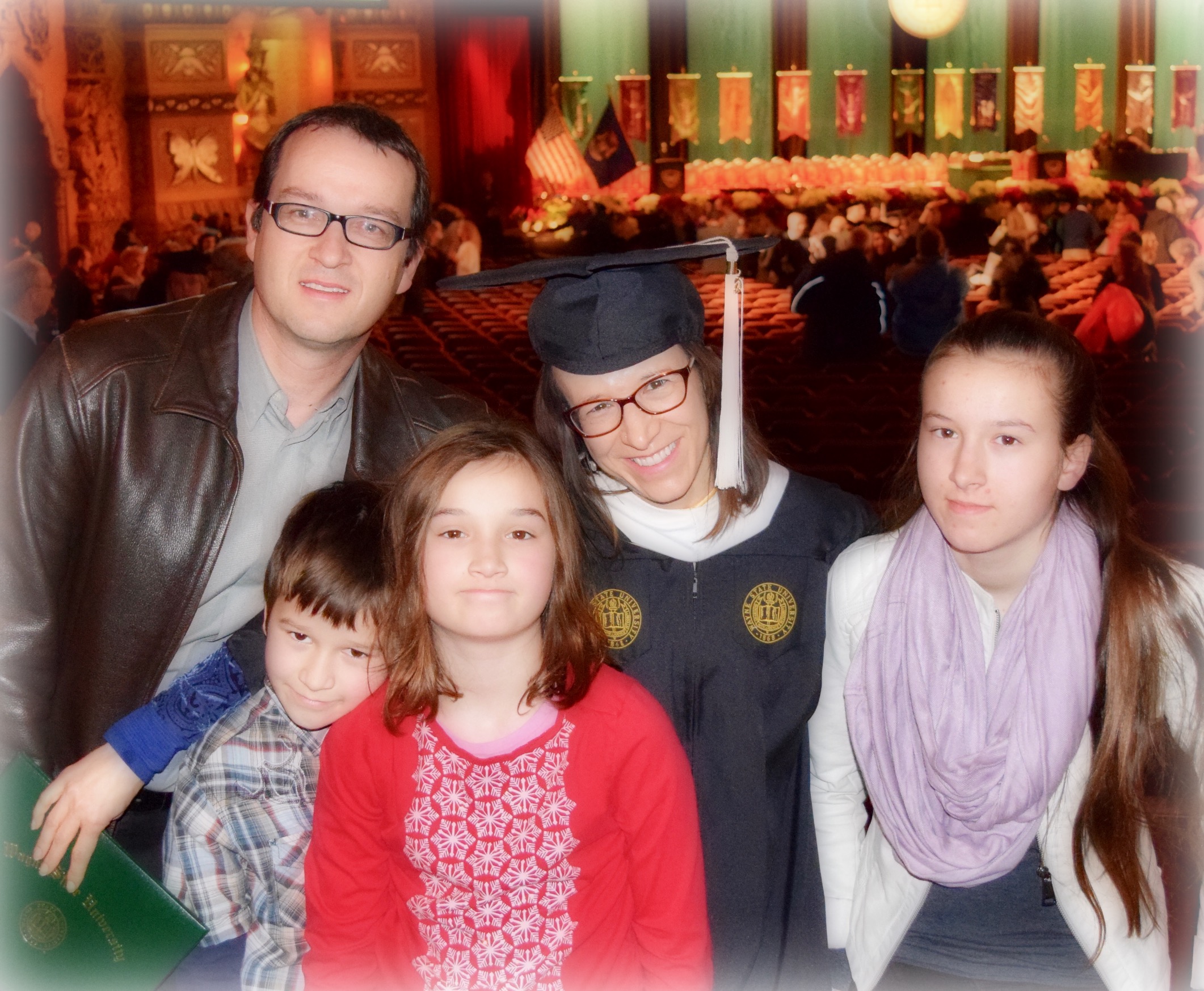
1 Master’s Degree.  

Tens of thousands of dollars invested.

This journey is chronic. Chronic struggles. Chronic tears. Chronic persistence. Eventually forging a resilient chronic hope that anchors the soul.

I have learned invaluable life lessons of chronic hope: 

We all have struggles.  We all need help.  We all seek a hope that is bigger than us.

We don’t rise above our struggles alone.

fullsizeoutput_1488

I can dare to make long-term goals that are bigger than me, because others dared before me.

In 1959 a researcher identified a very specific chromosomal abnormality present in CML patients.  In the 1990s my first miracle medication was developed—a targeted immunotherapy treatment that was revolutionary.  The standard chemotherapy treatments do not discriminate between healthy cells and cancerous ones, thus, leaving the patient with a myriad of miserable toxicities and a bleak prognosis.  But this miracle medication targeted and treated a very specific problem inside of me, on a genetic level.  It was proven more effective, more efficient, and less toxic than standard chemo.

It changed the world for people like me.


Reflecting back is essential for moving forward.

Now, with 3 growing kids, a specialized degree as a language and culture learning coach, and a healthy body in medicated remission, I dare to look forward.

There are so many people along the way who have given of themselves for me to be in this privileged place.

Like the doctor who created my miracle med after building on a researcher’s breakthrough 30 years earlier, what offerings can I bring that just might change the quality of life for a single soul?

These words of Dr. Martin Luther King, Jr. both scare and inspire me:

“An individual has not started living until he can rise above the narrow confines of his individualistic concerns to the broader concerns of all humanity.”  MLK, Jr.

As a language learning coach, I love to champion individuals towards greater possibilities in their lives.  But MLK Jr.’s words challenge me further forward.  How can I rise above my personal cancer and be a part of treating malignancies that face all humanity?

While Dr. Martin Luther King, Jr.’s impact on society was profound, maybe he started with small offerings and a few champions in his life.  I can do that!  I can spend precious life energy trying to figure out my present and future impact, courageously taking small steps forward.

“If I cannot do great things, I can do small things in a great way.”  MLK, Jr.

IMG_5578

Thank you, dear people in my life, who have championed me along the way to fight my battles with cancer—my devoted Greek-immigrant family, my loving husband in sickness and in health, my life-giving friends, my empathetic professors and generous neighbors.

Thank you, doctors and researchers, for devoting your lives and your minds to profoundly changing my prognosis and my quality of life.

Thank you, Dr. Martin Luther King, Jr., for your wisdom and impact on the world, and for encouraging me to bravely take baby steps far beyond my personal cancer.

Thank you, readers, for allowing me to reflect back and dare into the future on this journey of chronic hope.

IMG_3359


This article was published in a series of articles for the Yemeni American News, October, 2019:

Georgia Coats is a Language & Culture Learning Coach, freelance writer, educator, wife, and mother of three who is passionate about healthy mind-body-spirit living.  Chronic Hope is Georgia’s collection of stories, lessons, and life adventures of living alongside chronic leukemia, cancer of the white blood cells, for two decades.  She often shares what’s on her mind at: www.onmymindbygeorgia.wordpress.com

CHRONIC HOPE #5: From Battling Fatigue to Balancing an Energy Budget

I knew the call would come, like the expectation of a winter storm.

My oncologist forecasted that my body would eventually build up a resistance to my medication for chronic myeloid leukemia (CML) after going off of it 3 times to have 3 miracle babies.

That dreaded call came the day after Christmas in the middle of a family movie.  The nurse dictated dates for blood tests and biopsies.  It was clear as I fumbled for a pen while running out of the darkened theatre that she didn’t care which dates worked for my grad school class schedule, my teaching hours, or my family life.

Bottom line, I needed to rewrite my priority list—ASAP!

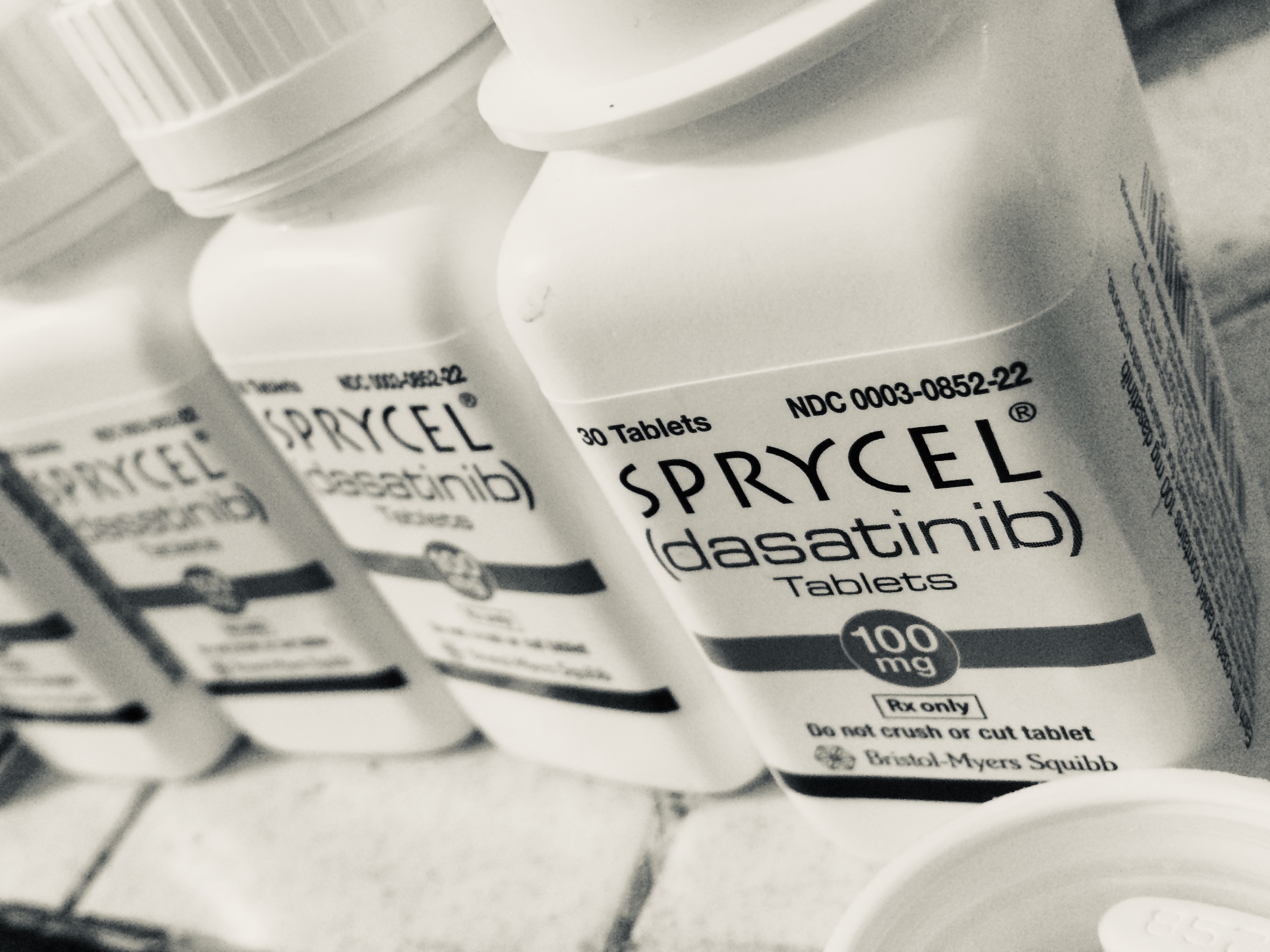
I was thankful for a short commute between hospital and university in the heart of Detroit.  I naively thought I could change medications and not skip a beat in class.  I didn’t account for the unexpected toxicities of Sprycel, my new miracle medication.  It was super effective in treating cancer.   But my fatigued body could barely make it through a day.IMG_5394.JPG

5 Steps of Energy Budgeting

I know what it’s like to live on a tight financial budget.  I’ve been stretching dollars for decades.  Taking Sprycel syphoned off a significant portion of my energy each day.  It was clear that I drastically needed to rebalance my energy budget to account for success within my new limitations of fatigue.

1. Set Goals

Set clear, attainable goals. Identify the most important places to spend limited resources of energy. For me it was: Finish grad school.  Aspire to excellence—as a mom, wife and student.  As I pushed forward with my Master’s degree, I became a goal-setting master.

2. Prioritize 

Show up wholeheartedly

Decide the most important ways to expend mental, emotional and spiritual energy, and then let go of the other stuff.

If I aspired to excellence as a mom, wife, and graduate student, I couldn’t also be an excellent teacher.  I quit my teaching job, and we creatively rebalanced an even tighter financial budget.IMG_4263

3. Eliminate Excess

Identify and get rid of unnecessary energy drains.  It’s like knowing you’re going to shipwreck if you don’t throw stuff overboard.  Learn to say “NO” to superfluous obligations and to excess noise in your head.

Nursing a grudge or second-guessing good decisions were luxuries I couldn’t afford.  Instead, I learned the energy-rejuvenating power of clear thinking cultivated by a rhythm of rest, walks, and intimate times in prayer.

4. Show Up Wholeheartedly

Once goals are set, priorities are clear, and junk has been eliminated, be present in your priorities. Embrace them fully and generously.

It was costly to be a mother of three and a non-traditional, cancer fighting grad student.  I wasn’t going to miss any of those prioritized moments. I studied hard. I also learned to set studies aside and wholeheartedly cherish puppy movies with my feverish 4th grader as the privileged place of being a mom.

fullsizeoutput_28cf

5. Celebrate Success

Find joy in the things that contribute to success.  Setbacks and shortcomings are ingredients for grit when it comes to celebrating achievement.

I regularly thanked my amazing professors.  When my worn out body ached, I thanked God for my cozy bed as I crawled into it.  I cried tears of gratefulness as my husband picked up my slack at home.

When I finally finished graduate school, debt free, after 5 ½ years, celebrations of success were the sweetest.IMG_5393

I learned to thank God for my miracle medication.

It keeps my body cancer-free.  It has afforded me peace of mind, power in weakness, freedom in limitations, and grace in weariness. I have learned to live more lightly and freely as I regularly surrender all my priorities to my highest priority of all—loving God with all my heart, soul, mind, and strength.

IMG_4447

This article was published in a series of articles for the Yemeni American News, September, 2019, p. 10:

Georgia Coats is a Language & Culture Learning Coach, freelance writer, educator, wife, and mother of three who is passionate about healthy mind-body-spirit living.  Chronic Hope is Georgia’s collection of stories, lessons, and life adventures of living alongside chronic leukemia, cancer of the white blood cells, for two decades.  She often shares what’s on her mind at: www.onmymindbygeorgia.wordpress.com


CHRONIC HOPE #4: A Potential Risk of Fighting Cancer

“How dare you be so irresponsible with your wife’s health?  Don’t you understand the risks you’re putting her through by getting her pregnant in her condition?”

I watched my husband’s face change from shock to anger as the nurse unleashed her stern lecture on him.

Five years into marriage and four years into my cancer diagnosis, I was nearing my 30th birthday.  We had given up on making long-term life goals.  I let go of the dream of living abroad for language and cultural studies, and I quit graduate school.

But the dream of being a mom got stronger.

My super-effective miracle medication for chronic myeloid leukemia (CML) extended both my quality and quantity of life.  Aside from 3-month check ups, an annual bone marrow biopsy, and my daily meds, I lived a normal life.  But normal life made me hope for normal things, like a family of my own.

Truth: In this world we all face struggles.

My doctor was STUBBORNLY clear: pregnancy was out of the question.  It was too risky to subject a fetus to the potentially hazardous effects of my miracle meds. And it was too risky for me to go off my miracle meds for any reason.

After multiple heart-wrenching conversations, desperate prayers, and seeking counsel from others who had faced life’s storms and held on to hope, my husband and I felt like it was risky NOT to start a family.

Two significant things happened:

  1. We learned that we must calculate our risk and take the first step into the storm; and expect God’s reassuring presence to show up along the way.
  2. My stubborn doctor left. His replacement was willing to treat me as a whole person, instead of just treating my disease.  We needed someone to champion for the fullness of life.

Hope is a function of struggle. 

“Hope is a function of struggle,” affirms Brené Brown, author of Daring Greatly: How the Courage to be Vulnerable Transforms the Way We Live, Love, Parent & Lead.
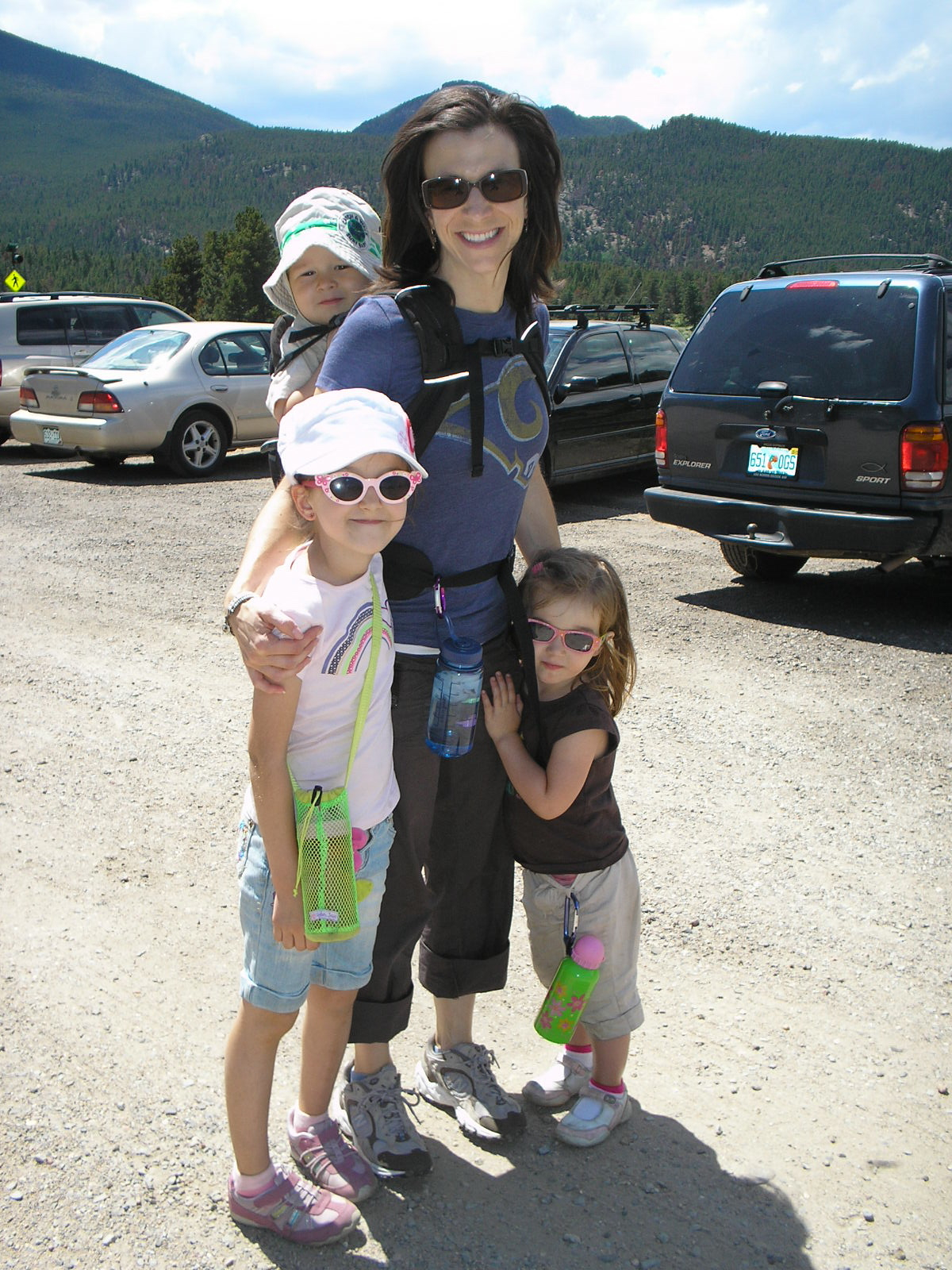
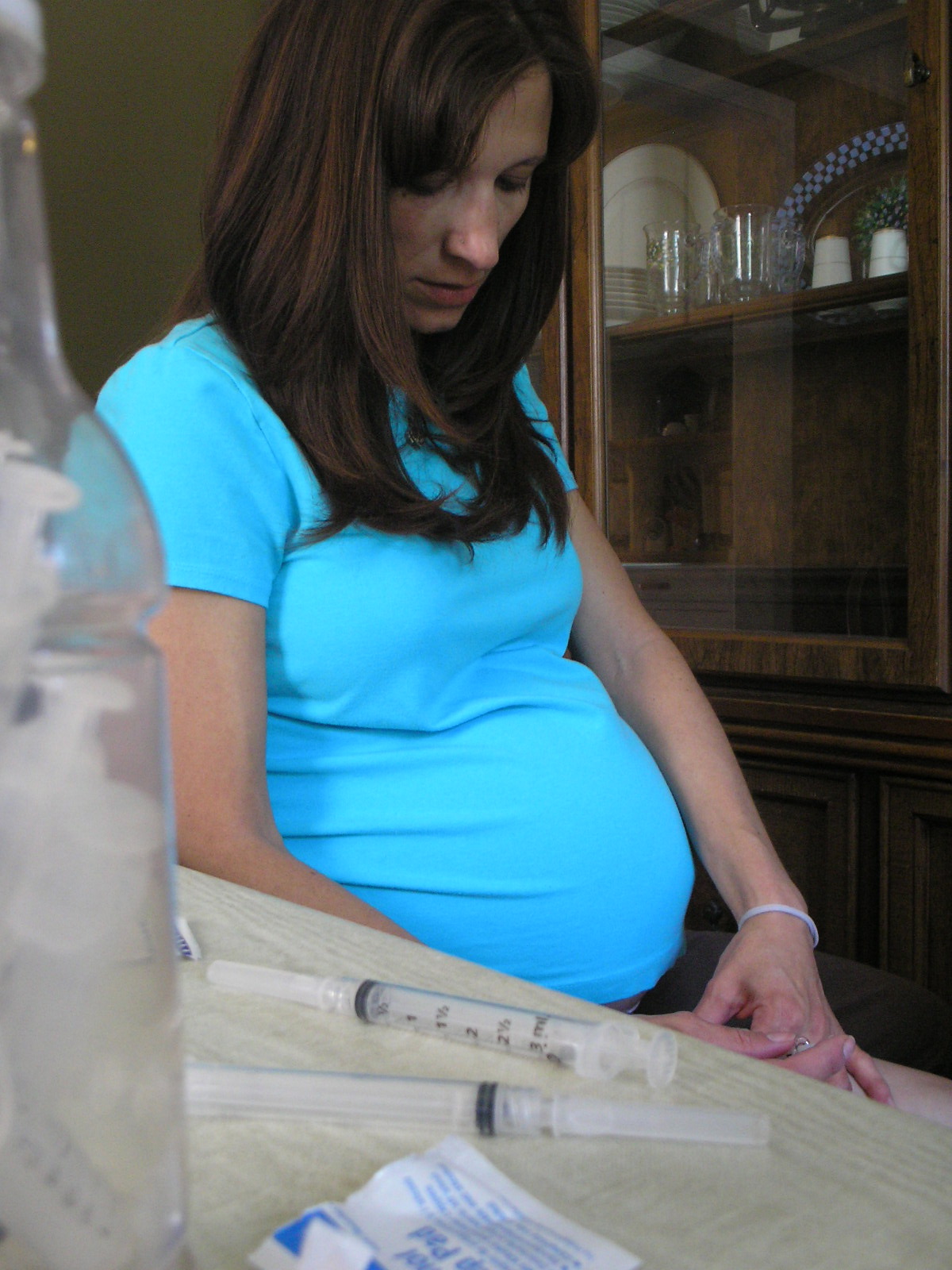
Eighteen months of chemotherapy injections were considered “safe” for growing three wondrous new lives, but they left me feverish and weak.  As I lay limp on the couch, I regularly recalculated our risk.

Giving up a safe miserable life without big dreams, for the opportunity to cultivate new life, changed something in me forever.  Ultimately, wherever beauty and life-giving possibilities exist, they are worth the pursuit.

Brené Brown reminds us that, “the willingness to show up changes us. It makes us a little braver each time.” 

My desire to be a mom dared me to set 9-month goals.  Three times. That led me to reconsider the daunting goal of graduate school to become a Language and Culture Learning Coach—this time as a non-traditional, cancer-fighting, mother of three.
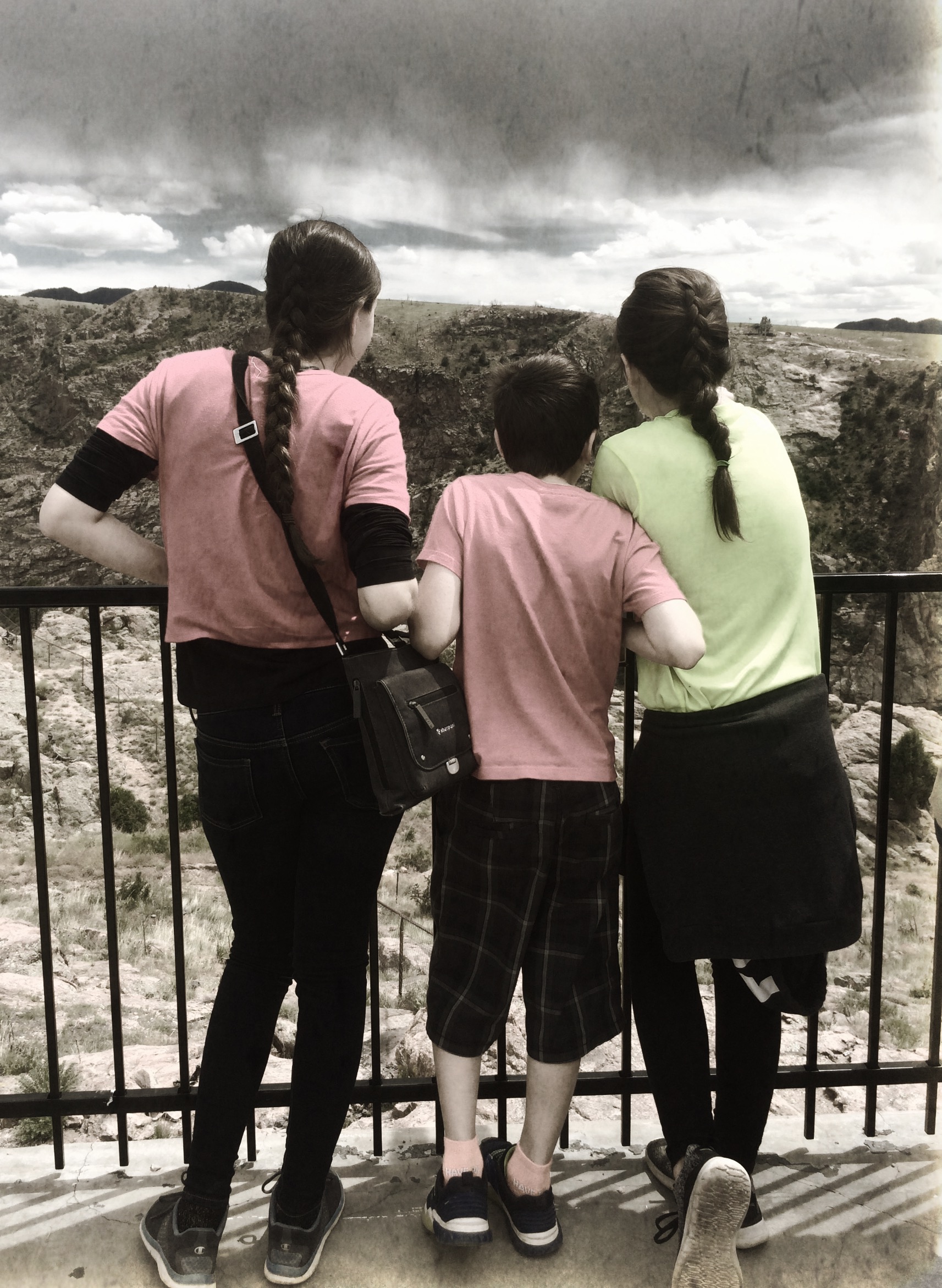
Chronic struggles forged profound hope that pushed me higher and deeper in mind, body, and spiritual potential. And, in setting an example for my miracle children to live courageous lives.

The ongoing challenge is to keep hands open while living courageously—to never close in on the great gifts of life we’ve been given. I’ve been given 20 years to cultivate chronic hope. IMG_4212I find myself in a privileged place to champion others.  My heart is for those who face war, leave home, and migrate across cultural and linguistic barriers in search of the fullness of what life can be.  To these souls I hold out small offerings with open hands.

What are your dreams, forged in struggle?

Who are your champions?

What are the little offerings in your hands?

IMG_0695

This article was published in a series of articles for the Yemeni American News, August, 2019:

Georgia Coats is a Language & Culture Learning Coach, freelance writer, educator, wife, and mother of three who is passionate about healthy mind-body-spirit living.  Chronic Hope is Georgia’s collection of stories, lessons, and life adventures of living alongside chronic leukemia, cancer of the white blood cells, for two decades.  She often shares what’s on her mind at: www.onmymindbygeorgia.wordpress.com


CHRONIC HOPE #3: Cancer Complicates My Identity Issues

The life of a creature is in their blood.  Blood is the essence of who a person is.

By blood I am Greek.  By nationality I am a U.S. citizen.  By education I am a Spanish speaker.  By cultural experiences I resonate with my Middle Eastern neighbors of Dearborn, MI.  By faith I am a follower of Jesus the Messiah.

fullsizeoutput_2ec4

My whole life I have dabbled in multiple worlds, cultures, languages, and social groupings.  I hover on borders, struggling to figure out where I fit in.  That’s why I became a Language and Culture Learning Coach.

That’s why I have identity issues.

Enter Cancer.

By blood I have a cancer diagnosis.  More specifically, chronic myeloid leukemia (CML) is cancer in my blood cells.  Ironically, the white blood cells that function to fight off disease have become diseased.

Someone advised early on,

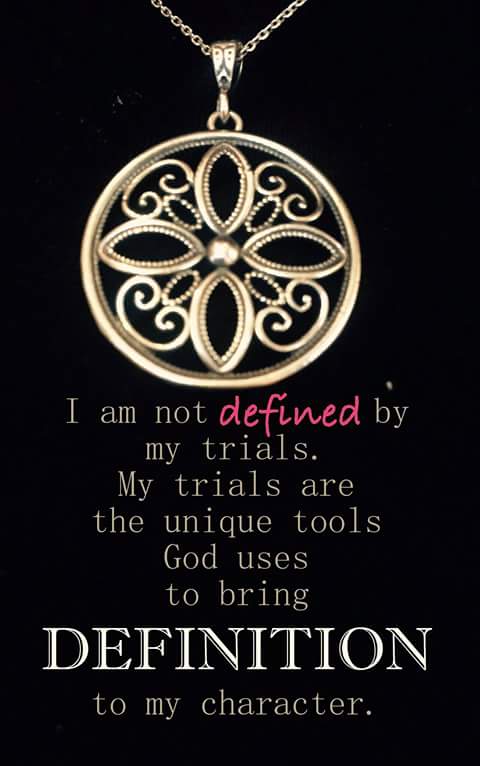
Don’t let your cancer diagnosis define who you are.

That piece of wisdom has both haunted and inspired me for that last 20 years.

When cancer runs in your blood, how do you not let it effect who you are?

To complicate things even more, I am on a cutting edge, super-effective, immunotherapy treatment. No complaints there.  When I tell people I have cancer, they want to know: Am I a survivor? Am I in remission? or Am I still battling the disease?  YES!  I dabble in all of those things.  My treatment keeps me in remission, as long as I keep taking it, daily.  Forever.

In my blood, disease moves slowly.  It’s a lifelong chronic disease, which makes me a peripheral member of another group.  The Chronic Illness Group.  People with chronic illness spend a lifetime on meds, and suffer from their diseases for decades.  There’s no glory in chronic illness.  To find support and strength in a chronic struggle, it helps to own it.  To identify with others who struggle in a similar way.

Blood-Related Issues

This summer I will travel to the Old Country, Greece, with my parents, siblings, and kids, to share with my kids a sliver of their heritage—of the identity that runs in their blood.  We will kiss my aunties and meet another generation of cousins.  We will eat great food and connect with the passion, grit, and generosity of our people.  I will admit my shortcoming to learn, and to teach my kids, the Greek language.  Relatives will look at me through the sympathetic cancer lens and say I look good, considering my health issues.

While I don’t want to be defined by the disease in my blood, I also cannot deny that it hasn’t had a significant impact on who I am.  Cancer brings definition to my character.  And for that, I am grateful.

FB_IMG_1496628639999

Thankfully, YOU don’t have to have my issues to embrace the wonderful beauty of your design.

And together let’s learn to share in the struggles of others.

Because, cancer or not, we all have issues.

fullsizeoutput_2eeb

This article was published in a series of articles for the Yemeni American News, July, 2019:

Georgia Coats is a Language & Culture Learning Coach, freelance writer, educator, wife, and mother of three who is passionate about healthy mind-body-spirit living.  Chronic Hope is Georgia’s collection of stories, lessons, and life adventures of living alongside chronic leukemia, cancer of the white blood cells, for two decades.  She often shares what’s on her mind at: www.onmymindbygeorgia.wordpress.com


CHRONIC HOPE #2: Learning to be healthy and have cancer

“Wow!  You look great. Did you lose weight?”

In my late 20s and newly married, I enjoyed the positive feedback on an otherwise bleak situation. I joked to myself, Yeah, it’s this great new plan… the CANCER DIET.  But in real life, I awkwardly responded, “Thanks,” with no explanation of the dark secret to my weight loss success.

Then there were the people who knew I had recently been diagnosed with chronic myeloid leukemia (CML). They said things differently.

“Awww, you look really good,” which was accompanied by a sympathetic head tilt and a hint of relief. They were glad I wasn’t bald, pale, and gaunt like the poster child for the Leukemia Society.

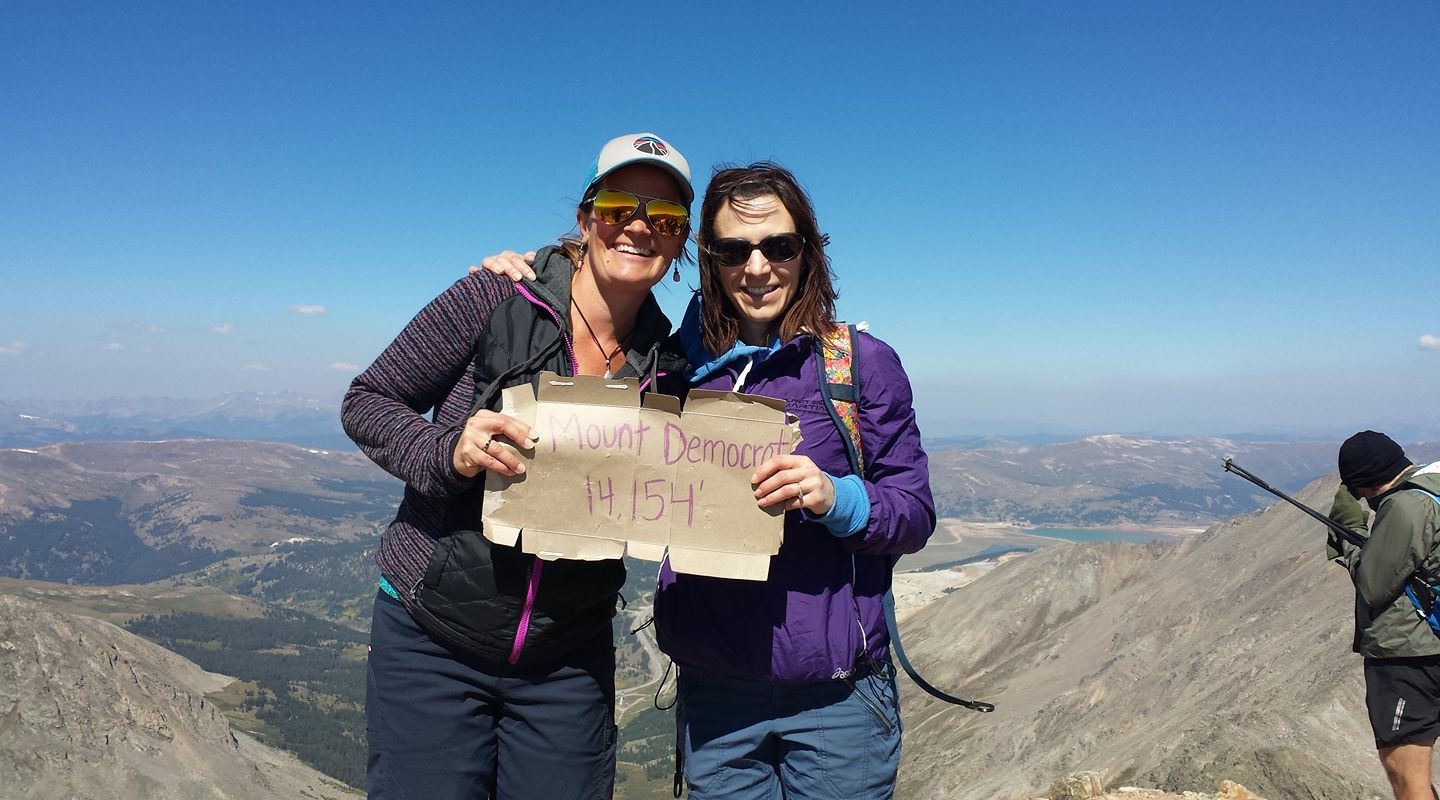
SteveandGeorgiaMountain(1)

I felt overwhelmed by these new life circumstances out of my control.  I needed to manage something.  This was stirring in me a passion for healthy living.

But, what is healthy?

Before my diagnosis, healthy meant the opposite sick.  After my diagnosis, healthy meant giving my body its best chance to thrive in the given circumstances.

Healthy meant being a wise manager of things I COULD control.

Healthy also meant not over-worrying about the things I couldn’t control.

I couldn’t control leukemia. And I didn’t know how to manage the overwhelming feelings of fear, loss, and dying dreams.

If chronic leukemia was my new normal, I needed effective survival skills.  I needed to nurture hope and figure out healthy ways to interact with chronically present negative emotions.

With cancer come toxicities.  

Toxicities that wear on the body accompany even the best cancer treatments.  Also in the shadows of effective cancer treatments looms the real threat of financial toxicity.

Healthy meant identifying and eliminating unnecessary toxicities while learning to live with the necessary ones.

fullsizeoutput_2ebf

I couldn’t control the toxicities of my treatments, but I could help my body be strong enough to handle them as best it could.  I rested more.  I ate less sugar.  I tried to stay active even when I felt fatigued or depressed.

I learned to sort my worries.

Author Amber Rae, in her book, Choose Wonder Over Worry: Move Beyond Fear and Doubt to Unlock your Full Potential, says that not all worry is bad.  We need to get rid of toxic worries so we can more clearly address healthy worries.

Devastating life challenges can be toxic on a marriage.  Or, they can make a marriage stronger.  The guilt of being a burden to my new husband was toxic.  But I couldn’t eliminate it on my own.

My husband chose to share my burden and join in my sorrow.  He waded through bills, unsolicited advice, and on hold with the doctor’s office.  He always referred to our diagnosis.  He took seriously his role of tenderly caring for his wife.

Together we learned to weed out toxic worry and trust God with each specific life challenge out of our control.

Rae describes healthy worry as a complement to wonder,  “If worry is the fear of what could go wrong, wonder is the curiosity of the unknown.”

I was far from nurturing curiosity.  But I could take baby steps towards healthy.  I felt empowered by healthy eating habits and an exercise routine.

For my husband and I, healthy meant being in the best spiritual, physical, and state of mind we could be to thrive through the toxicities we couldn’t control.  Healthy meant taking on our new life challenges… together.fullsizeoutput_2ec1This article was published as the second in a series of articles for the Yemeni American News, June, 2019:
Georgia Coats is a Language & Culture Learning Coach, freelance writer, educator, wife, and mother of three who is passionate about healthy mind-body-spirit living.  Chronic Hope is Georgia’s collection of stories, lessons, and life adventures of living alongside chronic leukemia, cancer of the white blood cells, for two decades.  She often shares what’s on her mind at: www.onmymindbygeorgia.wordpress.com


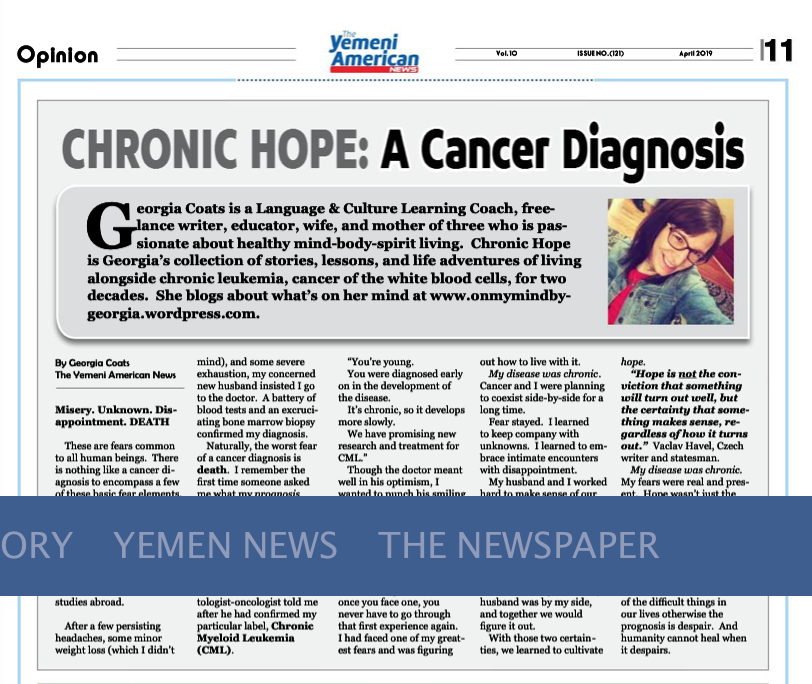
CHRONIC HOPE: A Cancer Diagnosis

Misery. Unknown. Disappointment. DEATH

These are fears common to all human beings.  There is nothing like a cancer diagnosis to encompass a few of these basic fear elements. I faced a dreaded diagnosis when I was 27 years old, newly married, and had many hopes and dreams of traveling the world and raising a family.  I was in graduate school and hoping to do some Middle Eastern studies abroad.

After a few persisting headaches, some minor weight loss (which I didn’t mind), and some severe exhaustion, my concerned new husband insisted I go to the doctor.  A battery of blood tests and an excruciating bone marrow biopsy confirmed my diagnosis.

Naturally, the worst fear of a cancer diagnosis is death. I remember the first time someone asked me what my prognosis was.  I didn’t even know that word.  I had to look it up, and let it sink in that people were actually asking me when the doctors think I might die.  That was crazy!  I was still in my twenties!

“Good news!” the hematologist-oncologist told me after he had confirmed my particular label, Chronic Myeloid Leukemia (CML).

“You’re young.

You were diagnosed early on in the development of the disease.

It’s chronic, so it develops more slowly.

We have promising new research and treatment for CML.”

Though the doctor meant well in his optimism, I wanted to punch his smiling face.  These factors were all in my favor to avoid death.  But what about living a miserable life?  What about dreams of starting a family?  So many unknowns.

The strange thing about a cancer diagnosis, is that once you face one, you never have to go through that first experience again.  I had faced one of my greatest fears and was figuring out how to live with it.

My disease was chronic.  Cancer and I were planning to coexist side-by-side for a long time.

Fear stayed.  I learned to keep company with unknowns.  I learned to embrace intimate encounters with disappointment.

My husband and I worked hard to make sense of our new circumstances.  I quit graduate school.  really hate quitting.  I gave up the dream of studying abroad.

Two things were certain amidst the unsettling unknowns: 

1. God is still God and He is good.

2. My husband was by my side, and together we would figure it out.

With those two certainties, we learned to cultivate hope.

“Hope is not the conviction that something will turn out well, but the certainty that something makes sense, regardless of how it turns out.”

Vaclav Havel, Czech writer and statesman.

My disease was chronic.  My fears were real and present.  Hope wasn’t just the optimism I needed to “fight this thing.”  We were clinging to the hope that this diagnosis would make sense in our lives—eventually.  Someday, our hope would be greater than our fear.

We have to make sense of the difficult things in our lives otherwise the prognosis is despair.  And humanity cannot heal when it despairs.

To ponder…

A friend of mine going through a difficult time compared her life to a garden in the winter. She said, “Hope is the promise that things will grow again.”  How do you make sense of the difficulties in life?  How would you describe hope?

IMG_2672

This article was published as the first in a series of articles for the Yemeni American News, May, 2019:

Georgia Coats is a Language & Culture Learning Coach, freelance writer, educator, wife, and mother of three who is passionate about healthy mind-body-spirit living.  Chronic Hope is Georgia’s collection of stories, lessons, and life adventures of living alongside chronic leukemia, cancer of the white blood cells, for two decades.  She often shares what’s on her mind at: www.onmymindbygeorgia.wordpress.com

Screen Shot 2019-05-04 at 12.17.00 PM