NOTE: In 2026 it feels risky to celebrate immigrant stories. But I have learned from my immigrant roots and my immigrant neighbors that deeply rooted resilience grows from our journeys, and celebrating that is necessary in hard times.
“Give me a word, any word, and I’ll show you how the root of that word is Greek.”
As the daughter of Greek immigrants, I laughed until I cried at the veracity of this challenge repeated multiple times in the original 2002 movie, My Big Fat Greek Wedding, which takes a comedic look at a passionate, chaotic, and endearing Greek immigrant family in America. Even now, I hear my dad’s voice in those words. When I told him I work with my immigrant and refugee neighbors on the Global Diaspora team, he asked, “Do you know what the word dia-spora means? It comes from the Greek—”
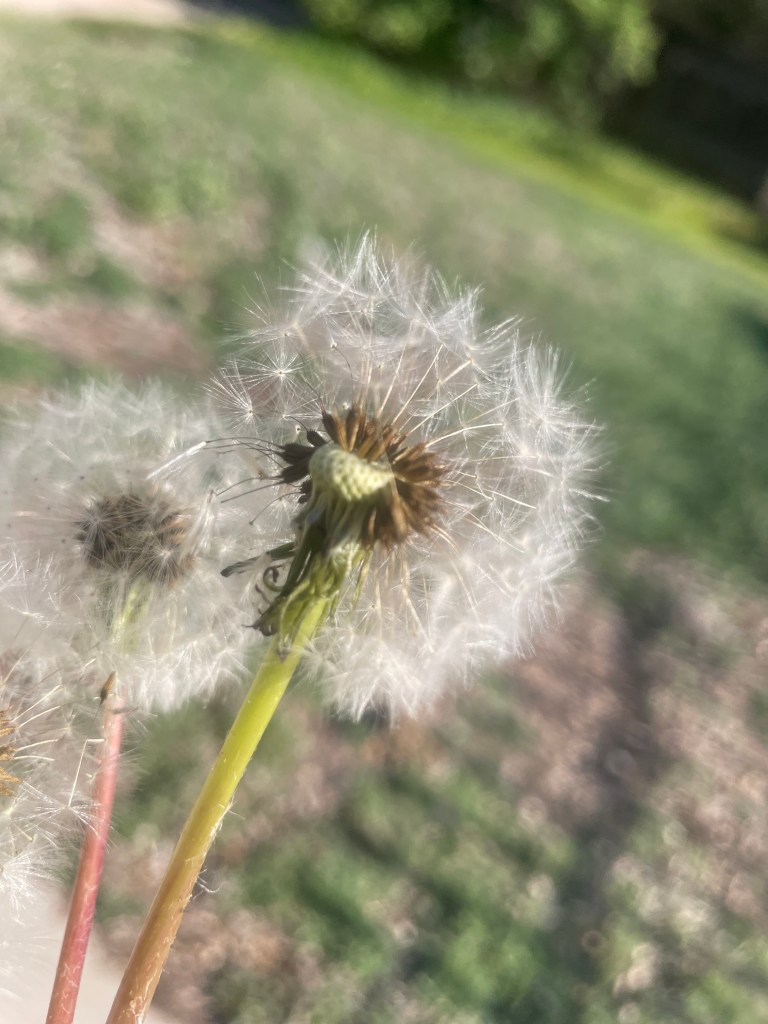
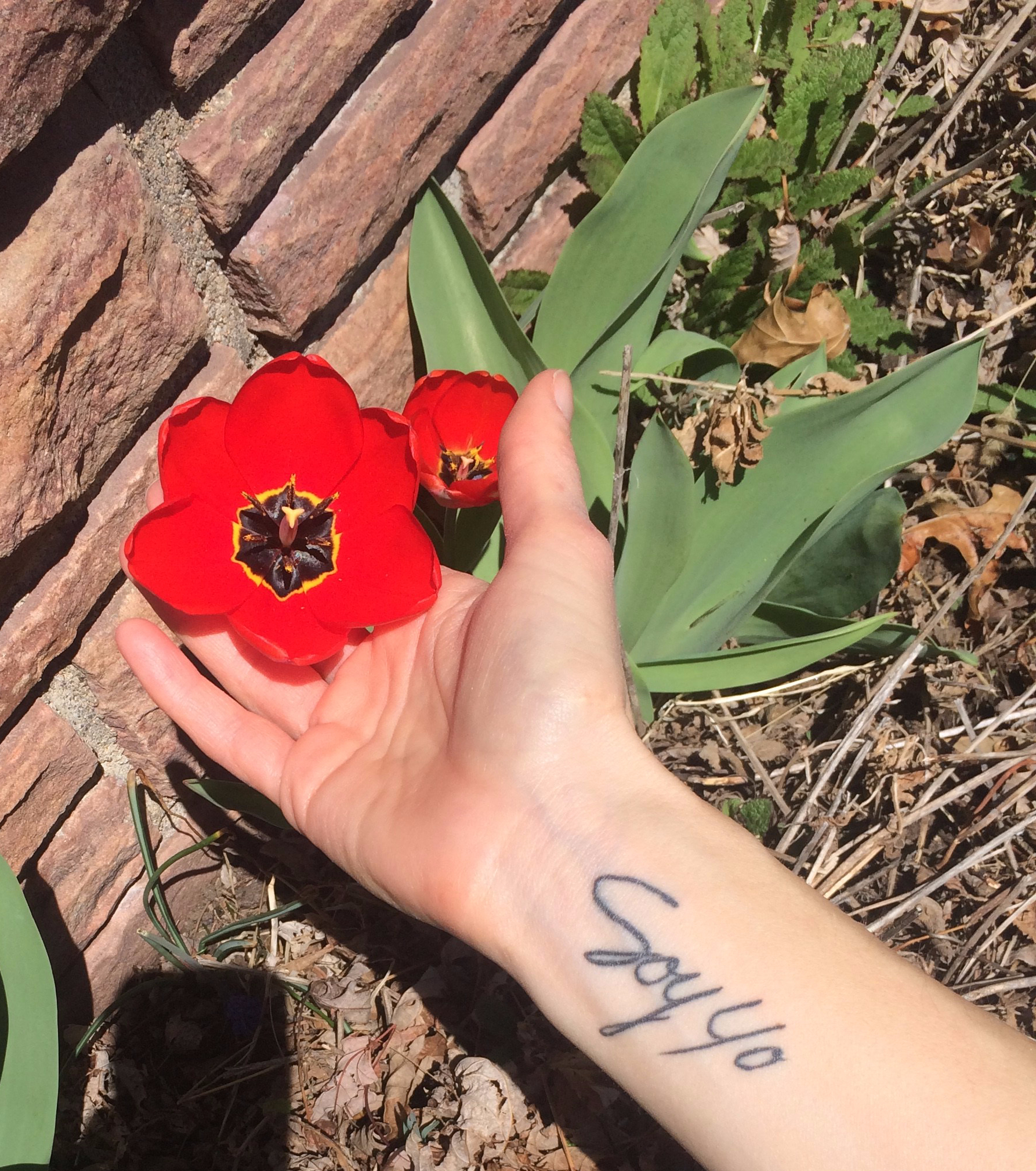
Dia—meaning across; spora—meaning scatter—it’s where we get spores. It’s connected to scattering seeds across the earth—an agricultural concept.
Being Greek
What does it mean to be Greek when you are cultivated in diaspora? DNA tests say I’m 90% Greek. My distinguishing tastebuds were nurtured by the culinary prowess of my people and my dad’s expert training. But on a spectrum of Greekness, my language skills are bleak. My connection to the local Greek community is questionable. Culturally, I don’t wave the Greek flag or own a traditional Greek outfit to wear on Heritage Day at the office. Sometimes Greek Orthodox chant is a chilling reminder that I don’t belong—that I’m not Greek enough to be a part of that group.
The Greek Orthodox Church was the place where local Greek immigrants could cultivate language, culture, faith, and community. Immigrants could proudly teach their kids the tenants of faith while also sending them to Greek dance for cultural experiences and Greek school for language learning.
In the chaos of Greek immigrant family life, somehow, I missed those dance classes. For a myriad of reasons, I failed miserably at language learning. I worried more about what to wear to church than what the ancient Orthodox services were actually about. Without these core elements, belonging to the community withered. Proud of their cultural heritage and wanting the best for their children, I felt the longing my parents had for me to learn Greek. That unfulfilled longing translated into language shame. And shame is not a motivating force for belonging.
Transforming Language Shame
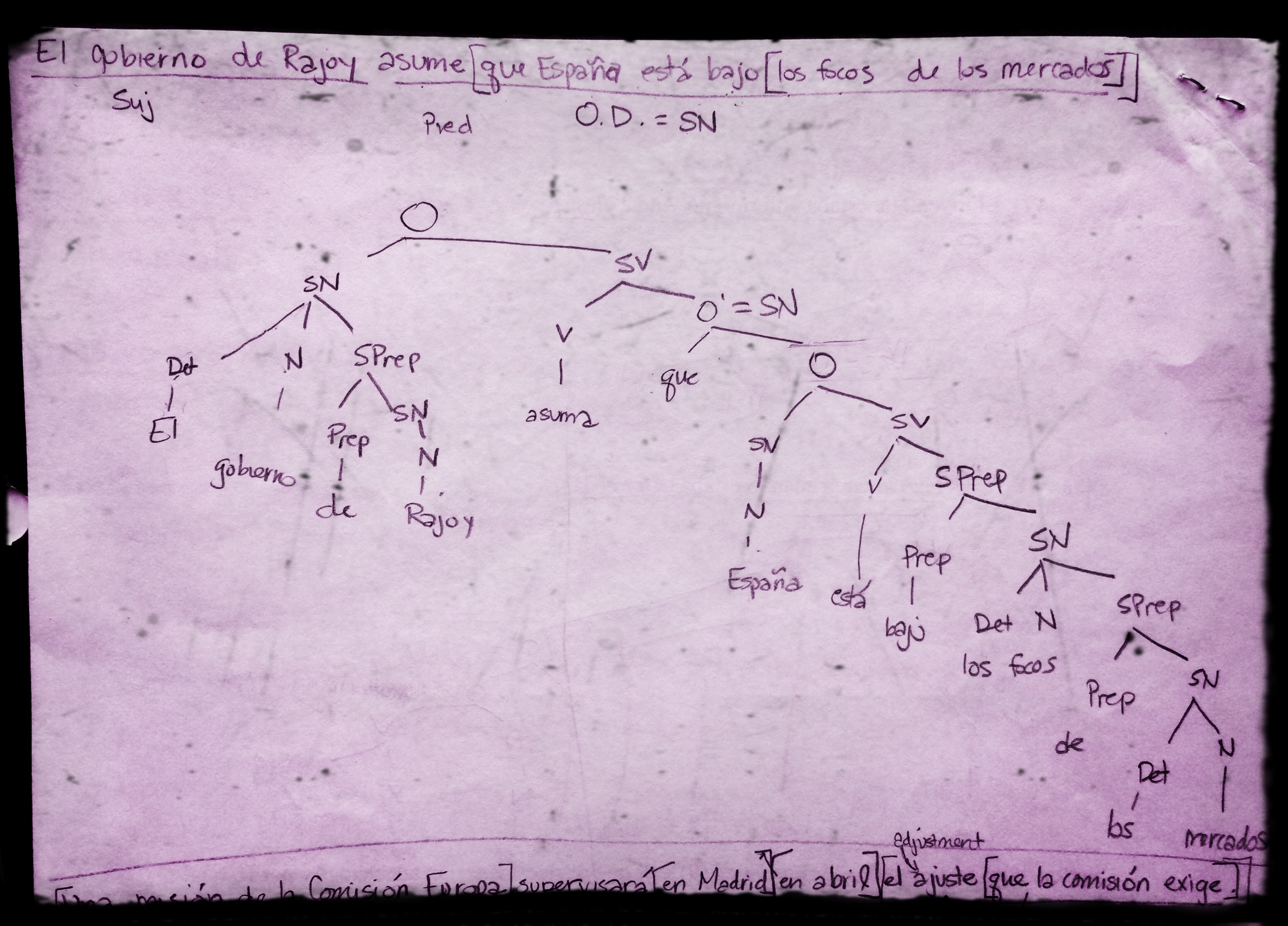
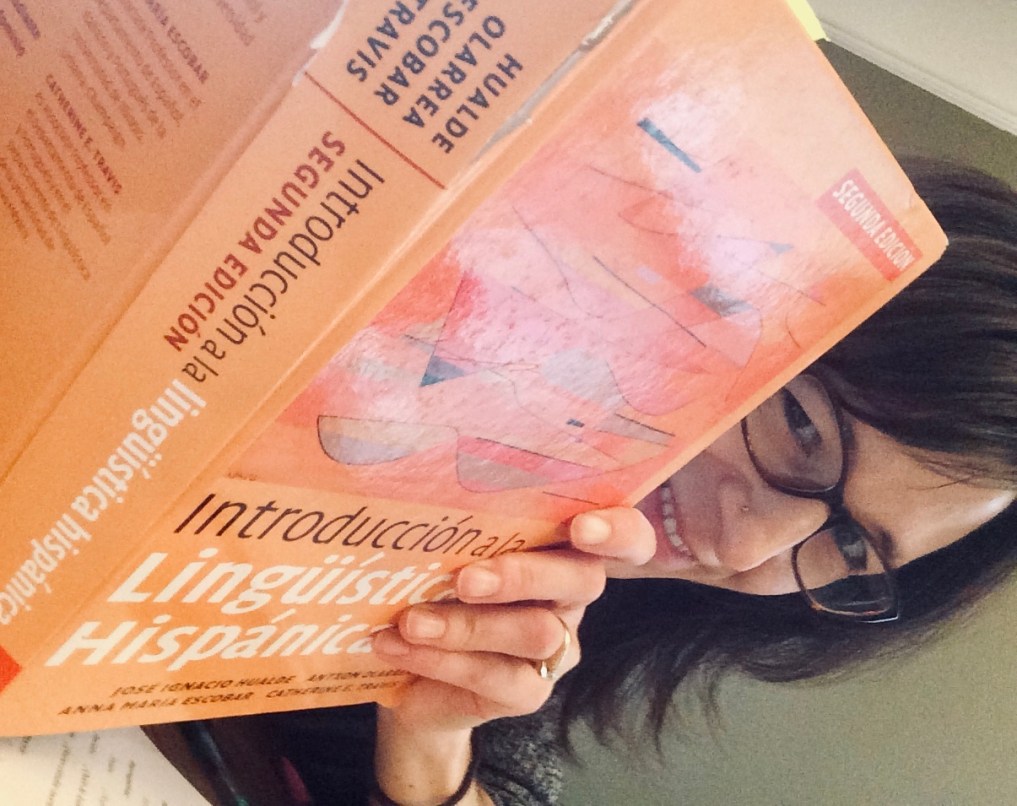
I buried my language shame and it lay dormant in me as a regular reminder of what I was lacking. Until, my mom encouraged me to study Spanish in college. I discovered that I excelled at it. I loved learning grammar so much that I went on to study linguistics. Through the study of other languages and cultures, God began to cultivate in me His love for all people.
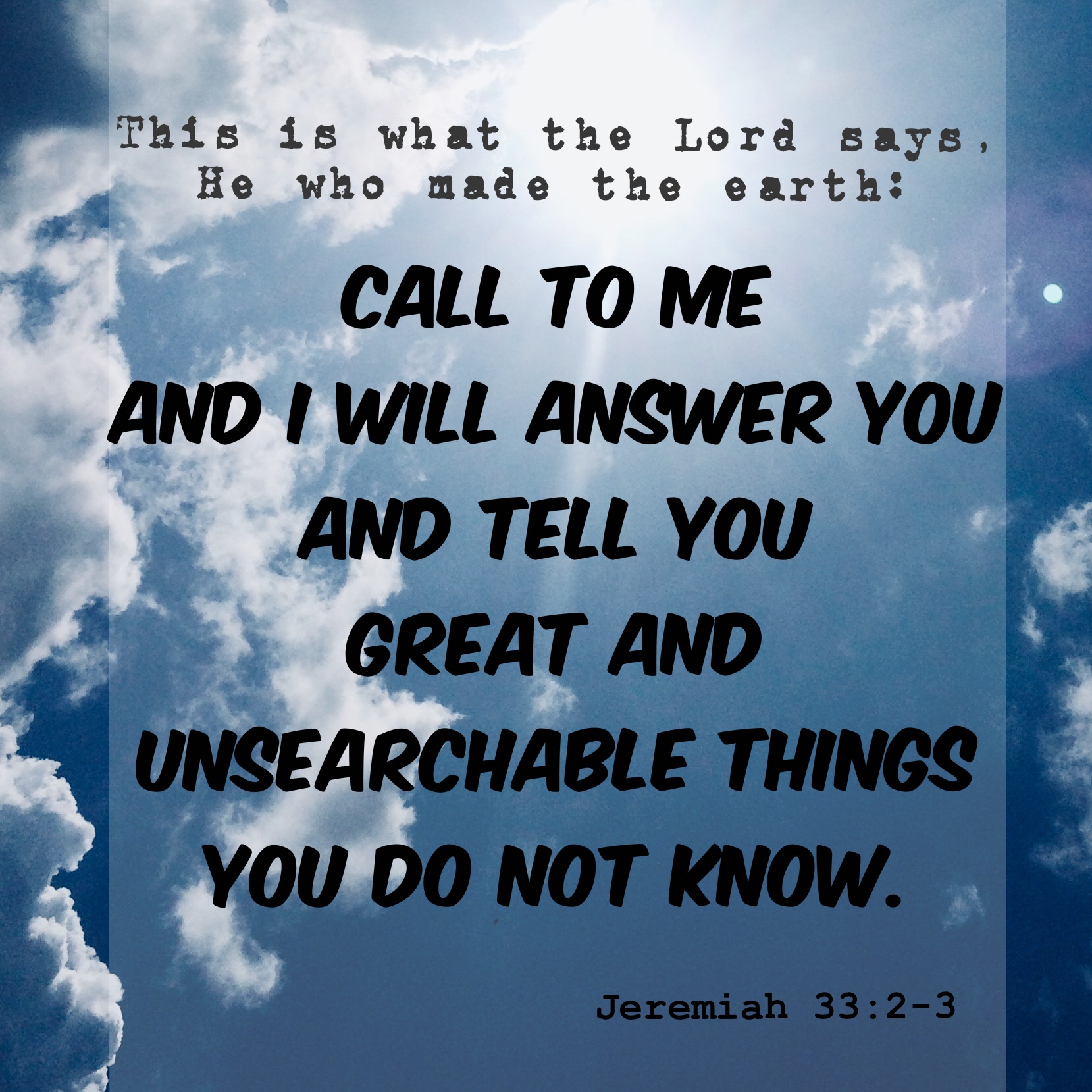
I take seriously Jesus’ value for all the nations… (Mt. 28:19)
In the Greek, all the nations—όλα τα έθνη—translates into every ethnic group. God cares about people flourishing within every ethnolinguistic group scattered around the globe.
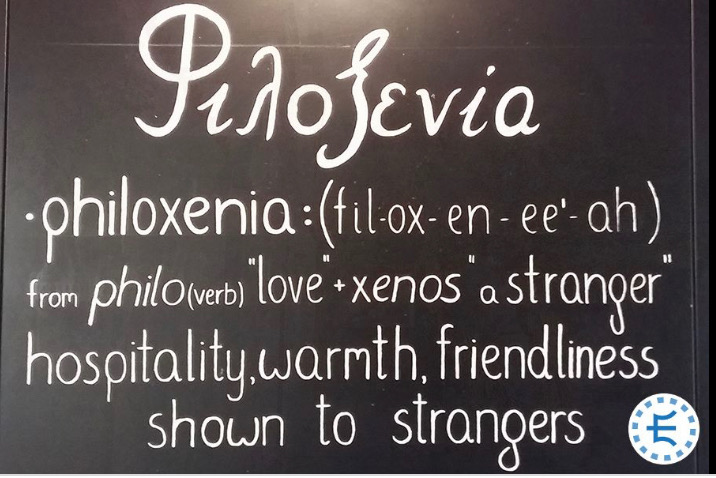
Embracing Philoxenia
Philoxenia—a Greek word that means a friend to the stranger. It embodies the ancient Greek tradition of welcoming guests with warmth, kindness and generosity.
I didn’t have to go far to discover a myriad of ethnic groups living in diaspora. After earning my bachelor’s degree in Spanish for Bilingual Education and then teaching English as a Second Language, my husband and I bought our first home in an Arabic-speaking community in Michigan. We embarked on learning spoken Lebanese Arabic in our neighborhood. Our three kids grew up with Arabic-speaking neighbors from Yemen, Lebanon, Iraq, Syria, and Palestine. My Arabic language skills got me through delightful tea times with neighbors—definitely more graciously than my Greek. My growing passion for sweet Middle Eastern mint tea set my culinary standards even higher.
Over the years, I’ve taught English to Arabic speakers, Spanish to English speakers, linguistics to all ages, and I’ve learned to compassionately coach others through language learning processes on the far side of the sea. My love for languages and engaging the people who speak them are intertwined at the roots. These combined passions germinated into a master’s degree in Language Learning & Linguistics. The language shame I had buried deep down began to sprout up with expanded and invigorated dignity.
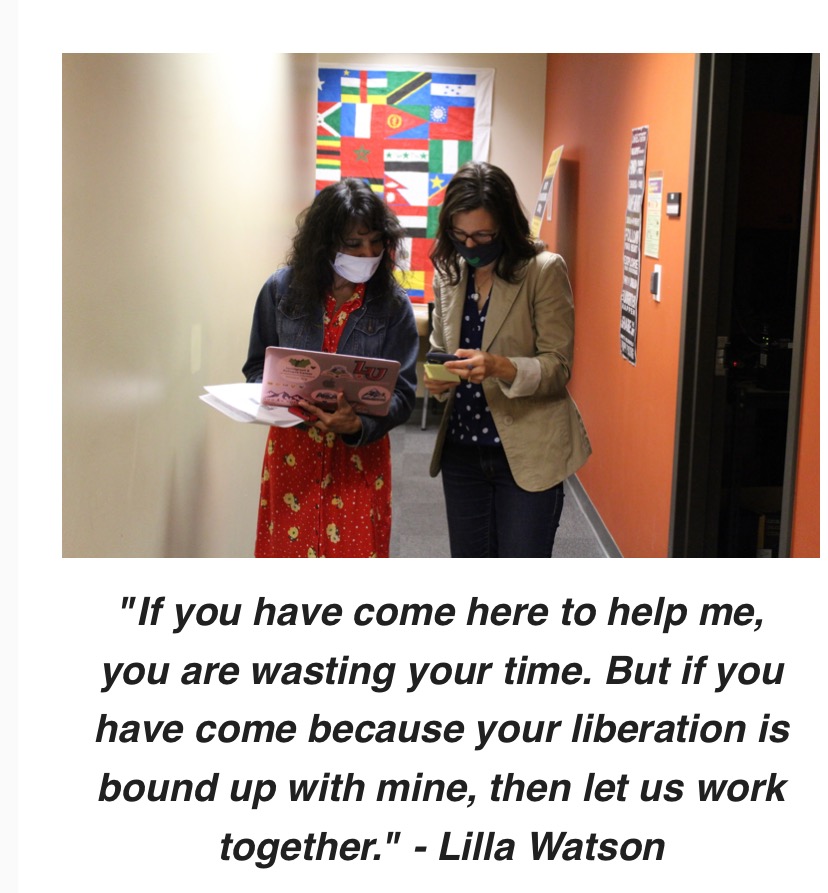
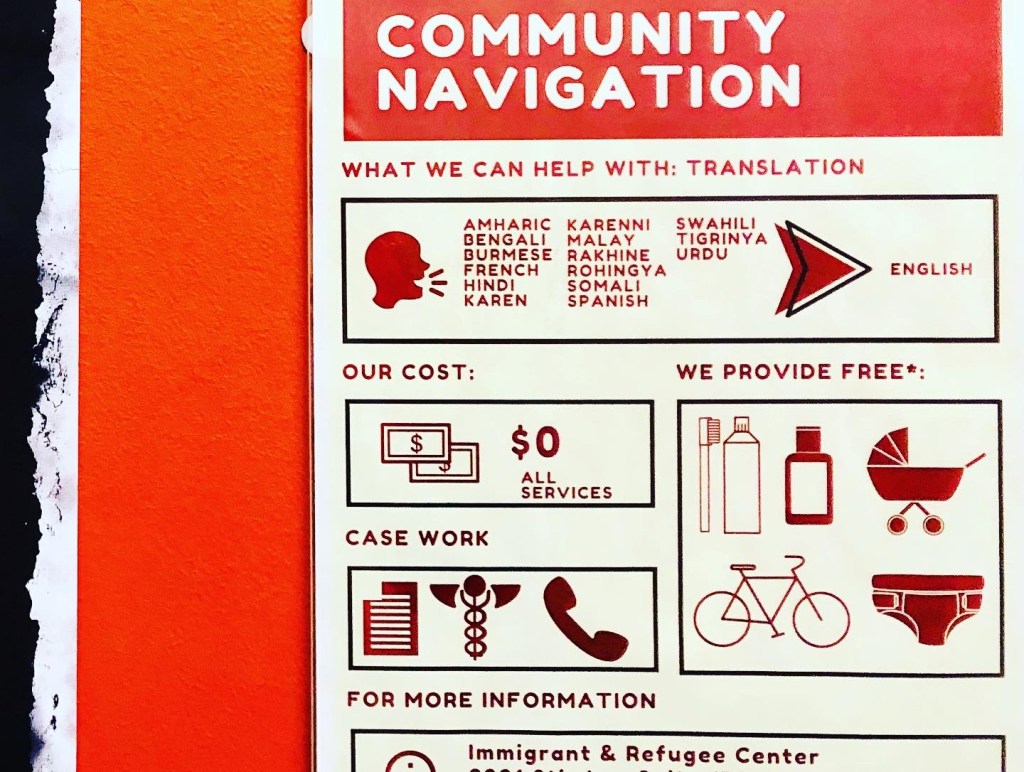
After 17 years in Michigan, we uprooted from our beloved Arabic-speaking diaspora community. Now, my family lives in a community where I interact with neighbors who speak up to 35 different languages at our local Immigrant and Refugee Center in Colorado. I connect with other Orthodox Christians through shared holidays and the splendor of Orthodox worship chanted in Tigrinya, Arabic, Amharic, Macedonian and Greek.
A Beautiful Belonging in the Body of Christ
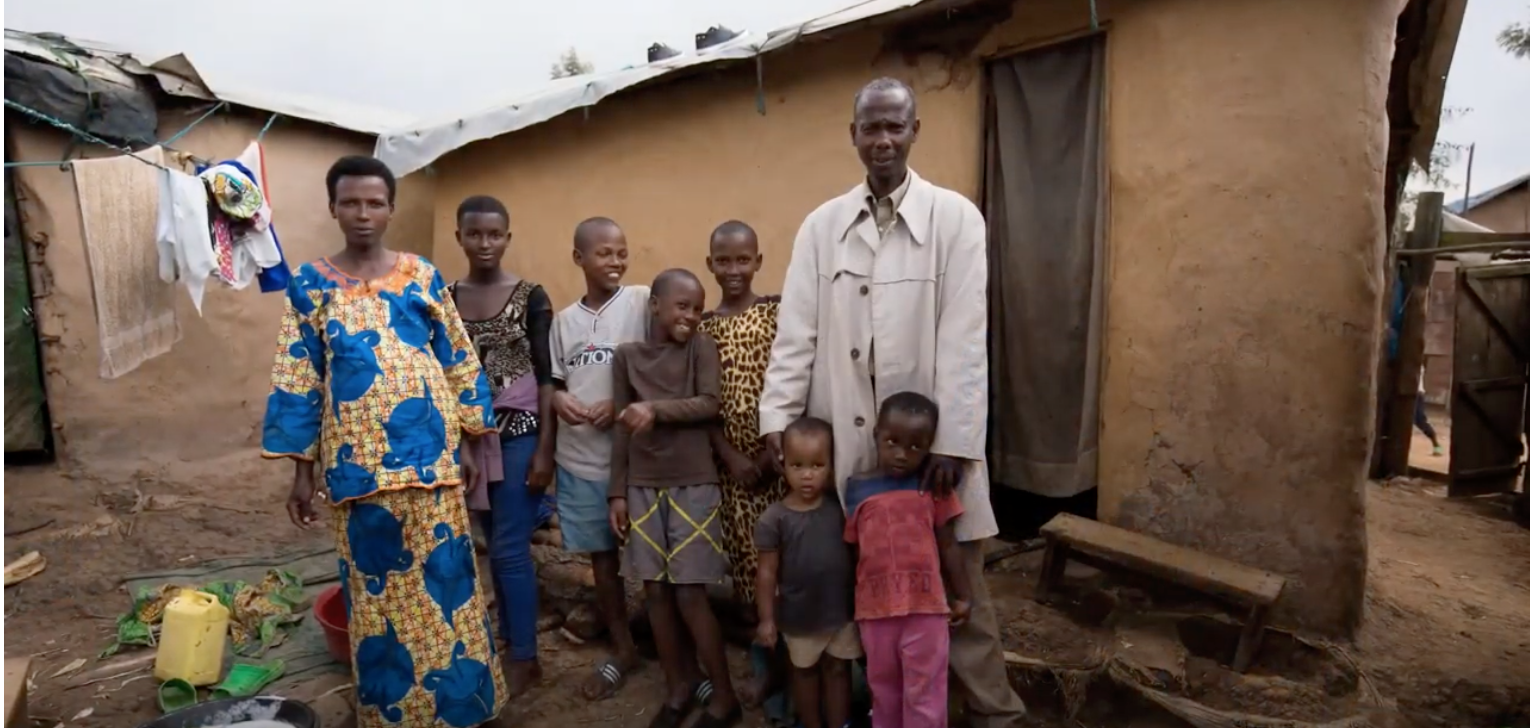
Recently, I sat down with a young Kinyarwanda-speaking teen in my community to talk about her immigrant church experience and the struggles she faces living in two cultures. I explained that, often times, an immigrant church tries so hard to do it all—to be a center for:
language,
cultural identity,
faith, and community.
But sometimes, kids who are cultivated in diaspora don’t learn their heritage language like those who immigrated, but they can still grow in faith and community connections. As I tenderly explained these things to my young friend, I found myself welling up with tears. Was I talking about her little brother who struggles with understanding the Bible in Kinyarwanda? Or was I feeling the deep-seeded shame of my own lack of heritage language skills? Though we come from different language groups, faith expressions, and continents, we share a beautiful belonging in the Body of Christ.
The Spectrum of Greek-ness
Where am I on the spectrum of Greekness? I eagerly embrace the invitations of spontaneous Greek dancing in the living room—in sweats, among cousins. I am teaching my kids the deeply rooted values of:
good food,
good company,
and good conversations,
as my parents taught me. I embrace my fierce passion for life and feel held back if I can’t talk with my hands. I love language. I love learning. I am passionate about human flourishing and pray fervently that all ethnolinguistic groups would have access to Good News in the languages they value most.
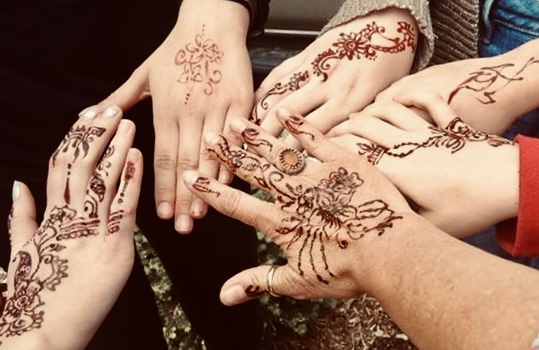
The buried seed of language shame from my youth has grown into a complex root system cultivated in diaspora. I find I belong best in diverse communities where everyone has a different food to share and language to express. We welcome each other with our unique expressions of philoxenia. Those sweet spaces bring me joy. I not only crave sweet Middle Eastern tea, but I also regularly hunger for Eritrean hembasha bread and Rohingya-style spicy stir-fried noodles. I can’t duplicate these dishes, I just wait for invitations to share them with neighbors—appreciating good food and good conversations around language, culture, and life shared in community. It’s part of who I am.
My name is Georgia. In Greek: Γεωργία—from the root—geo—meaning earth. Georgia is one who cultivates the earth—a Sower of Seeds.
I am Greek-rooted and flourishing in diaspora.
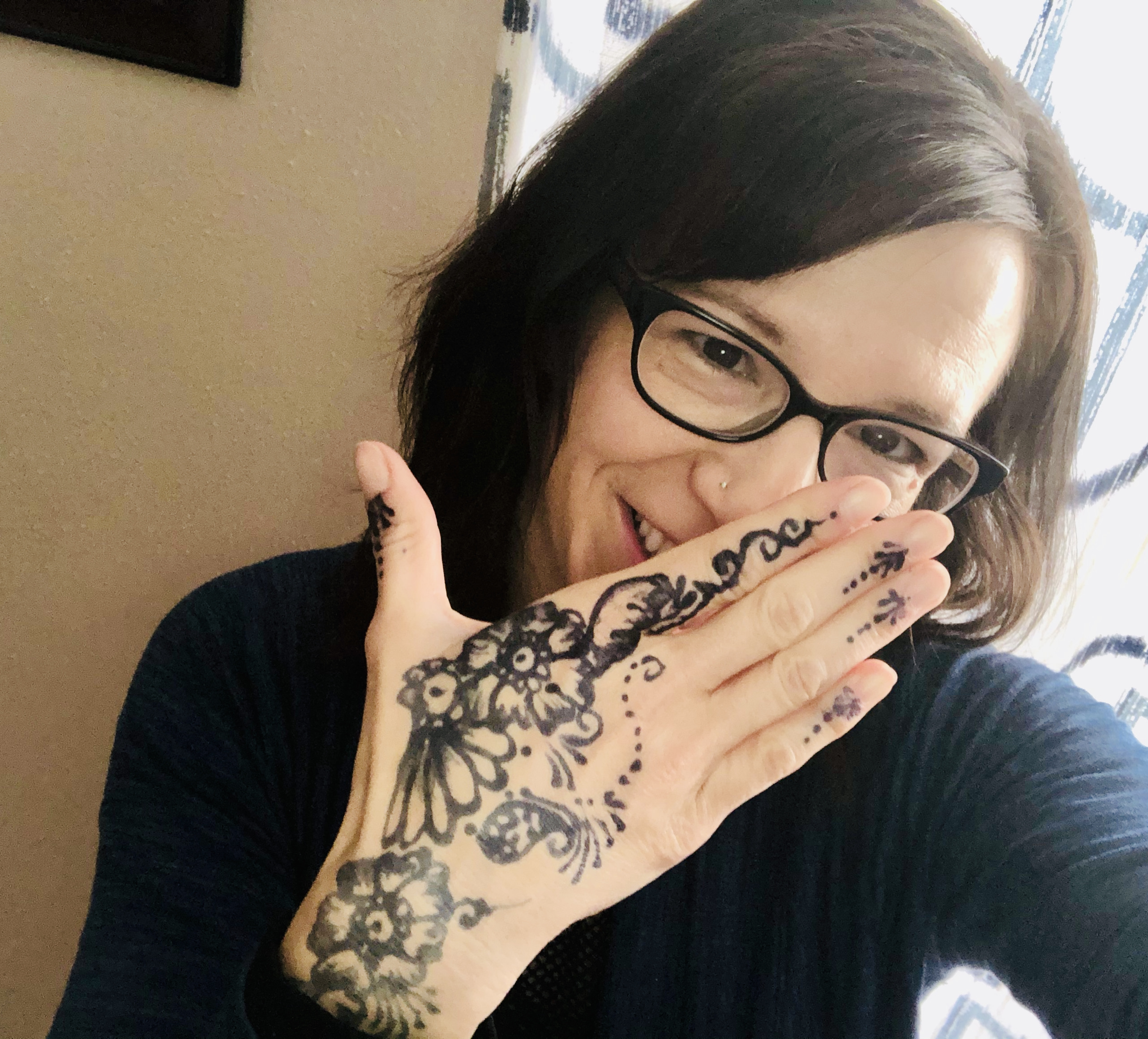
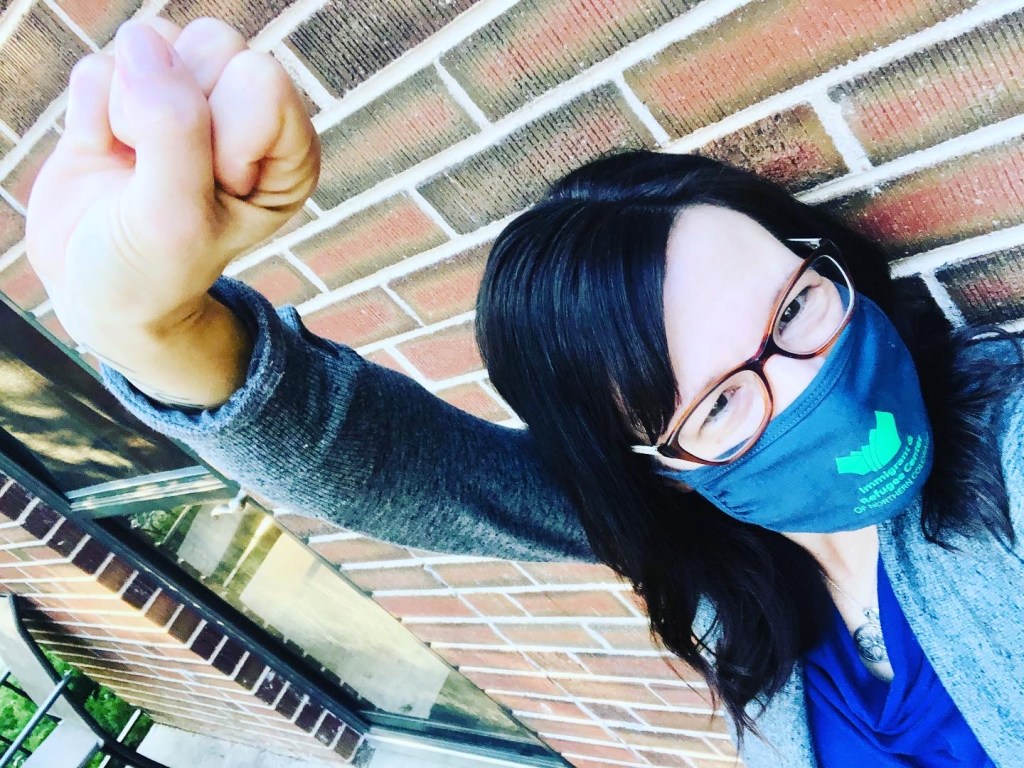
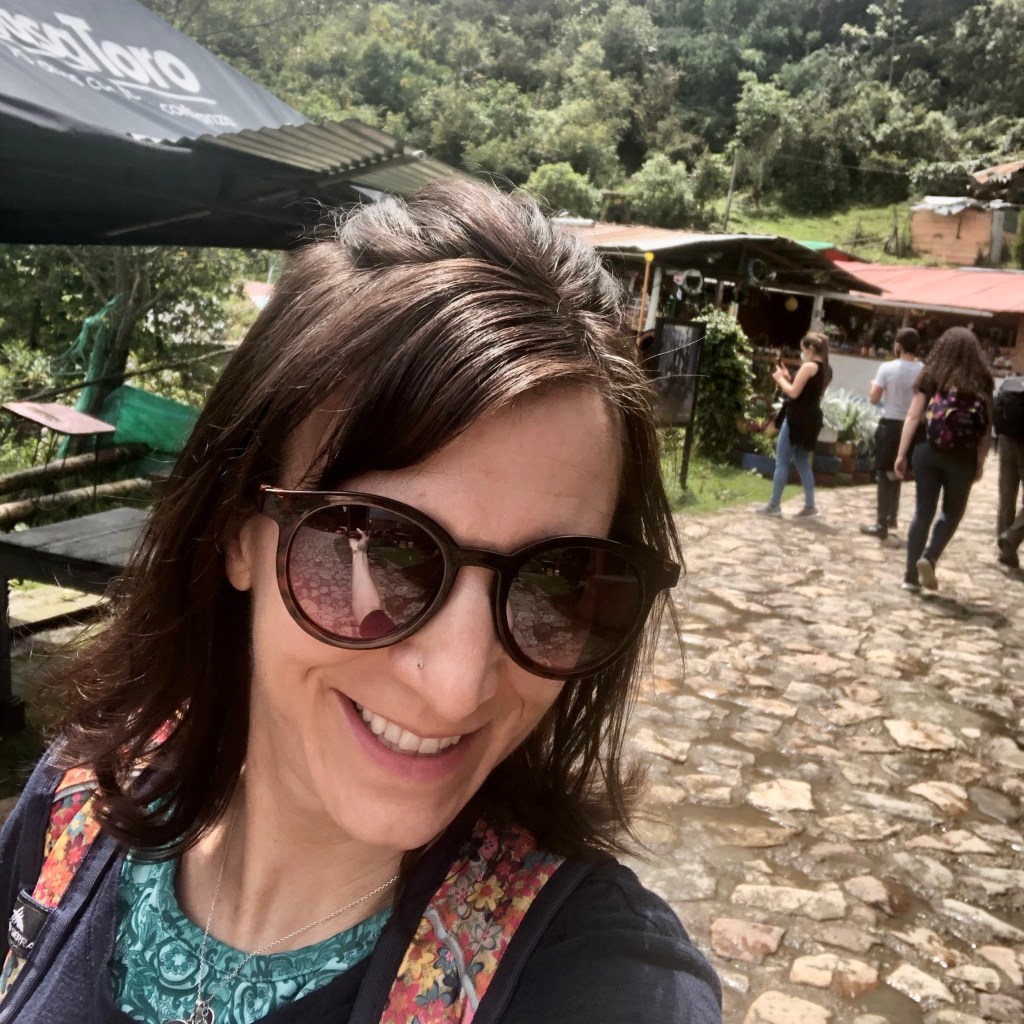
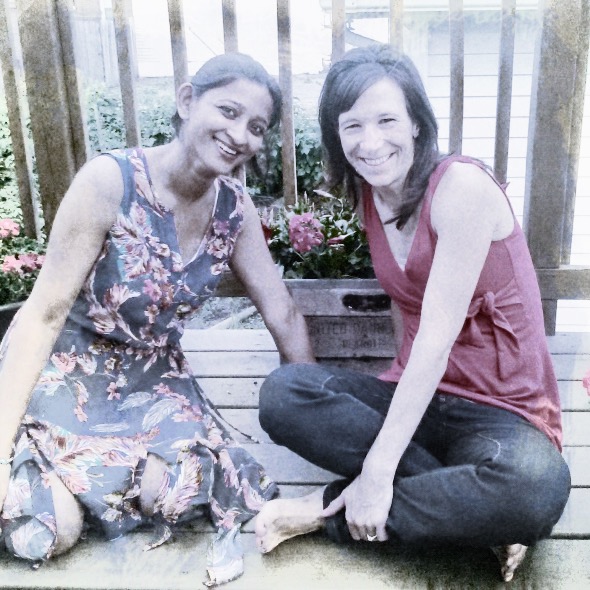
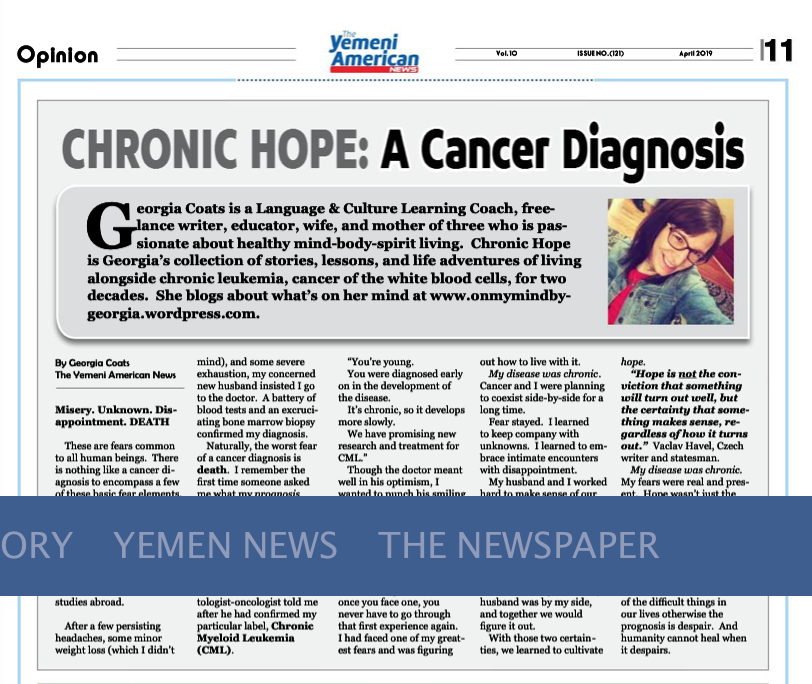
Georgia and her husband have been serving with SIL Global for 27 years. They work with global Scripture Engagement strategies so that local language communities can flourish. Georgia currently serves as a Language & Culture Empowerment Specialist with Global Diaspora Services, and in her neighborhood.






 On My Mind